Introduction
Few home décor pieces evoke luxury, artistry, and tradition like Persian rugs. Handwoven masterpieces with centuries of cultural heritage, these rugs have adorned royal palaces, grand mosques, and modern homes alike. Known for their rich patterns, deep symbolism, and unparalleled craftsmanship, Persian rugs are more than floor coverings — they are timeless works of art that bring warmth, sophistication, and identity to any living space.
In today’s interior design world, Persian rugs have made a powerful comeback. From minimalist apartments in New York to elegant homes in Dubai or Lahore, homeowners are rediscovering the value of authentic Persian rugs for both beauty and long-lasting quality.
In this comprehensive guide by Cozy Nest Decor, we’ll explore everything you need to know — from the origins and types of Persian rugs to expert buying advice, care tips, and styling ideas for modern homes.
What Are Persian Rugs?
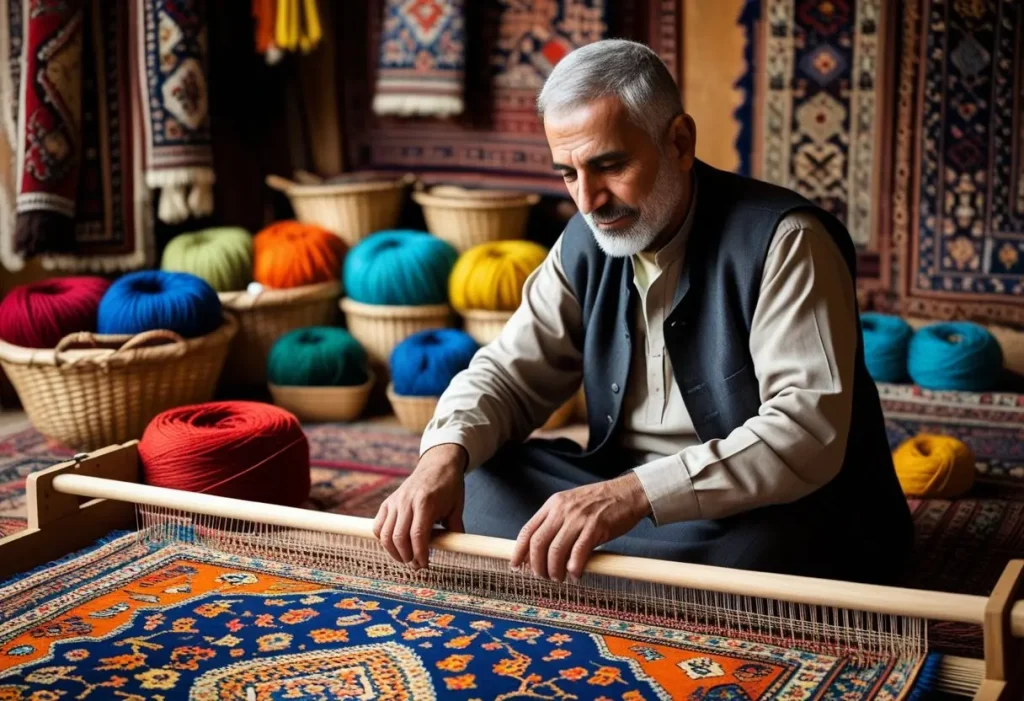
Persian rugs, also known as Iranian carpets, are handwoven textiles made in Iran (historically known as Persia). These rugs are crafted using intricate knotting techniques passed down through generations. Each rug tells a story — through its patterns, symbols, and colors — reflecting the culture of the region where it was made.
A Persian rug typically features:
- Hand-knotted wool or silk construction
- Complex floral or geometric designs
- Natural dyes derived from plants, minerals, or insects
- A signature or pattern unique to its origin city or tribe
Unlike machine-made carpets, Persian rugs are works of craftsmanship that can last for decades — even centuries — when cared for properly.
A Brief History of Persian Rugs
The history of Persian rugs stretches back over 2,500 years, making them one of the oldest art forms in human history. Archaeological evidence from ancient Persia reveals that weaving was an essential cultural practice even before 500 B.C.
Key Historical Eras:
- Achaemenid Empire (550–330 B.C.):
Early weaving traditions began. Rugs were symbols of wealth and hospitality. - Sassanian Period (224–651 A.D.):
The legendary “Spring of Khosrow” carpet, said to depict a Persian garden, was woven during this era. - Safavid Dynasty (1501–1736):
The golden age of Persian carpet weaving. Famous workshops in Isfahan, Kashan, and Tabriz produced masterpieces still displayed in world museums today. - Modern Iran (20th–21st Century):
Persian rugs became global export icons, combining ancient craftsmanship with evolving design trends.
Today, Persian rugs represent a living legacy — blending art, culture, and functionality in every thread.
Types of Persian Rugs
Each Persian rug type is defined by its region of origin, weaving technique, and design style. Below are the most recognized varieties:
1. Tabriz Rugs
- Origin: Tabriz, northwestern Iran
- Features: Dense knots, floral medallion patterns, rich reds and blues
- Material: Wool and silk blend
- Ideal for: Formal living rooms
2. Isfahan Rugs
- Origin: Central Iran
- Features: Symmetrical patterns, silk warp, and precise detailing
- Known for their luxurious appeal and museum-level artistry.
3. Kashan Rugs
- Origin: Kashan city
- Features: Central medallion, ivory backgrounds, and intricate borders
- Great choice for elegant hallways or lounges.
4. Qom (Qum) Rugs
- Origin: Qom city
- Features: High knot density, pure silk, luminous sheen
- Often smaller in size but extraordinarily detailed.
5. Heriz Rugs
- Origin: Northwestern Iran
- Features: Bold geometric patterns, thick wool pile, rustic character
- Excellent for casual or bohemian interiors.
6. Kerman Rugs
- Origin: Southeastern Iran
- Features: Soft pastel colors, floral vines, and fine weaving
- Ideal for classical or French-style homes.
7. Nain Rugs
- Origin: Near Isfahan
- Features: Cream-blue color palette, high silk content
- Perfect blend of elegance and modern simplicity.
Each type of Persian rug holds its own charm, making it possible for homeowners to find one that complements their décor style — from traditional to modern minimalist.
Materials Used in Persian Rugs
The material determines the texture, durability, and price of a Persian rug.
- Wool: The most common and durable material; soft, warm, and naturally stain-resistant.
- Silk: Luxurious, delicate, and highly valuable. Adds luster and fine detailing.
- Cotton: Often used for warp and weft foundation threads.
- Natural Dyes: Derived from plants like indigo, madder root, and pomegranate rind, giving authentic Persian rugs their rich and lasting hues.
How to Choose the Perfect Persian Rug
Choosing a Persian rug requires understanding your space, style, and budget.
Key Factors to Consider:
- Size & Proportion:
Measure your room. For a living room, choose a rug large enough to fit under furniture legs. - Color Scheme:
Match the rug’s dominant colors to your furniture and walls. - Pattern:
Bold medallions suit large spaces; small repeating patterns fit compact rooms. - Material:
Wool for durability, silk for luxury. - Authenticity:
Check for hand-knotting, uneven fringe, and natural dye variations. - Budget:
Authentic Persian rugs vary widely in price — from a few hundred dollars to over $20,000 depending on craftsmanship.
Caring for Your Persian Rug
To preserve your rug’s beauty for decades:
- Vacuum gently every week (without the beater bar).
- Rotate the rug every six months to prevent uneven fading.
- Avoid direct sunlight for long hours.
- Use rug pads to protect from slipping and wear.
- Professional cleaning every 2–3 years using mild detergents only.
Avoid:
Harsh chemicals, soaking, or machine washing. Persian rugs are hand-knotted art pieces that deserve delicate care.
Styling Ideas for Modern Homes
Persian rugs are incredibly versatile. Here’s how you can style them across various design themes:
Minimalist Homes
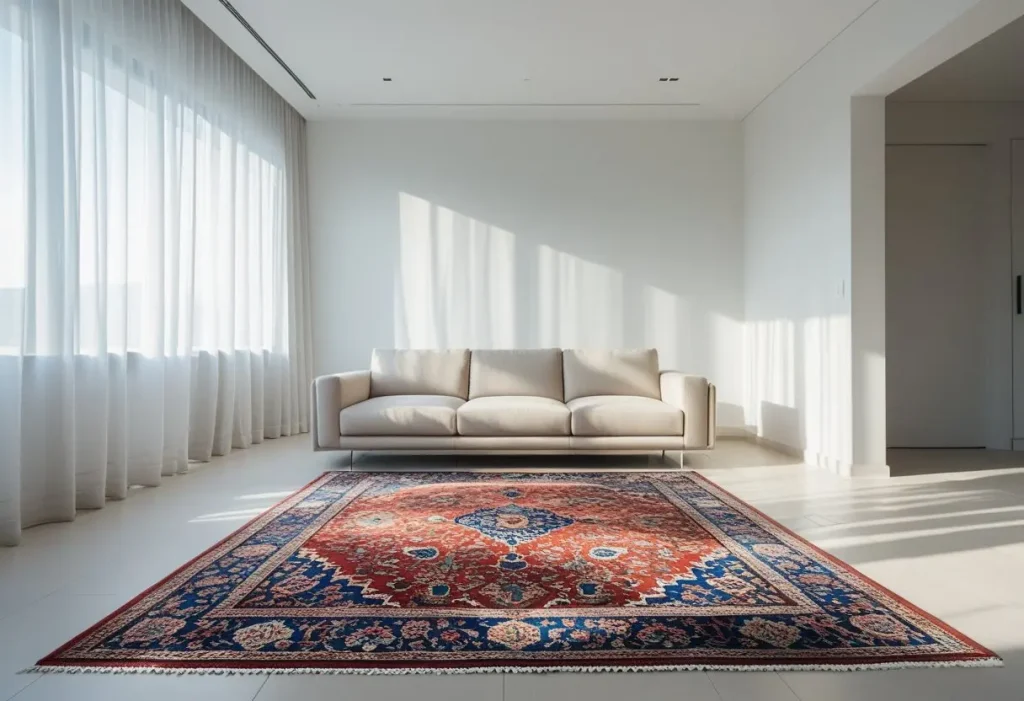
Use a neutral Persian rug with soft beige or ivory tones to anchor a clean space.
Bohemian Interiors
Layer multiple small Persian rugs for a colorful, eclectic vibe.
Contemporary Living Rooms
Choose large geometric Heriz or Nain rugs for visual drama.
Classic Interiors
Opt for Kashan or Isfahan rugs with traditional medallion motifs.
Bedroom
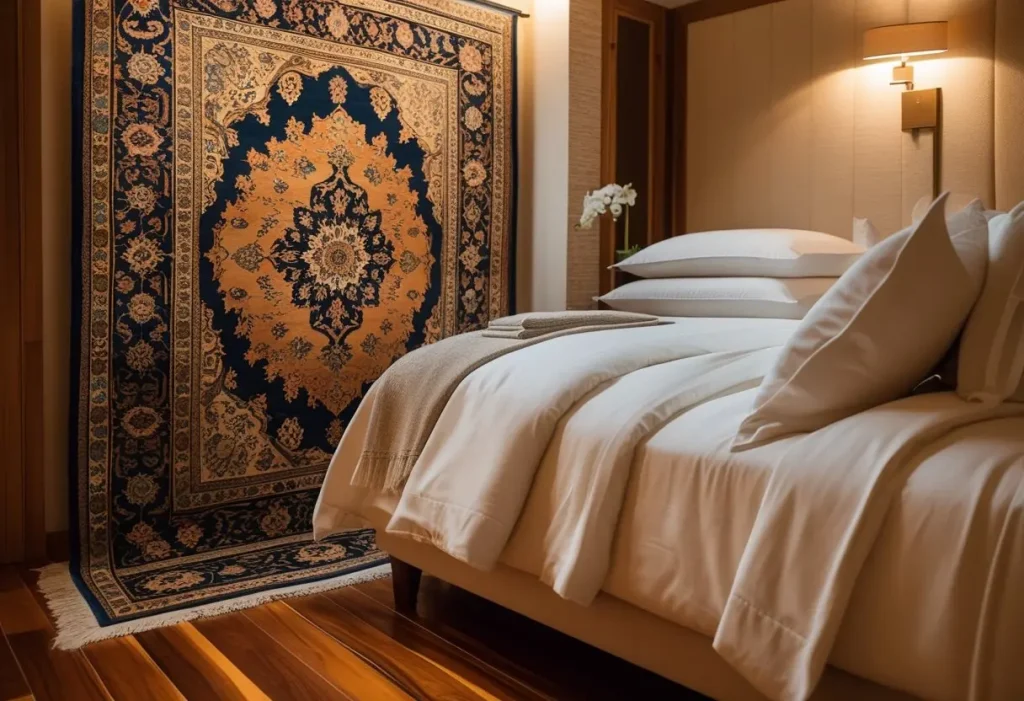
Add a silk Qom rug beside your bed for luxury underfoot.
Office or Study
A small Kerman rug enhances focus while adding elegance.
Buying Guide for Persian Rugs
When investing in a Persian rug, knowledge is key.
1. Determine Authenticity
Authentic Persian rugs are handwoven in Iran, not machine-made. Look for:
- Uneven fringes (a sign of handcrafting)
- Slight imperfections in design
- Soft, warm touch (wool/silk blend)
2. Check Knot Density
The higher the KPSI (knots per square inch), the finer the rug. Luxury rugs often exceed 300 KPSI.
3. Understand Pricing
Prices depend on:
- Material (silk > wool)
- Size
- Knot density
- Age (antique rugs are more valuable)
4. Verify Seller Credibility
Buy only from reputed dealers or certified online platforms. (Link suggestion: Create an internal link to a Cozy Nest Decor buying guide post, e.g., “How to Identify Authentic Home Decor Products”).
5. Maintenance Tips
Always ask your seller for care instructions specific to the material.
Common Mistakes When Buying Persian Rugs
Falling for Machine-Made Rugs Sold as “Handmade.”
Ignoring the Knot Density or Origin Label.
Choosing the Wrong Size for the Room.
Placing Rugs in Humid or High-Traffic Areas Without Pads.
Neglecting Maintenance After Purchase.
Avoiding these errors ensures your investment lasts for generations.
Benefits of Owning a Persian Rug
Longevity: With proper care, they can last 100+ years.
Artistic Value: Each rug is unique and collectible.
Cultural Heritage: Own a piece of Persian history.
Comfort: Natural fibers provide warmth and sound insulation.
Eco-Friendly: Made from organic materials and dyes.
Modern Trends in Persian Rugs
Persian rugs have adapted to contemporary décor while retaining their cultural identity. Current global trends include:
Muted palettes: Beige, cream, and faded red tones for minimalist interiors.
Abstract reinterpretations: Fusion of traditional motifs with modern art.
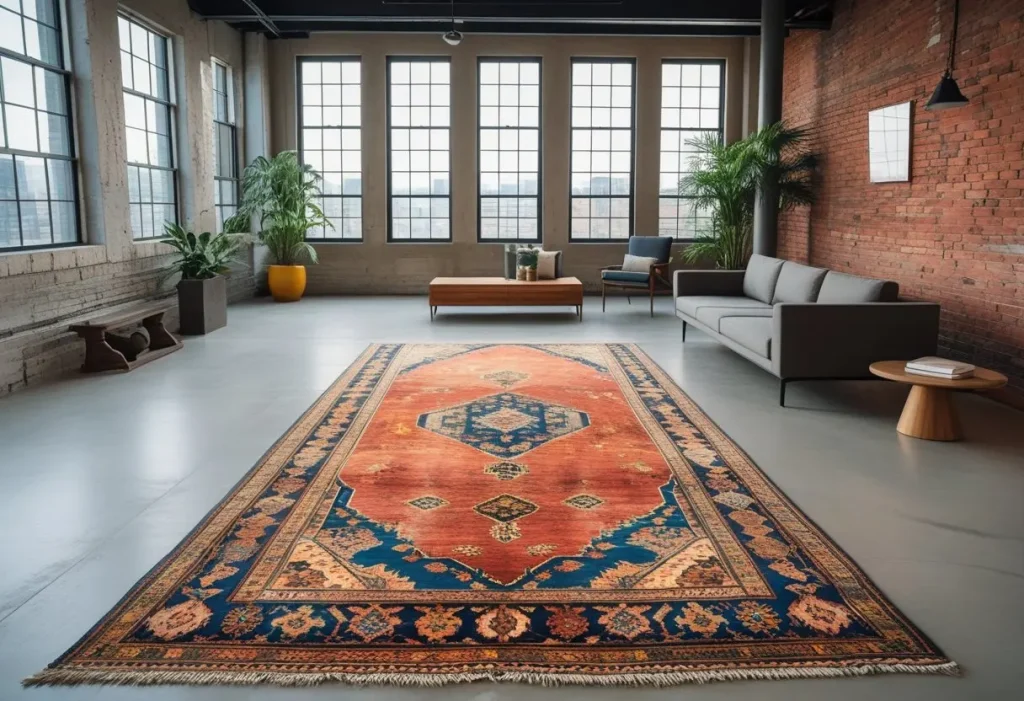
Vintage revival: Distressed Persian rugs add rustic charm.
Sustainable craftsmanship: Eco-conscious buyers prefer naturally dyed, handmade options.
External Sources for Reference
- Victoria and Albert Museum – Persian Carpets Collection
- The Carpet Museum of Iran
- Encyclopaedia Iranica – Persian Carpets
Internal Linking Suggestions (for Cozy Nest Decor)
- Link “rug care” to an article on “DIY Cleaning Tips for Home Decor Items.”
- Link “modern home décor” to your “Home Decor Ideas” category.
- Link “eco-friendly rugs” to a future post about sustainable materials.
Frequently Asked Questions (FAQs)
1. What makes Persian rugs unique?
Their handwoven craftsmanship, natural dyes, and symbolic designs make Persian rugs timeless art pieces.
2. How can I tell if a Persian rug is authentic?
Look for hand-knotted backs, natural dye variations, and irregular patterns — signs of authentic craftsmanship.
3. What size Persian rug should I buy for a living room?
Choose a rug that fits under at least the front legs of your sofa and chairs for balanced proportions.
4. How do I clean a Persian rug at home?
Vacuum lightly and spot-clean with mild soap and cold water. Avoid harsh chemicals.
5. Are Persian rugs worth the price?
Yes — they retain value, often appreciate over time, and elevate any home interior.
6. Can Persian rugs fit in modern homes?
Absolutely. Their versatility makes them perfect for both classic and minimalist spaces.
7. Where can I buy Persian rugs online?
Purchase from certified global sellers or local décor stores. (Include a Cozy Nest Decor affiliate or trusted partner link.)
Conclusion
Persian rugs are more than décor — they are heirlooms that connect us to a rich heritage of art and craftsmanship. Whether displayed in a grand living room or a cozy bedroom, they elevate the beauty and warmth of any home.
At Cozy Nest Decor, we celebrate timeless décor that bridges tradition and modern living. Explore our guides, tips, and inspiration to choose the perfect Persian rug that fits your lifestyle and aesthetic.
Embrace the legacy. Adorn your home. Live beautifully — with Persian rugs.
Image Metadata Summary
| Image Title | Description | Caption | ALT Text |
|---|---|---|---|
| Modern Living Room with Persian Rug | Elegant living room showcasing how a Persian rug complements contemporary furniture. | Modern charm meets Persian tradition. | Persian rug in a modern living room setup |
| Bedroom with Persian Rug | Serene bedroom scene featuring a silk Persian rug adding luxury and warmth. | Start your day stepping on art. | Silk Persian rug in bedroom |
| Persian Rug Artisan at Work | Close-up of an Iranian weaver creating a Persian rug by hand. | Centuries of tradition in every knot. | Persian rug craftsman hand-weaving carpet |
| Vintage Persian Rug in Modern Loft | Stylish home interior showing the timeless adaptability of Persian rugs. | Tradition meets trend. | Vintage Persian rug in modern loft |
Persian Rugs – The Ultimate Symbol of Luxury, Art, and Timeless Design
1. Authentic Persian rugs are among the most exquisite and valuable home décor pieces in the world. Each handwoven Iranian carpet tells a timeless story of craftsmanship, culture, and artistry passed down through generations. Whether placed in a living room, bedroom, or hallway, these traditional woven rugs instantly add elegance, comfort, and warmth to any space. These masterpieces have long been the centerpiece of interior design, admired globally for their rich color palettes, intricate motifs, and exceptional durability.
2. The art of making Oriental rugs from Persia originated in ancient Iran, where expert weavers used natural materials like wool and silk combined with plant-based dyes to create breathtaking color blends. Genuine hand-knotted carpets from Persia are known for their strength, texture, and individuality. No two pieces are ever the same, which makes each rug a collector’s treasure admired across the world.
3. Modern homeowners continue to favor Persian-inspired rugs because they blend beautifully with both classic and contemporary interiors. From luxurious silk floor coverings for formal lounges to durable wool carpets for everyday use, there’s a design for every lifestyle. Their unmatched versatility allows them to harmonize with modern furniture while preserving the timeless artistry of ancient craftsmanship.
4. One of the main reasons authentic Persian weaves remain so desirable is their unbeatable quality. A genuine hand-knotted rug can easily last a century or more with proper care. High knot density, natural fibers, and expert weaving techniques ensure long life and enduring beauty. Unlike synthetic carpets, these traditional floor arts become even softer and richer with age — a hallmark of true luxury.
5. There are many kinds of Persian carpets named after their region of origin, such as Tabriz, Isfahan, Kashan, Nain, and Qom. Each region showcases unique color tones and motifs that reflect its local culture. Tabriz rugs feature elegant floral designs, while Heriz pieces are admired for bold geometric patterns. Collectors and interior designers worldwide seek these handwoven wonders for their artistic and cultural depth.
6. When buying Iranian handwoven rugs, authenticity should be your first priority. Genuine pieces are hand-knotted, not machine-made. Look for natural dye variations, soft textures, and slightly uneven back patterns — these are signs of originality. It’s also essential to consider rug size, material, and design harmony. Trusted décor sources like Cozy Nest Decor offer detailed buying guides that help you choose the perfect carpet for your home.
7. High-quality Oriental carpets are not just decorations; they are investments that appreciate over time. Many antique Persian pieces have been auctioned globally for exceptional prices. Owning one is like keeping a fragment of history alive within your home. Their timeless appeal and durability make them a wise choice for art lovers who appreciate heritage and craftsmanship.
8. Maintenance of Persian-style area rugs is simple yet crucial. Regular vacuuming, keeping them away from direct sunlight, and occasional professional washing help maintain their vibrant hues. Rugs made from natural wool are inherently stain-resistant and dust-repellent. Proper care guarantees that your luxury handwoven carpet remains as magnificent decades later as the day it entered your home.
9. In today’s décor trends, vintage Persian rugs are experiencing a grand revival. Interior experts now combine faded, rustic patterns with minimalist furniture to create a sophisticated contrast. Soft-toned rugs with worn designs are especially popular in contemporary homes across Pakistan and beyond. They bring warmth, cultural richness, and character to every living space, proving that these creations are truly timeless.
10. In conclusion, Persian rugs represent more than floor décor — they are living works of art symbolizing history, creativity, and grace. Whether you’re designing a cozy studio or renovating a grand villa, these elegant carpets instantly transform any environment into a luxurious retreat. Discover expert tips, care advice, and style inspiration on Cozy Nest Decor — your trusted source for global décor trends and Persian rug wisdom.
The Timeless Appeal of Modern Persian Rugs
Modern Persian-inspired carpets combine centuries-old craftsmanship with modern design aesthetics. Today’s interior stylists admire these rugs for their adaptability and elegance. Neutral-toned versions with subtly faded motifs fit perfectly into minimalist décor themes, bringing depth and calmness to living spaces.
Whether you select a bold Heriz rug or a soft Kashan weave, these Oriental masterpieces enrich every interior. They serve as artistic focal points while providing warmth and comfort. Owning a modern Persian rug means blending tradition with contemporary living — where elegance meets everyday ease.
Affordable Persian Rugs for Every Home
Many people assume Persian carpets are reserved for luxury homes, but that’s no longer true. Affordable handwoven rugs made from premium wool and natural dyes are now widely available. These budget-friendly Persian designs maintain authentic craftsmanship and aesthetic charm without the high cost.
Homeowners can easily find durable wool rugs that align with both décor preferences and budgets. Whether you’re decorating a cozy apartment or upgrading a home office, an affordable Oriental rug instantly enhances your surroundings. By choosing genuine handwoven pieces, you’re bringing heritage, beauty, and timeless elegance into your daily life.