Uncover the art of finding, restoring, and styling one-of-a-kind architectural treasures to create a home rich in history and character.
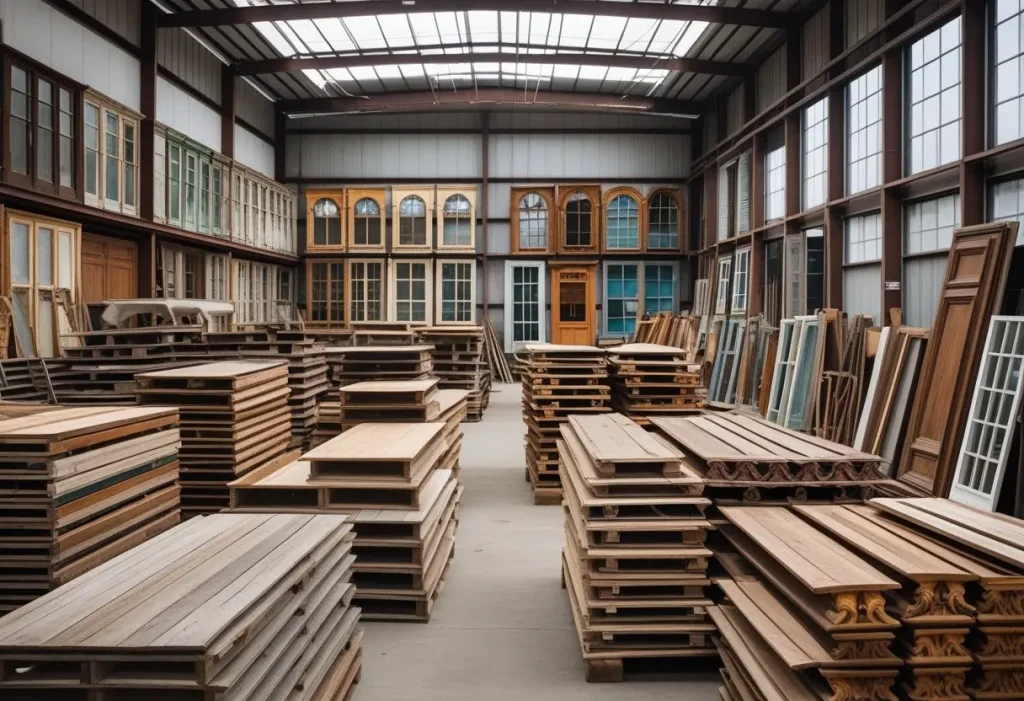
Imagine your home not just as a collection of rooms, but as a living gallery of history. Where your fireplace mantel whispers tales of a century-old library, the glass in your cabinet doors once sparkled in a factory window, and the heart pine of your floorboards was hewn from virgin forests. This is the magic of architectural salvage vintage home decor. It’s a design philosophy that moves beyond mere shopping to embrace treasure hunting, storytelling, and sustainable style. By integrating rescued architectural elements, you infuse your space with soul, craftsmanship, and a unique character that no big-box store can replicate. This guide is your map to that world, offering expert knowledge to confidently source, restore, and style these irreplaceable pieces.
What is Architectural Salvage and Why Does It Matter?
At its core, architectural salvage involves the careful deconstruction and preservation of materials and fixtures from old buildings slated for renovation or demolition. Unlike simple secondhand finds, architectural salvage represents the functional and ornamental components that gave a structure its identity: doors, windows, mantels, hardware, tile, lumber, and stained glass.
Choosing architectural salvage vintage home decor is a decision rich with benefits. First, it is a profoundly sustainable practice. Reclaiming materials diverts immense waste from landfills—construction debris accounts for a significant portion of landfill volume globally. Second, it grants access to unmatched quality. Old-growth wood, solid brass hardware, and hand-forged iron possess a durability and patina that modern, mass-produced alternatives often lack. Finally, it creates authentic narrative. Each piece carries the marks of its past—slight wear, a unique glaze, a carpenter’s tool marks—telling a story that becomes part of your home’s own architectural salvage vintage home decor.
A Treasure Hunter’s Roadmap: Where to Find Architectural Salvage
Knowing where to look is half the battle. The hunt for the perfect piece can lead you to a variety of sources, each with its own character.
Dedicated Architectural Salvage Yards
These are the premier destinations for serious salvagers. Yards like Habitat for Humanity ReStores (nationwide) or large, specialized operations offer vast, organized inventories sorted by type. You’ll find everything from bricks and beams to pedestal sinks and newel posts. The prices are often fair, and the staff is usually knowledgeable architectural salvage vintage home decor.
Online Marketplaces and Auctions
The digital age has transformed salvage hunting. Platforms like Facebook Marketplace, Craigslist, and eBay can yield incredible local finds, often from homeowners or small-scale contractors. For rarer items, specialized auction sites and even Instagram accounts of niche salvage dealers are invaluable. Always ask for detailed photos and dimensions architectural salvage vintage home decor.
Demolition Sites and Estate Sales
For the boldest hunters, direct sourcing offers the ultimate thrill and potential bargain. With proper permission, contacting a demolition contractor before a historic building comes down can secure amazing pieces. Similarly, estate sales in older homes, especially on the final day, can be a goldmine for period-appropriate lighting, hardware, and built-ins architectural salvage vintage home decor.
Flea Markets and Antique Malls
These are fantastic for smaller architectural salvage decor items. You’re more likely to find door knobs, vintage switch plates, corbels, and old windows. The condition may vary, so inspect carefully, but the charm and immediacy of the find are unbeatable architectural salvage vintage home decor.
Essential Guide to Salvage Types and Their Potential
Understanding the common categories of salvage helps you envision their potential in your home architectural salvage vintage home decor.
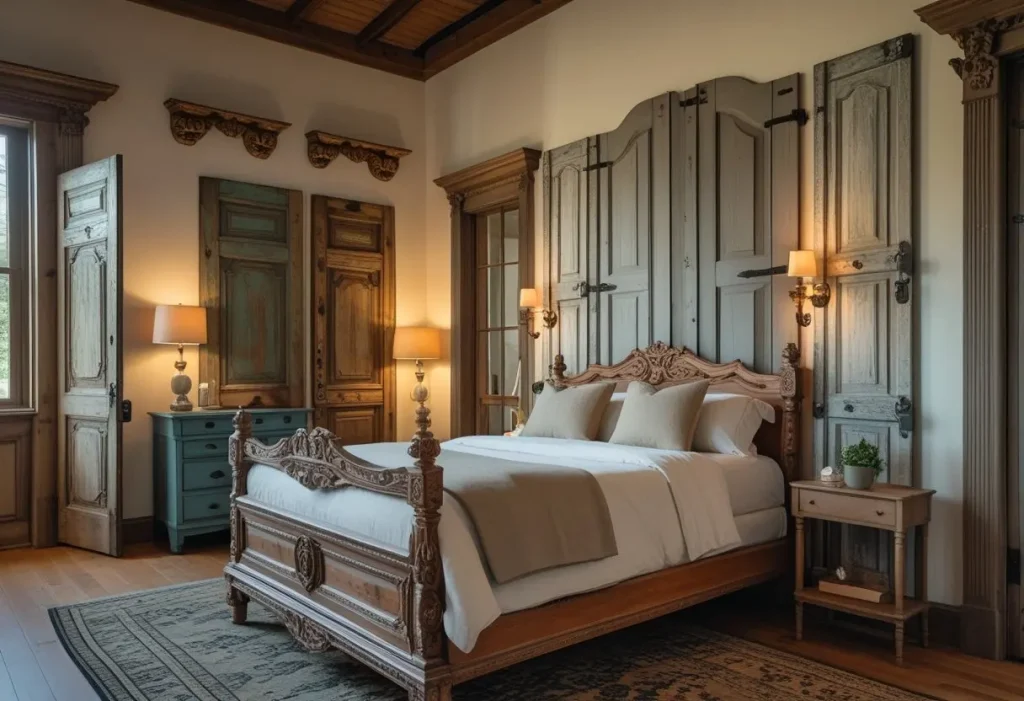
Doors & Windows: A solid wood door can become a headboard or a dramatic tabletop. Stained glass windows transform into luminous wall art or room dividers. Multi-pane windows are perfect for creating shadow boxes or greenhouse panels architectural salvage vintage home decor.
Hardware & Fixtures: Vintage door knobs, lever sets, and hinges add instant character to any door or cabinet. Restored period lighting—from sconces to chandeliers—provides ambient warmth. Don’t overlook plumbing fixtures; a clawfoot tub or pedestal sink is a timeless bathroom centerpiece architectural salvage vintage home decor.
Architectural Millwork: This category includes the “jewelry” of a home. Mantels and surrounds create an instant focal point, even without a functioning fireplace. Corbels and brackets can serve as decorative shelving supports. Wainscoting, beadboard, and ceiling medallions add layered texture and history to walls and ceilings architectural salvage vintage home decor.
Building Materials: The backbone of salvage. Reclaimed wood (heart pine, barn board, chestnut) is prized for flooring, accent walls, and beams. Vintage brick and stone offer unparalleled texture for hearths or garden paths. Terracotta and encaustic tile bring geometric, old-world patterns to kitchens and entryways architectural salvage vintage home decor.
An interior featuring a beautifully restored vintage fireplace mantel as the room’s focal point, with reclaimed wood shelving and subtle modern furnishings architectural salvage vintage home decor.
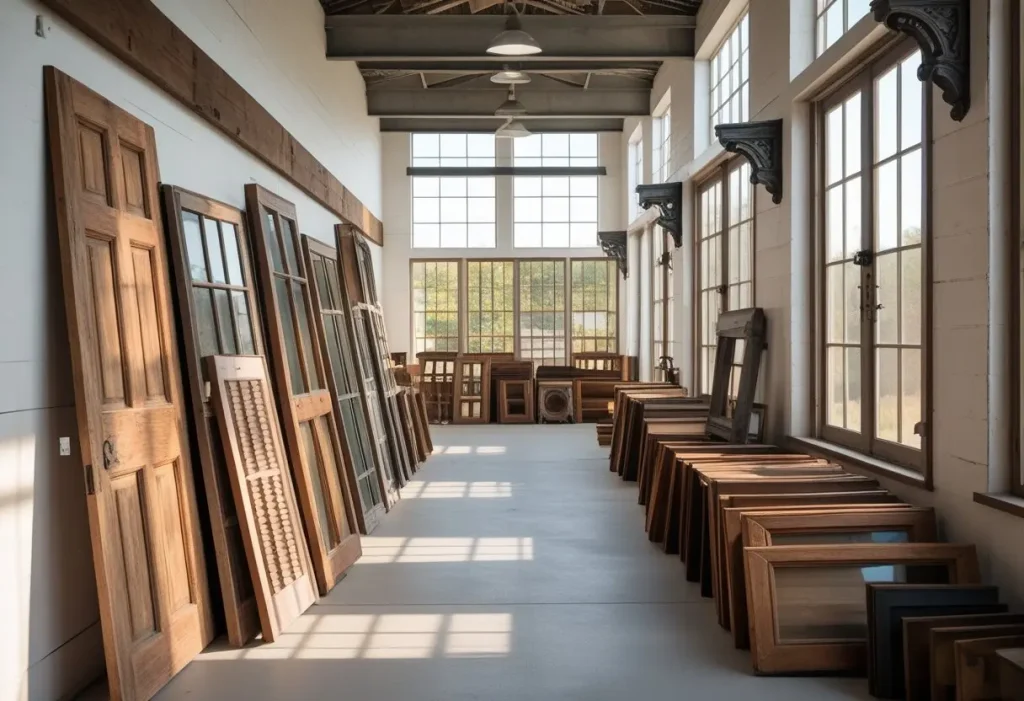
The Art of Restoration: Breathe New Life into Old Pieces
Finding a piece is just the beginning. Thoughtful restoration honors its history while preparing it for a new life.
Assessment & Cleaning: Start by evaluating the piece’s condition. Is it structurally sound? What is the finish? Begin with the gentlest cleaning method—a soft brush and mild soapy water—to remove decades of grime and reveal the true surface. Avoid harsh chemicals that can strip patina architectural salvage vintage home decor.
Wood Restoration: For painted wood, decide if you want to strip it to reveal the natural grain or simply repaint. For unpainted wood, cleaning and a light sanding may be sufficient. Nourish dry wood with a quality oil (like tung or linseed) or a beeswax polish to restore luster and protect it architectural salvage vintage home decor.
Metal Restoration: For brass, copper, or bronze, a specialized metal cleaner can remove tarnish. For iron, remove rust with a wire brush or chemical rust remover, then apply a fresh protective finish like wax or a matte sealant to prevent its return. Preserve a desirable patina; you don’t always want it to look brand new architectural salvage vintage home decor.
Professional Help: Know your limits. Lead paint (common pre-1978) requires professional abatement. Broken stained glass, cracked marble, or major structural repairs on a mantel are best left to specialists who can preserve the piece’s integrity and value.
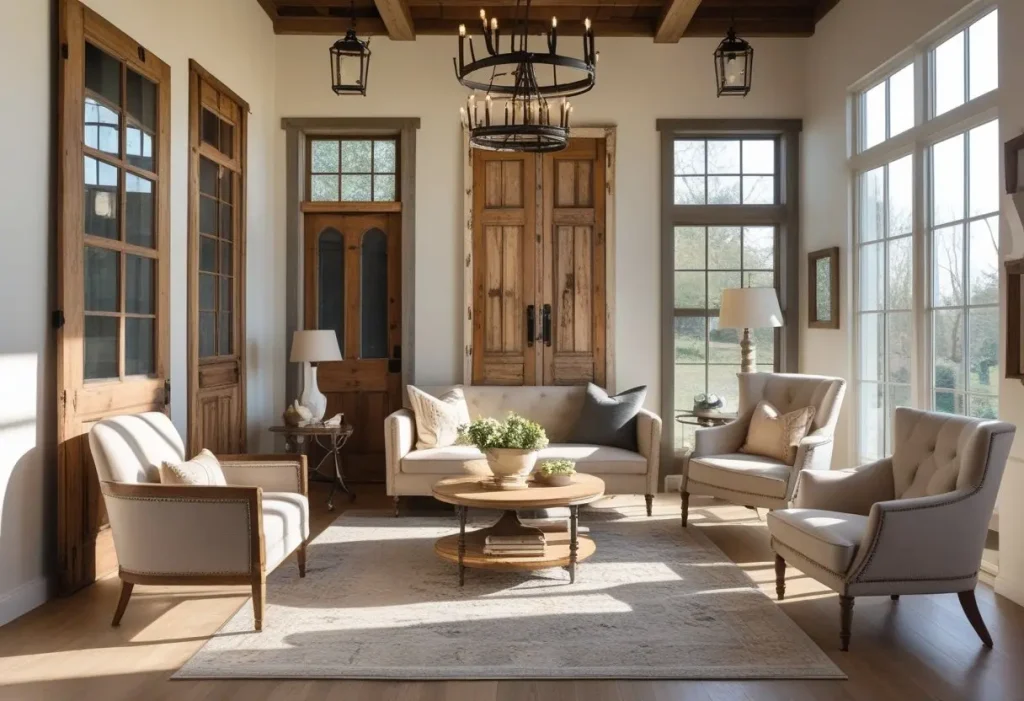
Designing with Salvage: Creative Integration for Modern Living
The true magic happens when you integrate salvage into your contemporary home. The key is balance—letting historic pieces sing without creating a museum diorama architectural salvage vintage home decor.
Statement Focal Points: Use one major salvaged element as the anchor of a room. A majestic vintage mantel in the living room, a massive reclaimed wood beam across the ceiling, or a stained glass transom above a doorway instantly defines a space with history and weight architectural salvage vintage home decor.
Functional Repurposing: This is where creativity shines.
- Turn a solid wood door into a dining table or desk top.
- Mount old wooden windows as a picture frame grid for family photos.
- Use architectural corbels as bookends or as supports for a floating shelf.
- Convert a vintage industrial cart into a kitchen island.
The Mix of Old and New: Avoid a theme-park look by pairing salvage with clean, modern elements. A reclaimed wood accent wall looks stunning behind a sleek, contemporary sofa. A set of industrial factory pendants illuminates a minimalist kitchen island perfectly. The contrast highlights the beauty of both architectural salvage vintage home decor.
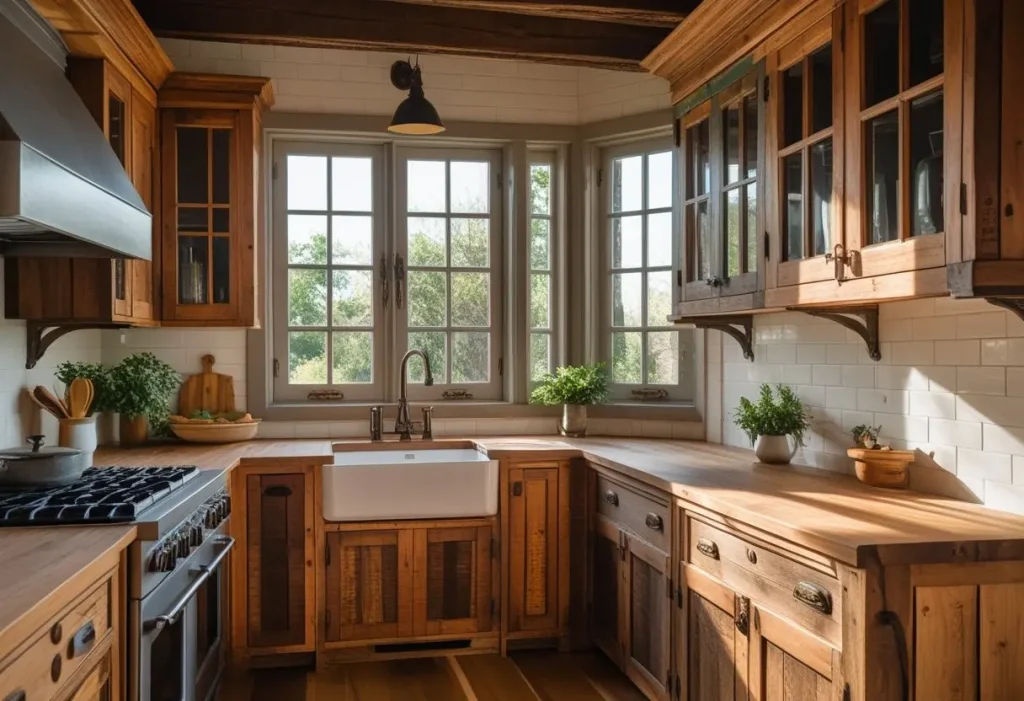
Small Accents with Big Impact: You don’t need a lorry-load of beams. Small architectural salvage decor items can layer in character. Replace modern cabinet pulls with vintage glass knobs. Frame a mirror with an ornate salvaged wood trim. Use a set of antique iron hooks as a coat rack. These touches accumulate to create a deeply personal space architectural salvage vintage home decor.
Navigating the Practicalities: A Buyer’s Checklist
Before you commit to a piece, be pragmatic. This checklist can save you from costly mistakes.
- Measure, Then Measure Again: Know the exact dimensions of the space where the piece will go. For doors and windows, measure the “rough opening,” not just the existing frame architectural salvage vintage home decor.
- Inspect for Structural Integrity: Check wood for rot, severe cracks, or insect damage. Ensure metal is not rusted through. Test the mechanics of any hardware.
- Research Compatibility: Will that antique light fixture need rewiring? Does the vintage faucet fit modern plumbing standards? Factor in the cost of professional adaptation architectural salvage vintage home decor.
- Consider the Weight: A stone mantel or cast-iron radiator is extremely heavy. Ensure your floor can support it and plan for professional moving and installation.
- Negotiate Respectfully: At flea markets or with private sellers, polite haggling is often expected. At professional salvage yards, prices are usually firm but may include delivery or a discount on multiple items.
- Understand the History (If Possible): Provenance adds value and story. Ask where the piece came from. A mantel from a local historic landmark is more meaningful than one of unknown origin.
Creative repurposing of architectural salvage: an old multi-pane factory window transformed into a decorative room divider in a bright, modern living space.
The Sustainable and Ethical Heart of Salvage
Choosing architectural salvage vintage home decor is one of the most responsible decisions a design-conscious homeowner can make.
Environmental Impact: The building industry is a major consumer of raw materials and energy. Reclaimed wood eliminates the need to cut new trees and the energy used in processing virgin lumber. It keeps usable materials out of landfills, reducing methane emissions from decomposition.
Preserving Craftsmanship: Salvage allows us to steward the skills of past artisans—the joinery of a carpenter, the brushwork of a painter, the precision of a glazier. These pieces embody a human touch that is rare in today’s automated production.
Building a Circular Economy: Salvage is a perfect model of a circular economy: “waste” is redefined as a resource. It supports local businesses, from salvage yards to skilled restorers, and keeps money within the community.
Building Your Home’s Unique Narrative
Ultimately, decorating with architectural salvage is about more than aesthetics; it’s about curation and connection. Your home becomes a collection of stories—the farmhouse floor, the factory light, the library hardware. This approach fosters a slower, more intentional relationship with our surroundings. We value pieces not for their novelty, but for their endurance and the layers of life they represent. It teaches us to see potential in the overlooked and to find beauty in honest wear, creating spaces that feel not just decorated, but truly lived-in and loved.
Frequently Asked Questions (FAQs)
What exactly counts as architectural salvage?
Architectural salvage refers to the reusable materials, fixtures, and decorative elements rescued from buildings before or during demolition or renovation. This includes doors, windows, flooring, mantels, hardware, lighting, tile, and structural elements like beams and bricks. It is distinct from general antiques or used furniture due to its original fixed, architectural function.
Is architectural salvage more expensive than new materials?
It can be, but it depends on the material and its rarity. Common reclaimed brick may be price-competitive, while rare heart pine flooring or a hand-carved Victorian mantel will command a premium. However, when you factor in the unparalleled quality, character, and sustainability, salvage often presents a superior long-term value compared to high-end new reproductions.
How do I know if a salvage piece is safe to use (e.g., lead paint, asbestos)?
Assume that paint on pieces pre-1978 contains lead. Do not dry-sand it. If the paint is intact and you are not disturbing it, the risk is low. For pieces that will be refinished, consult a professional about safe abatement. Asbestos is less common in decorative salvage but was used in some old floor tiles, insulation, and cement board. If in doubt, especially with materials from commercial buildings circa 1920-1980, seek professional testing.
Can I use an old window or door in an exterior wall for energy efficiency?
Using a salvaged single-pane window or uninsulated door in an exterior wall will compromise energy efficiency. The best practice is to use them in interior applications (as room dividers, cabinet fronts, or art) or in protected exterior areas like a covered porch. To use them externally, you can install them as a fixed “storm window” in front of a modern, efficient window, preserving the look without sacrificing performance.
What’s the best way to clean very dirty, grimy salvage?
Always start gently. For wood and metal, use a soft-bristle brush, a mild detergent like dish soap or a pH-neutral cleaner, and warm water. For stubborn grime on non-porous surfaces, a paste of baking soda and water can help. Avoid pressure washers on wood, as they can damage the surface. The goal is to preserve the desirable patina beneath the dirt.
How difficult is it to rewire an old light fixture?
Rewiring a vintage fixture is a straightforward task for a qualified electrician. The internal components (socket, wires) are replaced with modern, safe equivalents while preserving the original shell, sockets, and aesthetic. It is a critical safety step and is highly recommended for any fixture you plan to use.
Where can I find specific salvage pieces, like beveled glass or church pews?
Start with online searches using specific keywords (“beveled glass transom,” “oak church pew”) and your region. Follow specialized salvage dealers on social media. For very specific items, consider national dealers who may ship; the network of architectural salvagers is tight, and they often help source pieces for each other.
Are there any pieces of salvage I should avoid?
Exercise caution with items that may have been exposed to pesticides (old barn wood), excessive moisture (rotted structural beams), or hazardous industrial chemicals (factory parts). Also, be wary of pieces with major, complex damage that exceeds your restoration skills or budget. It’s better to pay more for a solid piece than to get a “bargain” that requires heroic, expensive repair.
- Within sections discussing wood types or flooring, link to your existing guide: The Complete Guide to Wood Parquet Flooring: Luxury, Patterns & Lasting Value.
- When talking about creating focal points with mantels, link to your detailed resource: The Ultimate Guide to Mantel Decor: Styling Your Fireplace Focal Point.
- In sections about developing personal style, reference your popular tool: The Ultimate Guide to Discovering Your Signature Look: Your Personal Home Decor Style Quiz.
This comprehensive guide is a natural backlink attractor. Design and sustainability blogs, local historical societies, and eco-conscious publications may link to it as a resource. To encourage sharing:
- Create pinnable infographics summarizing the “Where to Find Salvage” or “Buyer’s Checklist.”
- Film short restoration tutorials (e.g., cleaning hardware) for social media, driving traffic back to the full guide.
- Reach out to historians or master restorers for a quote to include, adding expert credibility (E-E-A-T).
This content demonstrates Experience through practical advice, Expertise via technical restoration knowledge, Authoritativeness by referencing best practices and authorities, and Trustworthiness with honest cautions and a focus on safety. It is built to serve users first, providing the complete, helpful resource they seek on their journey into architectural salvage vintage home decor.
Architectural salvage vintage home decor is one of the most powerful and timeless ways to add character, history, and sustainability to modern living spaces. By incorporating reclaimed architectural elements such as antique doors, vintage windows, salvaged wood beams, and classic iron fixtures, homeowners can create unique interiors that blend old-world charm with contemporary style.
Architectural salvage vintage home decor not only enhances visual appeal but also supports eco-friendly design by reusing authentic materials that tell a story. Whether used in living rooms, kitchens, or home offices, architectural salvage vintage home decor offers unmatched originality, durability, and aesthetic value, making it a top choice for interior designers and decor enthusiasts worldwide.