Imagine a floor that cradles your feet in warmth, dampens the morning clatter, and tells a story of renewable sustainability with every step. This isn’t a futuristic concept; it’s the timeless appeal of cork flooring, a natural material experiencing a well-deserved renaissance in modern homes. More than just a surface to walk on, cork offers a unique fusion of environmental responsibility, acoustic comfort, and understated beauty that few other flooring options can match.
Whether you’re renovating a cozy bedroom, designing a serene home office, or seeking a durable yet forgiving surface for a busy family area, cork presents a compelling, multifaceted solution. This definitive guide will walk you through everything you need to know, from the science behind its unique cellular structure to the practical steps of choosing, installing, and maintaining a floor that truly brings nature’s resilience indoors.
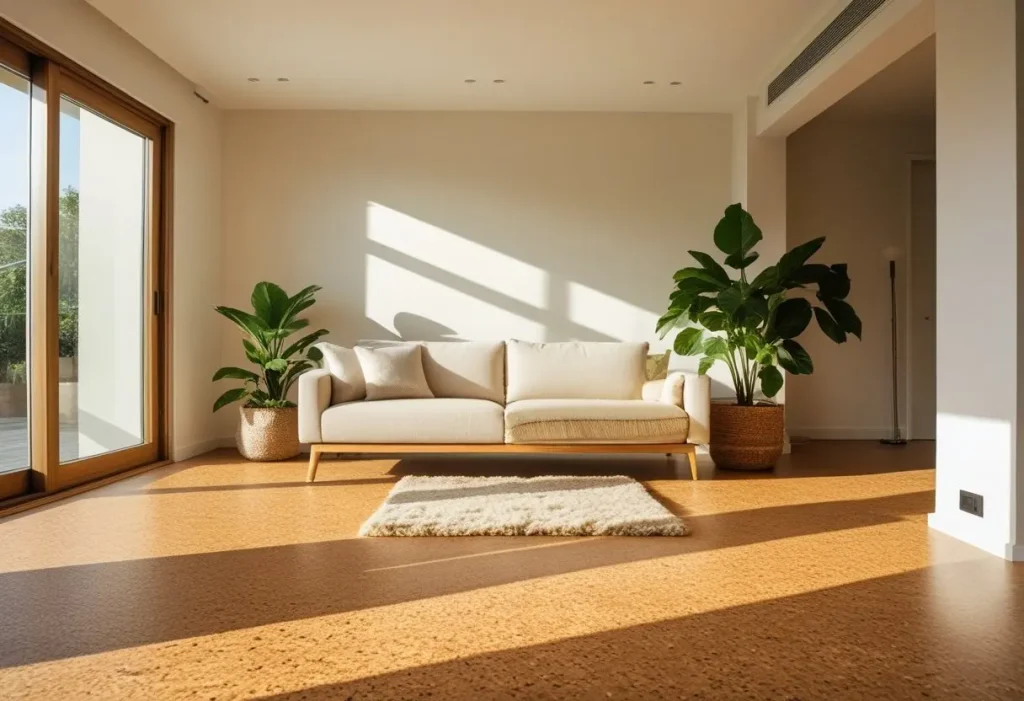
The Remarkable Story of Cork: From Tree to Tile
To appreciate cork flooring, one must first understand its extraordinary source: the cork oak tree (Quercus suber). Predominantly found in the Mediterranean regions of Portugal, Spain, and North Africa, these remarkable trees are the epitome of sustainable harvesting. The bark, which is the cork, is carefully stripped by skilled hands every nine to twelve years. This process doesn’t harm the tree; in fact, it stimulates the regeneration of the bark, allowing the same tree to be harvested over and over for more than 150 years. This renewable cycle makes cork flooring a cornerstone of eco-conscious interior design.
After harvest, the cork bark is left to season before being ground, compressed, and baked in ovens. The natural suberin within the cork bonds the granules, creating the sheets or tiles that become your floor. This journey from forest to floor is a testament to a circular economy long before the term became popular.
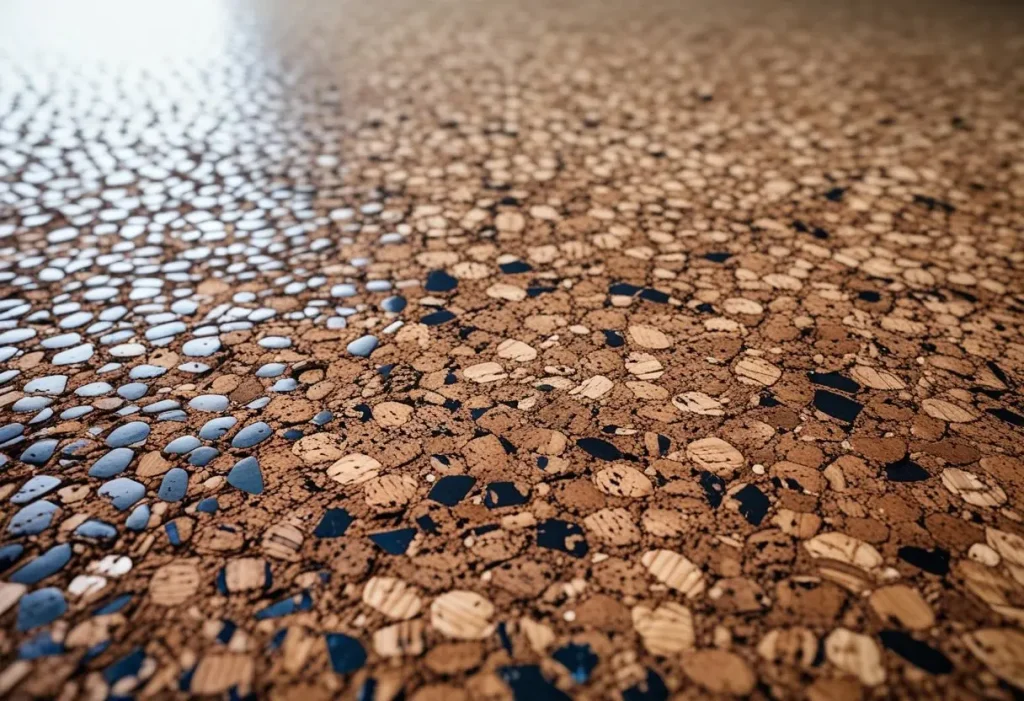
Unveiling the Benefits: Why Choose Cork for Your Home?
The advantages of installing cork floors extend far beyond their green credentials. They deliver tangible, daily benefits that enhance your living experience.
- Unmatched Comfort and Warmth: Cork’s cellular structure, comprised of millions of air-filled chambers, acts as a natural insulator. This provides a soft, warm, and forgiving surface underfoot that is gentle on joints and backs—a blessing in kitchens or playrooms where you stand for long periods. This thermal insulation also helps keep rooms warmer in winter and cooler in summer, contributing to energy efficiency.
- Superior Acoustic Performance: Those same air-filled cells are exceptional at absorbing sound and vibration. Cork flooring significantly reduces impact noise (like footsteps) and airborne sound, making it an ideal choice for multi-story homes, apartments, and home theaters. It creates a quieter, more peaceful environment.
- Durability and Resilience: Don’t let its softness fool you. Compressed and sealed cork is surprisingly durable and resilient to pressure. It has a “memory” that allows it to bounce back from indentations caused by furniture legs, making it excellent for areas with heavy furniture. A properly finished cork floor can last for decades.
- A Natural Hypoallergenic Choice: Cork is naturally resistant to mold, mildew, and pests. It doesn’t absorb dust or harbor allergens, contributing to better indoor air quality—a critical factor for families with allergies or asthma.
- Inherent Fire Resistance: Cork contains suberin, a waxy substance that makes it naturally slow-burning and resistant to flame spread, adding an extra layer of safety to your home.
- Design Versatility: Modern cork flooring is available in a stunning array of colors, patterns, grains, and tile/plank sizes. You can find options that mimic hardwood, stone, or offer bold contemporary solids. Finishes range from matte to glossy, allowing it to fit styles from rustic farmhouse to sleek minimalist.
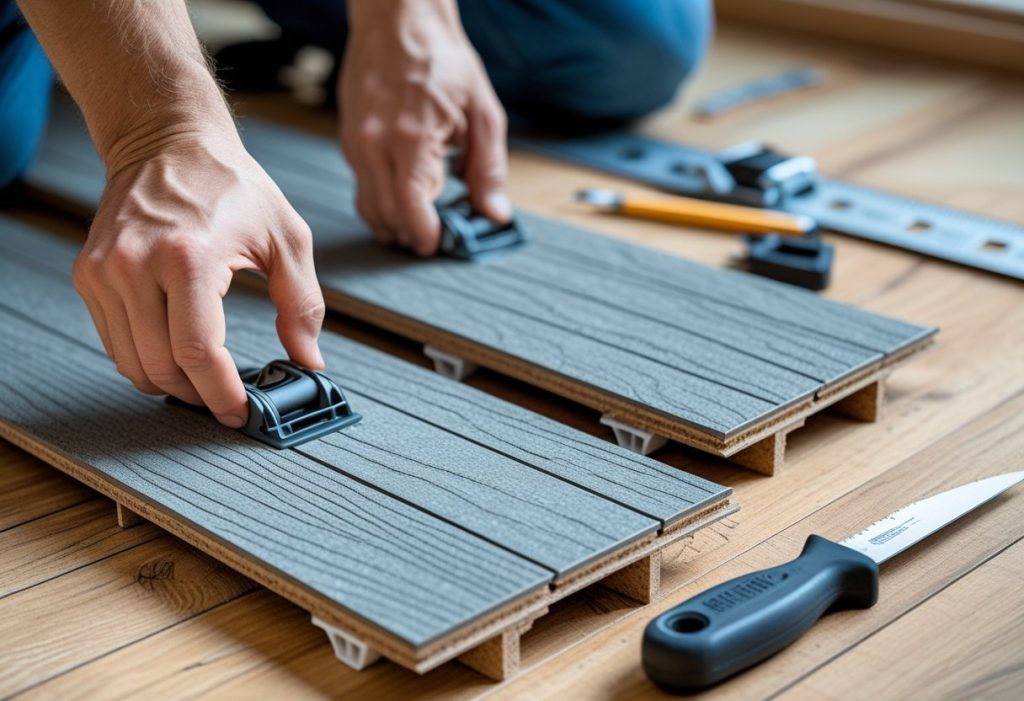
Understanding the Different Types of Cork Flooring
Not all cork floors are created equal. Knowing the types will help you select the perfect product for your project.
- Glue-Down Cork Tiles: The classic and most permanent installation. Individual tiles are adhered directly to a smooth, level subfloor using a strong adhesive. This method offers the most stable and seamless feel but requires more preparation and skill.
- Floating Cork Planks (Click-Lock): This is the most popular DIY-friendly option. Planks with click-lock edges are fitted together over an underlayment, “floating” above the subfloor without glue. Installation is faster and can often be installed over existing flooring, like vinyl or concrete.
- Peel-and-Stick Cork Tiles: A simpler version of glue-down, these tiles have a pre-applied adhesive backing. While convenient for small projects, they may not offer the same long-term durability or stability as professionally glued tiles.
- Cork Parquet: Features small cork pieces arranged in geometric patterns (like herringbone), often with different color variations for a striking, traditional effect.
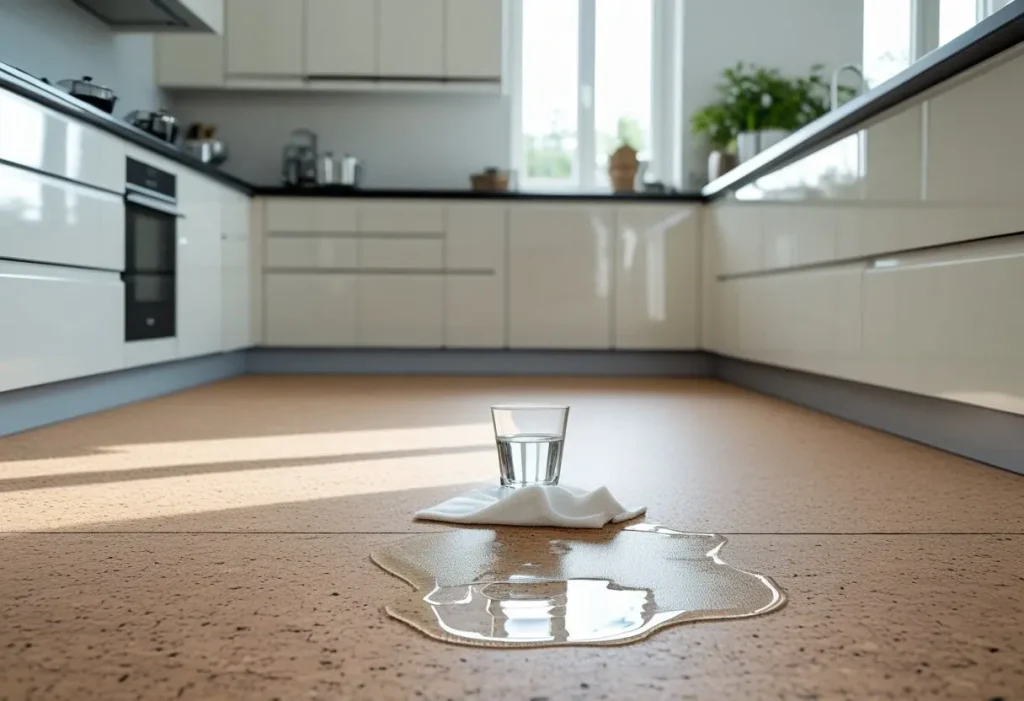
Finish Considerations: Your cork will come pre-finished at the factory. Options include:
- UV-Cured Acrylic: The most common and durable. Provides excellent moisture and stain resistance.
- Wax Finish: Offers a beautiful, natural matte look but requires more frequent re-application to maintain protection.
- Unfinished: Rare for flooring; allows for total customization of stain and sealant but is a complex, niche process.
The Installation Process: What to Expect
Proper installation is critical to the performance and longevity of your cork flooring.
- Subfloor Preparation: The subfloor (plywood, concrete, etc.) must be impeccably clean, dry, and level. Any imperfections will telegraph through the cork.
- Acclimation: Cork planks or tiles must sit in the room where they will be installed for at least 48-72 hours. This allows the material to adjust to the room’s temperature and humidity, preventing expansion or contraction after installation.
- Underlayment: For floating floors, a proper underlayment is crucial for moisture protection, added cushion, and sound absorption.
- Installation Method:
- For floating floors, planks are clicked together row by row.
- For glue-down, adhesive is troweled onto the subfloor and each tile is firmly pressed into place.
- Finishing Touches: Transition strips (reducer moldings) are installed at doorways, and baseboards or quarter-round moldings are replaced to cover the necessary expansion gap around the room’s perimeter.
For professional guidance on preparing your space for any new flooring, explore our comprehensive project planning resources at CozyNestDecor.pro.
Caring for Your Cork Floor: Simple Maintenance for Lasting Beauty
Maintaining cork flooring is straightforward. A regular, gentle routine will preserve its beauty for years.
- Daily/Weekly: Sweep, dust mop, or vacuum (with a hard-floor setting) to remove grit and dirt that can act as an abrasive.
- Cleaning: Use a damp mop with a pH-neutral, cork-specific, or mild wood floor cleaner. Never use soaking wet mops, steam cleaners, ammonia-based cleaners, or abrasive pads, as these can damage the finish.
- Protection: Use felt pads under furniture legs. Place mats at entrances to catch debris. In high-traffic areas, consider using area rugs.
- Managing Sunlight: Like wood, cork can fade with prolonged, direct UV exposure. Use curtains or blinds to mitigate this.
- Repair and Refinishing: Minor scratches can often be touched up with manufacturer-recommended repair kits. After many years, the entire floor can be professionally sanded and re-coated with polyurethane to restore its like-new appearance.

Addressing Common Concerns: Cork Flooring Myths vs. Reality
- Myth: Cork is too soft and damages easily.
Reality: While softer than tile, sealed cork is resilient and resists denting better than many hardwoods. Its cellular structure allows it to compress and then rebound. - Myth: Cork flooring isn’t suitable for kitchens or bathrooms.
Reality: With a high-quality, water-resistant UV acrylic finish, cork performs well in kitchens and even some bathroom applications (excluding full shower areas). Spills must be wiped up promptly, and area rugs are recommended in front of sinks. - Myth: Cork has a limited design aesthetic.
Reality: Modern manufacturing offers an immense variety. From natural, flecked patterns to rich, solid tones that mimic stained wood or contemporary colors, there’s a cork style for nearly every design palette. - Myth: It’s a new, untested fad.
Reality: Cork has been used in buildings for over a century, notably in places like the Library of Congress. Its longevity is well-proven.
Cork vs. The Competition: An Honest Comparison
How does cork flooring stack up against other popular choices?
- Cork vs. Hardwood: Cork is warmer, quieter, and more forgiving underfoot. It’s generally more affordable than solid hardwood and is a better insulator. Hardwood may have a higher perceived resale value and can be refinished more times.
- Cork vs. Laminate: Cork offers superior acoustic and thermal benefits and is made from natural materials. Laminate can be more scratch-resistant but often feels harder and colder underfoot and can sound hollow.
- Cork vs. Luxury Vinyl Plank (LVP): LVP is 100% waterproof and extremely scratch-resistant. Cork is warmer, quieter, and biodegradable. The choice hinges on prioritizing natural comfort versus ultimate durability against moisture.
- Cork vs. Bamboo: Both are eco-friendly. Bamboo is harder and more similar to hardwood. Cork is softer, warmer, and provides better sound absorption.
The Sustainability Edge: Cork’s Environmental Impact
In an era of greenwashing, cork’s eco-friendly claims are rock-solid. The harvesting process supports biodiversity in the cork oak forests (known as montados), which are crucial habitats for endangered species like the Iberian lynx. These forests also act as significant carbon sinks. Choosing cork flooring supports a rural economy built on sustainable practices. Furthermore, at the end of its very long life, cork is biodegradable and recyclable, often ground back into granules for other products. For the truly eco-minded homeowner, it’s a choice that aligns comfort with conscience. To explore more sustainable home decor ideas that complement natural floors, visit our curated collection at CozyNestDecor.pro.
Technical & Practical Considerations Before You Buy
- Grain and Pattern: Decide between a natural, pronounced grain or a more uniform, contemporary look.
- Thickness: Typically ranges from 4mm to 12mm. Thicker planks offer more underfoot comfort and sound insulation. For glue-down over concrete, 5mm may suffice; for a floating floor over an uneven subfloor, a 10-12mm plank provides stability.
- Wear Layer: This is the top veneer of cork with the finish. A thicker wear layer means more material that can be sanded for refinishing in the future.
- Room Suitability: Ideal for living rooms, bedrooms, home offices, and kitchens (with care). Use extra caution in full bathrooms or basements prone to dampness unless the product and installation are specifically rated for such environments.
- Professional vs. DIY: Floating cork plank installations are very DIY-able for a handy homeowner with the right tools. Glue-down installations are best left to professionals to ensure a flawless, lasting result.
Investing in Your Home: Cost Analysis and Value
The cost of cork flooring varies based on type, quality, thickness, and finish.
- Material Cost: Generally ranges from $3 to $12 per square foot.
- Installation Cost: Professional installation can add $2 to $5 per square foot, depending on complexity (glue-down being more expensive than floating).
- Long-Term Value: While the upfront cost may be higher than some vinyl or laminate, the longevity (30+ years with proper care), energy-saving benefits, and unique comfort add-ons provide excellent long-term value. It’s an investment in your daily quality of life.
Frequently Asked Questions About Cork Flooring
Is cork flooring good for pets?
Yes, cork is an excellent choice for pet owners. Its natural resilience resists scratches from pet nails better than many hardwoods, and its comfort is easier on aging pet joints. Its sound-dampening quality also muffles the pitter-patter of paws. Always clean up pet accidents promptly.
Can you install cork flooring over radiant heat?
Absolutely. Cork’s insulating properties work well with radiant heating systems. It is a compatible conductor of heat. Crucially, you must use a floating floor installation (not glue-down) and follow both the flooring manufacturer’s and radiant heat system manufacturer’s specific guidelines for maximum temperature settings.
How do you repair a deep scratch or gouge in cork?
For minor scratches, a colored wax filler stick matched to your floor often works. For deeper damage, you can carefully fill the area with a cork-and-adhesive mixture, let it dry, sand it flush, and then re-seal the spot with a compatible water-based polyurethane to blend it in.
Does cork flooring off-gas or contain VOCs?
High-quality, reputable cork flooring products use water-based, low-VOC or zero-VOC finishes (like UV-cured acrylics) that are safe for indoor air quality. Always look for certifications like FloorScore or GREENGUARD Gold, which verify low chemical emissions. The cork itself is a natural, inert material.
Is cork flooring really waterproof?
It is more accurate to call high-quality cork flooring highly water-resistant. A superior UV-cured acrylic finish will create a strong seal that protects against spills and moisture for a significant time, allowing for cleanup. However, it is not impervious like vinyl. Prolonged standing water can eventually seep through seams and damage the core. It is perfect for kitchens but requires more caution in full bathrooms.
Conclusion: Stepping into a Sustainable, Comfortable Future
Cork flooring is more than just a trend; it’s a intelligent, holistic choice for the modern homeowner. It masterfully balances environmental stewardship with practical, daily luxury. It offers a floor that feels as good as it looks, that quiets your home as it warms it, and that tells a positive story about the materials we bring into our personal sanctuaries. By choosing cork, you’re not simply selecting a surface—you’re investing in comfort, well-being, and a timeless connection to a truly renewable resource. Whether your style leans traditional or modern, your priority is planet-friendly materials or kid-friendly durability, cork presents a versatile and deeply satisfying answer. It invites you to walk softly and live thoughtfully.
- Cork flooring is made from the bark of cork oak trees, which regenerates naturally without harming the tree.
- Cork flooring is considered an eco-friendly flooring option because it comes from a renewable and sustainable resource.
- Cork flooring provides natural thermal insulation, helping maintain comfortable indoor temperatures year-round.
- Cork flooring absorbs sound effectively, making it ideal for apartments, bedrooms, and quiet living spaces.
- Cork flooring offers a soft and cushioned surface that reduces strain on joints and feet.
- Cork flooring is naturally resistant to mold, mildew, and pests, improving indoor air quality.
- Cork flooring is hypoallergenic, making it suitable for homes with allergy-sensitive occupants.
- Cork flooring becomes water-resistant when properly sealed, allowing use in kitchens and other low-moisture areas.
- Cork flooring provides better shock absorption than many traditional hard flooring materials.
- Cork flooring blends well with both modern and traditional interior design styles.
Durability & Performance Facts
- Cork flooring has natural elasticity that helps it recover from dents caused by furniture or foot traffic.
- Cork flooring performs well in moderate to high-traffic areas when protected with a quality finish.
- Cork flooring reduces impact noise, making rooms quieter and more comfortable.
- Cork flooring with UV-resistant coatings helps prevent fading from sunlight exposure.
- Cork flooring offers slip-resistant properties, making it safer for households with children and pets.
Maintenance & Care Facts
- Cork flooring is easy to maintain with regular sweeping or vacuuming.
- Cork flooring should be cleaned with a damp mop rather than excessive water to protect the surface.
- Cork flooring lasts longer when sealed and refinished as recommended by manufacturers.
- Cork flooring benefits from furniture pads to prevent scratches and surface damage.
Cost & Value Facts
- Cork flooring is generally more affordable than solid hardwood flooring.
- Cork flooring can reduce energy costs due to its natural insulating properties.
- Cork flooring is available in click-lock systems, making installation faster and more cost-effective.
Environmental & Sustainability Facts
- Cork flooring production has a low environmental impact compared to many synthetic flooring options.
- Cork flooring supports sustainable forestry and helps reduce carbon emissions.
- Cork flooring is biodegradable and recyclable at the end of its lifecycle.
Design & Aesthetic Facts
- Cork flooring comes in a wide range of colors, textures, and patterns.
- Cork flooring adds warmth and natural beauty to interior spaces.
- Cork flooring complements minimalist, rustic, and contemporary home décor styles.
Google-Snippet-Friendly Facts
- Cork flooring is a sustainable, comfortable, and stylish flooring solution for modern homes.
- Cork flooring improves comfort, noise reduction, and energy efficiency in residential spaces.
- Cork flooring offers a balanced combination of durability, comfort, and eco-friendliness.
- Cork flooring is a smart investment for environmentally conscious homeowners.
FAQ- Facts
- Is cork flooring waterproof? Cork flooring is water-resistant when properly sealed, but not completely waterproof.
- How long does cork flooring last? High-quality cork flooring can last 20–40 years with proper care.
- Is cork flooring suitable for kitchens? Yes, cork flooring works well in kitchens when moisture protection is maintained.
- Is cork flooring pet-friendly? Cork flooring is soft, slip-resistant, and comfortable for pets.
EEAT-Focused Trust Facts
- Cork flooring is recommended by interior designers for its comfort and sustainability.
- Cork flooring is increasingly popular in green building and eco-friendly home projects.
- Cork flooring aligns with modern sustainable construction and home design standards.
- Cork flooring is frequently featured in trusted home improvement and interior design guides.