Welcome to your journey into the world of contemporary home decor. If you’ve ever found yourself captivated by the clean lines of a modern sofa, soothed by the serene palette of a minimalist bedroom, or intrigued by a single, striking piece of art in an otherwise understated room, then you’ve already felt the pull of this beloved design style. But what exactly is contemporary decor? Is it just another word for modern? Is it cold, sterile, or impersonal?
The truth is, contemporary home decor is one of the most misunderstood, yet most rewarding, styles to master. It’s a living, breathing design philosophy that reflects the now. It prioritizes simplicity, sophistication, and a profound sense of calm. It’s not about following rigid rules, but about understanding a set of core principles that allow you to create a space that is both incredibly stylish and deeply personal. This isn’t a trend that will feel dated in a few years; it’s an enduring approach to design that champions quality over quantity, space over stuff, and light over shadow.
In this definitive guide, we will demystify contemporary home decor. We will explore its rich history and defining characteristics, from the foundational “less is more” ethos to the specific elements of color, form, and texture that make it so unique. We will provide you with a room-by-room blueprint to transform your own home, complete with practical “Do’s and Don’ts,” expert styling tips, and actionable steps you can take today.
Whether you’re looking to undertake a full-scale renovation or simply infuse a few contemporary touches into your existing space, this guide is your comprehensive resource. Let’s embark on this path to creating a home that is not only beautiful but also a true reflection of serene, contemporary living—a perfect cozy nest for the modern era.
Understanding the Heartbeat of Contemporary Style
Before we dive into the specifics of furniture and fabric, it’s crucial to grasp the soul of contemporary design. At its core, contemporary style is defined by what is happening in the present moment. It evolved from the modern movement of the mid-20th century but shed its strict adherence to the industrial and sometimes dogmatic rules. While modern design might feel like a historical snapshot (think Mad Men), contemporary design is fluid, evolving with the times. It currently draws significant inspiration from minimalism, Scandinavian hygge, and even the organic curves of biophilic design.
The ultimate goal is to create a sense of balance and tranquility. A contemporary room is a sanctuary from the chaos of the outside world. It is uncluttered, airy, and intentional. Every item has a purpose or brings joy. The space itself—the volume of the room, the flow of natural light, the connection between indoors and out—is the star of the show. The decor merely enhances it. This philosophy is perfectly aligned with creating a (Internal link: https://cozynestdecor.pro/serene-bedroom-retreat) serene bedroom retreat, where rest and rejuvenation are paramount.
The Foundational Principles: The “Why” Behind the “What”
To successfully create a contemporary home, you must internalize these three foundational principles. They are the non-negotiable mindset shifts that will guide every decision you make.
- The Ethos of “Less is More”: This is the golden rule. Contemporary decor is the antithesis of clutter. It’s about paring down to the essentials and curating your possessions. This doesn’t mean your home should be empty or austere. It means that every object you choose to keep in your space is worthy of being there. It’s about quality, functionality, and beauty. This conscious curation reduces visual noise, which in turn reduces stress and creates a profound sense of peace.
- Emphasis on Space and Light: In contemporary design, empty space is not “wasted” space; it is a active design element. It allows the eye to rest and the mind to relax. This is why open floor plans are so prevalent in contemporary homes. They create a feeling of expansiveness and fluidity. Similarly, natural light is treated as a priceless asset. The style maximizes windows, often using large, untreated glass to blur the lines between inside and outside, making the home feel larger and more connected to nature.
- The Pursuit of Sophisticated Simplicity: Simple does not mean simplistic. Contemporary decor avoids unnecessary ornamentation, fussy details, and overtly traditional motifs. Instead, sophistication is achieved through exceptional materials, interesting textures, and flawless execution. The beauty lies in the grain of the wood, the drape of the linen, the cool touch of polished concrete, and the perfect proportions of a well-designed chair.
Deconstructing the Aesthetic: The Core Elements of Contemporary Home Decor
Now, let’s break down the tangible components that bring the contemporary style to life in your home.
The Contemporary Color Palette: Neutrals as a Foundation, Boldness as an Accent
The color scheme in a contemporary home is typically a study in restrained elegance. The foundation is almost always a palette of neutral tones. Think shades of white, beige, cream, gray, and black. These colors create a calm, unified backdrop that makes spaces feel larger and brighter. They are the perfect canvas upon which you can add layers of interest.
However, to say contemporary spaces are devoid of color is a major misconception. Color is used, but it is used strategically and sparingly. The current trend leans towards earthy, organic hues—think terracotta, olive green, ochre, and deep navy. These are often introduced as accent colors through a single statement piece, like a vibrant armchair, a large piece of abstract art, or a collection of decorative objects. A pop of a bold, saturated color like ruby red or cobalt blue can also be incredibly effective when used in a very limited way. For more inspiration on using color effectively, explore our guide on (Internal link: https://cozynestdecor.pro/neutral-color-palette) mastering the neutral color palette.
- Do: Use a monochromatic scheme of grays or taupes for a sophisticated, cohesive look.
- Don’t: Paint every wall a different bright color or use too many competing accent colors in one room.
Form and Line: The Beauty of Clean Geometry
This is where the “clean lines” descriptor truly comes to life. Contemporary furniture and architecture favor strong, geometric shapes. You will see plenty of rectangles, squares, and clean, unbroken lines. Sofas are often low-profile with tight, straight backs and arms. Tables are likely to be rectangular or square with simple, sturdy legs.
However, a key evolution in contemporary design is the introduction of organic forms and soft curves to counterbalance the strict geometry. A rounded, sculptural armchair, a circular coffee table, or a fluid, wave-like floor lamp can prevent a room from feeling too rigid or cold. The interplay between straight lines and soft curves is a hallmark of today’s contemporary style, adding visual interest and a touch of humanity.
The Critical Role of Texture: Creating Depth and Warmth
In a palette dominated by neutrals and forms that are often simple, texture is the secret weapon that prevents a contemporary space from feeling flat, sterile, or like a doctor’s office. It is the element that adds depth, warmth, and a deeply tactile quality to your home.
The goal is to create a rich tapestry of contrasting textures. Imagine the sleek, cool feel of a stainless steel appliance against the rough, nubby weave of a jute area rug. Picture the soft, inviting drape of a wool throw blanket on a smooth, polished leather sofa. The glossy sheen of a lacquered side table next to the matte, hand-thrown finish of a ceramic vase.
Key Textures in Contemporary Decor:
- Natural: Wood (especially with visible grain), stone, linen, cotton, wool, jute, rattan.
- Smooth & Cool: Glass, chrome, stainless steel, polished concrete, lacquer.
- Plush & Soft: Shearling, faux fur, velvet, chenille.
- Rough & Raw: Exposed brick, concrete, burlap.
By layering three or more of these textures in a single room, you create a space that is visually compelling and irresistibly inviting. It’s how you achieve that coveted “cozy” feeling within a minimalist framework.
Furniture and Decor: Curating with Intention
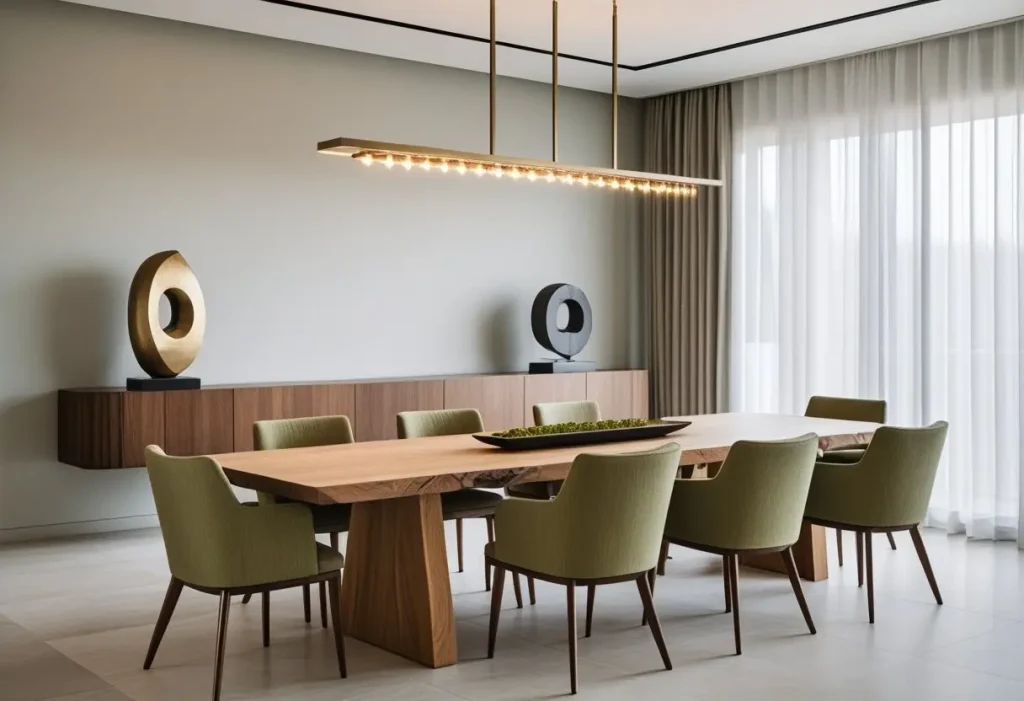
Furniture in a contemporary home is selected for its form, function, and material beauty. The pieces are often described as “sculptural”—they are art in themselves.
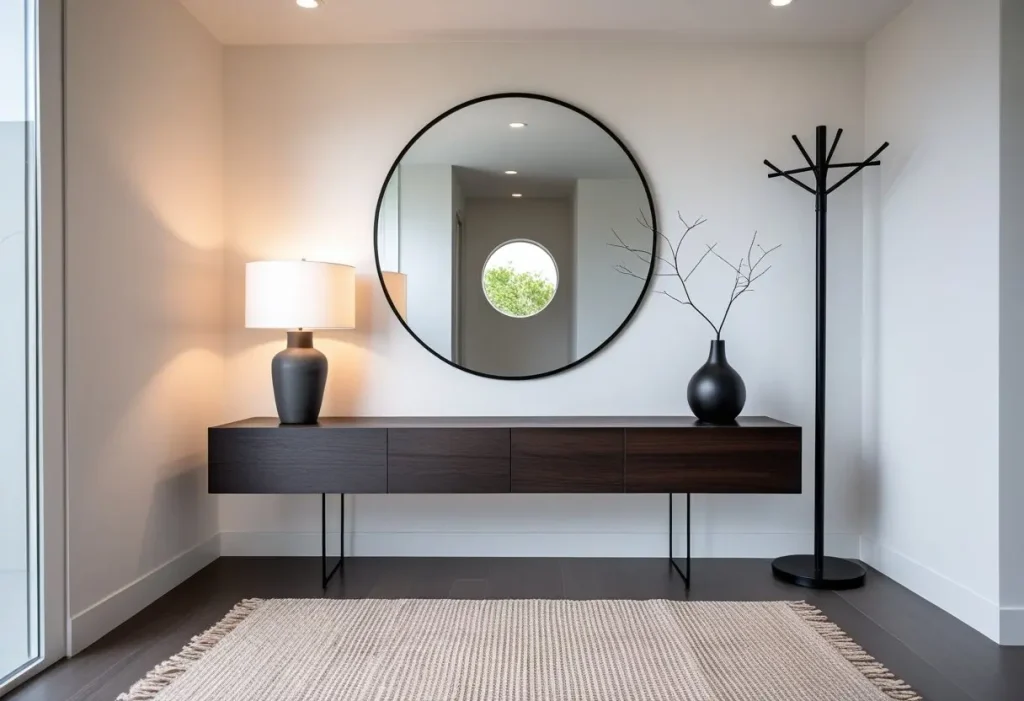
- Furniture: Look for pieces with exposed legs (which helps create a sense of airiness), sleek silhouettes, and multifunctional designs. A platform bed, a floating console table, or a modular sofa are all excellent choices. The focus is on quality craftsmanship and enduring design. According to a report by the (External link: https://www.architecturaldigest.com/story/why-investing-in-furniture-is-always-a-good-idea) Architectural Digest, investing in well-made, timeless furniture pieces ultimately provides better value than constantly replacing fast-fashion home goods.
- Lighting: Lighting is a jewelry of the contemporary home. It is a primary opportunity to make a statement. Think sculptural floor lamps, a dramatic linear chandelier over the dining table, or a series of minimalist recessed lights. Lighting should be layered: ambient (general overhead light), task (light for specific activities like reading), and accent (light to highlight art or architecture).
- Accessories and Art: The mantra here is “less, but better.” Instead of a gallery wall, you might have one large, powerful piece of abstract art. Instead of a cluttered mantel, you might have a single, beautiful sculpture or an oversized, stylish clock. Decor items are chosen with extreme care and are given room to breathe. Plants are also a crucial accessory, bringing life, color, and a connection to nature into the space.
A Room-by-Room Guide to Implementing Contemporary Home Decor
Let’s translate these principles into actionable ideas for every room in your house.
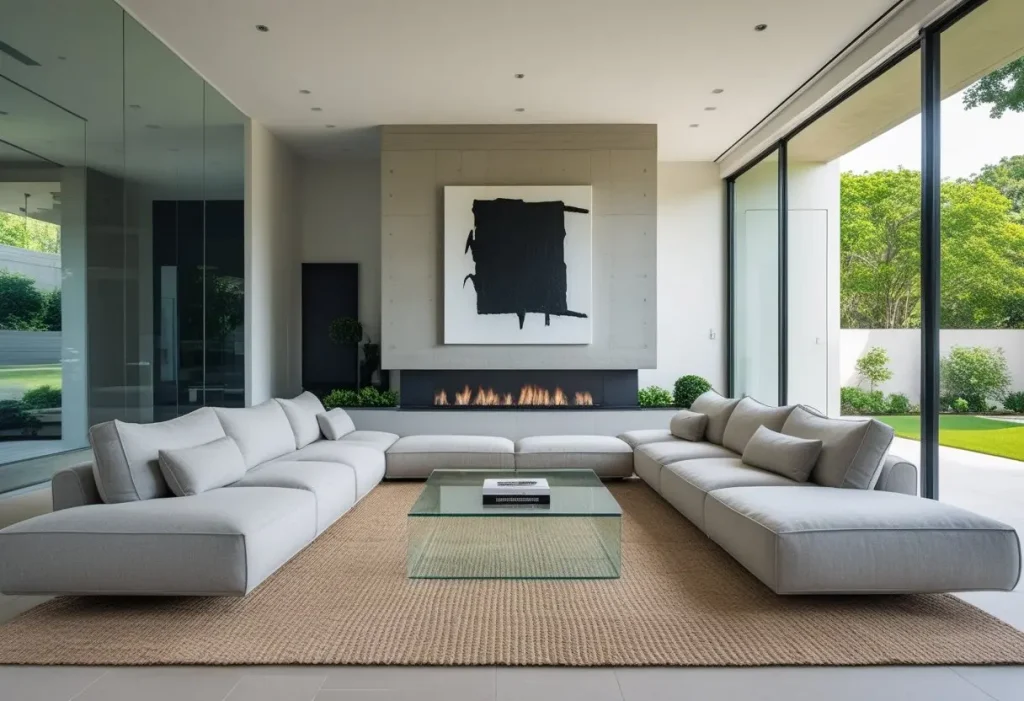
The Contemporary Living Room: The Heart of Your Home
The living room is where we entertain, relax, and connect with family. A contemporary living room should feel like a calm, inviting, and functional hub.
- Focal Point: Start by establishing a clean focal point. This could be a fireplace with a simple, linear mantel, a large piece of art, or a stunning view through a picture window. Arrange your furniture to encourage conversation around this focal point.
- Key Furniture Pieces:
- Sofa: Choose a low-profile sofa with clean lines in a neutral fabric like gray, beige, or charcoal. A sectional can work well if it doesn’t overwhelm the space.
- Coffee Table: Opt for a geometric table—rectangular, square, or oval—in a material like wood, glass, or metal. A nest of two smaller tables can also add visual interest.
- Media Console: A long, low media console in a warm wood tone or a sleek lacquered finish helps anchor the room without blocking sightlines. The trend is to conceal the TV when not in use, perhaps with a sliding panel.
- Styling Tips: Layer a soft, textural rug (like a shag or flat-weave wool) over your flooring. Drape a chunky knit throw over one corner of the sofa. Add a floor lamp with an arched neck to a dark corner. Remember to leave plenty of negative space on surfaces like the coffee table and console.
The Contemporary Bedroom: Your Personal Sanctuary
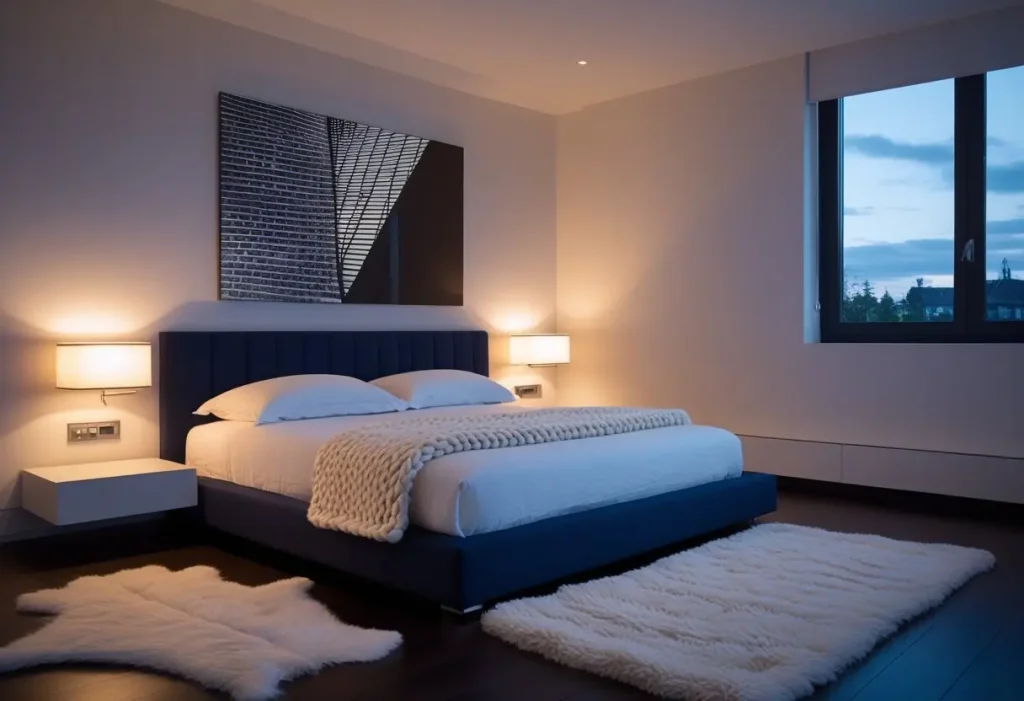
The bedroom should be a temple of tranquility, a place dedicated to rest and rejuvenation. The contemporary style is perfectly suited for this purpose.
- The Bed: The bed is the undeniable centerpiece. A platform bed with a simple, upholstered headboard is an ideal choice. Avoid large, ornate footboards or heavy, carved headboards. Keep the bedding simple and luxurious—crisp white sheets, a neutral duvet cover, and a selection of textural pillows in varying sizes.
- Furniture and Layout: Nightstands should be minimal, perhaps with just a drawer or even just a shelf. Consider floating nightstands to enhance the feeling of space. A low, long dresser or a sleek wardrobe can provide ample storage without imposing on the room. The key is to have a clear, uncluttered path around the bed.
- Lighting: Install dimmable overhead lights or a statement pendant. Bedside lighting is crucial; consider wall-mounted sconces to free up nightstand space. The soft, warm glow of light is essential for creating a relaxing ambiance before sleep.
The Contemporary Kitchen: Where Sleek Meets Functional
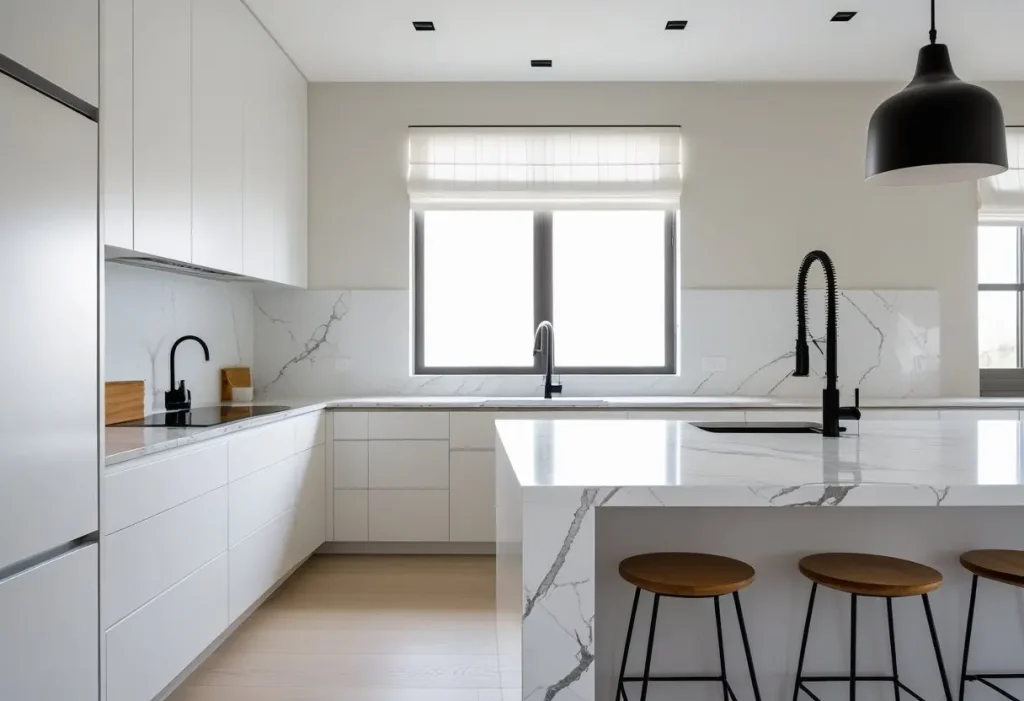
The contemporary kitchen is a masterpiece of efficiency and style. It’s characterized by streamlined cabinetry, integrated appliances, and stunning countertops.
- Cabinetry: Flat-panel or slab-front cabinets are the standard. They offer a seamless, unadorned look. Handle-less cabinets, which use a integrated groove or a push-to-open mechanism, are the pinnacle of contemporary kitchen design, creating a flawless, continuous surface.
- Countertops and Backsplash: Materials are key. Quartz, granite, and marble in solid colors or subtle veining are popular. For the backsplash, consider a continuation of the countertop material or a large-format tile with a very thin grout line to maintain the clean aesthetic. A (External link: https://www.houzz.com/magazine/8-kitchen-backspashes-that-will-steal-your-heart-stsetivw-vs~134121779) Houzz kitchen trends report consistently shows that homeowners are moving towards simpler, slab-style backsplashes for a more unified look.
- Fixtures and Finishes: A matte black or brushed nickel faucet can serve as a stunning focal point. Stick to one or two metal finishes throughout the space for cohesion.
The Contemporary Bathroom: A Spa-Like Retreat
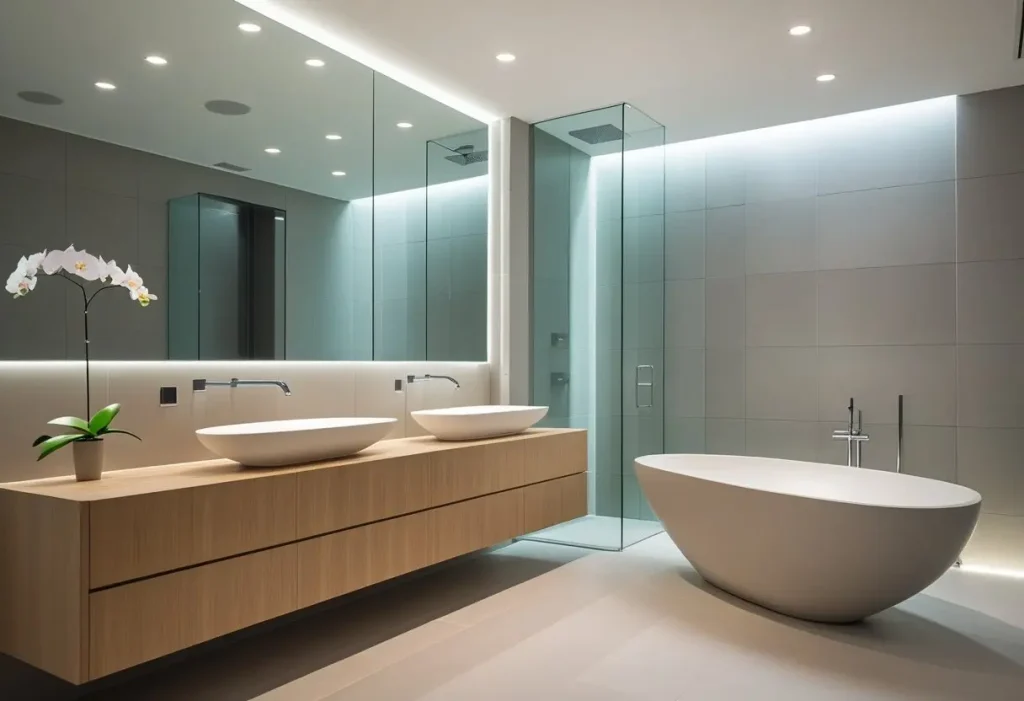
Transform your bathroom from a purely utilitarian space into a personal spa. The contemporary bathroom emphasizes clean surfaces, open space, and a serene atmosphere.
- Vanity: A floating vanity is the quintessential contemporary choice. It lifts the visual weight off the floor, making the room appear larger. Choose a vanity with simple, clean lines and integrated sinks.
- Shower and Tub: A walk-in shower with a frameless glass enclosure is a must. Use large-format tiles on the walls and floor to minimize grout lines. A freestanding, sculptural tub can act as a beautiful centerpiece if space allows.
- Fixtures and Details: As in the kitchen, choose sleek, geometric faucets and showerheads. Incorporate built-in niches in the shower for toiletries to avoid clutter. Use plenty of recessed lighting and, if possible, a dimmer switch to create a relaxing ambiance for a soak in the tub.
Do’s and Don’ts of Contemporary Home Decor
| Do’s | Don’ts |
|---|---|
| DO invest in a few high-quality, statement furniture pieces. | DON’T fill the room with lots of small, matchy-matchy furniture. |
| DO embrace negative space and let surfaces breathe. | DON’T cover every wall and surface with knick-knacks and decor. |
| DO layer multiple textures to add warmth and depth. | DON’T rely solely on smooth, cold surfaces like metal and glass. |
| DO use accent colors strategically and sparingly. | DON’T use busy patterns or an overwhelming color palette. |
| DO prioritize natural light and use layered artificial lighting. | DON’T rely on a single, harsh overhead light source. |
| DO incorporate organic forms and curves to soften the space. | DON’T make the room feel rigid with only straight lines and right angles. |
| DO conceal clutter with smart, integrated storage solutions. | DON’T let cords, remotes, and daily mess become the visual focus. |
Your 5-Step Action Plan to a More Contemporary Home
Feeling inspired but overwhelmed? Start small with this simple, actionable plan.
- The Great Declutter: This is the non-negotiable first step. You cannot build a contemporary home on a foundation of clutter. Go room by room and be ruthless. Donate, sell, or discard anything that is not functional or beautiful. This single step will have the most dramatic impact.
- Establish Your Neutral Base: Look at your largest surfaces: walls, floors, and large furniture. Can you paint a wall a soft white or warm gray? Could you replace a busy area rug with a solid, textural one? Simplifying your largest elements will instantly create a more contemporary canvas.
- Edit Your Furniture: Assess your main furniture pieces. Do they have clean lines? Are they the right scale for the room? Remove at least one unnecessary piece, like a bulky end table or an extra chair. See how the new sense of space feels.
- Introduce Texture and a Single Accent: Now for the fun part. Add a chunky knit throw to your sofa. Layer a sheepskin rug on your bedroom floor. Then, introduce one single accent color. This could be a terracotta pot for a plant, a set of navy blue pillows, or a single piece of art with a bold color.
- Curate Your Lighting: Swap out one light fixture. Replace a dated builder-grade ceiling light with a simple, stylish drum pendant or a sleek track lighting system. Add a floor lamp to a dark corner. This final layer will pull the entire look together.
Conclusion: Your Journey to a Cozy, Contemporary Nest
Embracing contemporary home decor is more than just an aesthetic choice; it’s a commitment to a lifestyle that values clarity, calm, and intention. It’s about creating a home that supports your well-being, a sanctuary that feels both sophisticated and deeply comfortable. By understanding the core principles of space, light, line, and texture, you have the power to transform any room into a timeless, serene, and stylish haven.
Remember, the goal is not to create a perfect, magazine-ready show home that feels untouchable. The goal is to create a space that feels authentically you, but quieter, calmer, and more focused. It’s about building your own cozy nest—a place where design serves your life, not the other way around. So start with one room, follow the steps, and enjoy the process of watching your home evolve into a beautiful, contemporary retreat.
Frequently Asked Questions (FAQs) About Contemporary Home Decor
1. What is the main difference between modern and contemporary home decor?
This is the most common point of confusion. Modern decor refers to a specific historical style from the early-to-mid-20th century (think Mid-Century Modern), characterized by organic curves, warm woods, and a distinct retro feel. Contemporary decor, on the other hand, is ever-evolving and refers to what is popular right now. It is generally sleeker, more minimalist, and favors a neutral palette with stronger, more geometric lines than traditional modern design.
2. Is contemporary decor comfortable and cozy, or is it cold and sterile?
A well-executed contemporary home is incredibly comfortable and cozy. The misconception of it being cold comes from pictures that lack personal touches. The coziness in contemporary design is achieved through the strategic use of texture (plush rugs, soft throws, nubby fabrics), warm wood tones, and thoughtful lighting—not through an abundance of clutter. The feeling of calm and spaciousness it creates is inherently comfortable.
3. Can I mix contemporary decor with other styles?
Absolutely! In fact, many of the most interesting interiors are hybrids. Contemporary style pairs beautifully with industrial elements (exposed brick, metal), rustic touches (reclaimed wood beams), or even traditional pieces (a single, ornate mirror in a very simple room). The key is to let the contemporary style be the dominant foundation (80%) and use the other style as an accent (20%) to add character and eclecticism.
4. What is the best color for a contemporary living room?
The best foundation colors are neutrals. Shades like “Agreeable Gray” by Sherwin-Williams, “Classic Gray” by Benjamin Moore, or simply a pure, bright white are excellent choices. These colors act as a perfect backdrop, making the room feel larger and allowing your furniture, art, and textures to take center stage.
5. How can I add warmth to a contemporary space?
Warmth is the secret ingredient. Incorporate it through:
- Wood: Use natural wood tones on floors, furniture, or decor accents.
- Texture: Layer rugs, throws, and pillows in materials like wool, linen, and shearling.
- Lighting: Use warm-white bulbs (2700K-3000K) in your fixtures and add table lamps for a soft glow.
- Metals: Choose brushed brass or copper finishes instead of cool chrome.
- Plants: Greenery instantly brings life and an organic warmth to any room.
6. What type of flooring is best for a contemporary home?
Wide-plank hardwood floors in a matte finish are a top choice. Light oak, dark walnut, or even gray-washed wood are all excellent. Large-format porcelain tiles that mimic concrete or stone are also very popular for their seamless look. The goal is a continuous, unbroken flow that enhances the sense of space.
7. Can I have patterns in contemporary home decor?
Yes, but they are used very sparingly and are usually graphic and large-scale. A geometric rug, a large piece of abstract art with bold strokes, or a single accent pillow with a subtle linear pattern are all acceptable. Avoid small, busy prints like florals or paisleys.
8. How important is lighting in contemporary decor?
Lighting is paramount. It is considered the jewelry of the home. Statement light fixtures, like a sculptural chandelier or a cluster of pendants, are often used as the primary art piece in a room. A layered lighting plan—combining ambient, task, and accent lights—is essential for creating both functionality and mood.
9. What is the role of art in contemporary interior design?
Art is crucial in a contemporary space. Because the walls are often clean and uncluttered, art has a powerful impact. Large-scale, abstract paintings or photography are common choices. The art often serves as the main source of color and personality in the room, so choose pieces you truly love.
10. How can I make a small room look contemporary?
The principles of contemporary design are perfect for small spaces!
- Declutter ruthlessly. This is the number one rule.
- Use a light, monochromatic color palette on walls, floors, and large furniture.
- Choose furniture with exposed legs to create a sense of airiness.
- Incorporate mirrors to reflect light and make the space feel larger.
- Use multi-functional furniture like a storage ottoman or a sofa bed.
11. Is contemporary decor expensive to achieve?
It can be, as it emphasizes quality over quantity. However, you can achieve the look on a budget by focusing on the core principles. Spend your money on key pieces you touch every day (like a good sofa) and save on decor accents. A fresh coat of paint, a major declutter, and swapping out throw pillows can transform a room without a huge investment. The focus is on a feeling, not a price tag.
12. What window treatments are best for contemporary home decor?
The goal is to maximize natural light. Simple, clean-lined treatments are best. Think:
- Floor-to-ceiling panels in a neutral linen or cotton.
- Roller shades or Roman shades in a simple fabric.
- Metal blinds in a slim profile.
Often, in rooms that don’t require privacy, windows are left bare to celebrate the view and the light.
13. How do I choose a contemporary sofa?
Look for sofas with a low profile, clean and straight lines, tapered or exposed legs, and tight, simple cushioning. Avoid rolled arms, skirted bottoms, excessive tufting, or bulky proportions. A neutral color like gray, charcoal, or beige will offer the most versatility.
14. What are common mistakes people make when trying to achieve a contemporary look?
- Making it too sterile: Forgetting to add textural warmth and personal touches.
- Confusing it with minimalism: While related, contemporary can be warmer and more layered than extreme minimalism.
- Poor lighting: Relying on a single, harsh overhead light.
- Not enough storage: Forcing the space to hold clutter because there’s no designated home for it.
15. How do I accessorize a contemporary room?
The “less is more” rule applies strongly here. Choose a few statement pieces rather than many small ones. A large, beautiful art book on the coffee table, a single sculptural vase on the console, a striking floor lamp, and a healthy, large plant are all you need. Give each item its own space to be appreciated.