flooring wood parquet Few elements in home design possess the enduring appeal and sophisticated character of wood parquet flooring. More than just a surface to walk on, parquet is artistry underfoot—a statement of craftsmanship that can define an entire space. For centuries, this intricate form of wood flooring has graced the halls of palaces and modern homes alike, offering a unique blend of geometric beauty, remarkable durability, and timeless value.
In this comprehensive guide, we move beyond superficial trends to deliver an expert, actionable resource. Whether you’re a homeowner contemplating a renovation, a design enthusiast seeking inspiration, or simply curious about your options, you’ll find authoritative insights grounded in industry knowledge, material science, and practical experience. We’ll demystify the process, from selecting the perfect pattern and wood species to understanding installation nuances and long-term care, empowering you to make a confident, informed decision for your home.
Understanding Wood Parquet: More Than Just a Floor
Parquet (pronounced par-kay) is a type of wood flooring where small wooden blocks or strips are arranged in a repeating geometric pattern. Unlike traditional strip or plank flooring that runs parallel, parquet creates a canvas of triangles, squares, and chevrons, offering a dynamic visual texture.
A Brief History of Distinction
Originating in 16th century France as a substitute for expensive marble, parquet became the hallmark of opulence in European estates, most famously in the Hall of Mirrors at the Palace of Versailles. Its popularity surged because it provided the warmth and prestige of wood in artistic, customizable designs. Today, advancements in manufacturing have made this luxury accessible, allowing it to suit both classic interiors and contemporary, minimalist spaces.
Key Benefits of Choosing Parquet Flooring
- Unmatched Aesthetic Versatility: From traditional herringbone to modern hexagonal mosaics, parquet acts as a focal point or a subtle, textured backdrop.
- Exceptional Durability: The multi-directional laying of wood blocks creates a robust surface that withstands heavy foot traffic better than some traditional layouts.
- Potential for Customization: Mix wood species, stains, and patterns to create a truly one-of-a-kind floor.
- Long-Term Value: High-quality wood parquet is a significant investment that can increase property appeal and, with proper care, last for decades—even centuries.
- Camouflages Minor Wear: The busy patterns and seams naturally hide minor scratches, dents, and wear over time compared to wide-plank floors Camouflages Minor Wear: The busy patterns and seams naturally hide minor scratches, dents, and wear over time compared to wide-plank floors flooring wood parquet .
- .
Exploring the World of Parquet Patterns
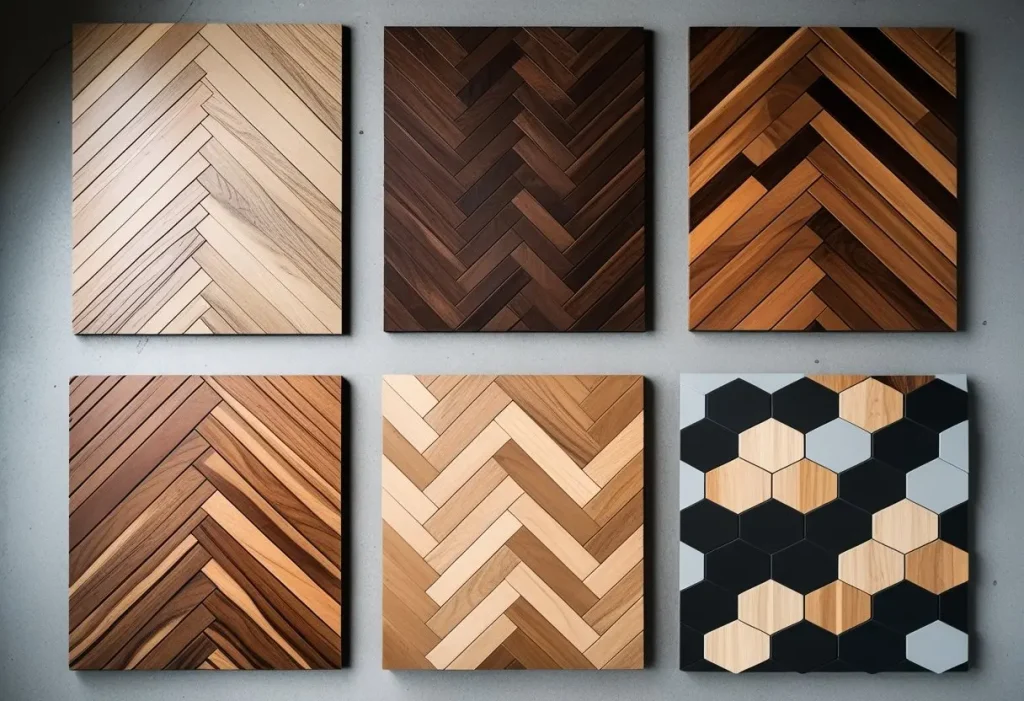
The pattern is the soul of your parquet floor. Each design carries its own rhythm, character, and impact on the perception of space.
1. Herringbone
The quintessential parquet pattern. Rectangular blocks are laid at a 90-degree angle to each other, creating a elegant, broken zigzag effect. It’s less formal than chevron and works brilliantly to lead the eye down a hallway or elongate a room flooring wood parquet.
- Best for: Living rooms, entryways, dining rooms. Pairs beautifully with both traditional and modern furniture flooring wood parquet.
2. Chevron
Similar to herringbone but with blocks cut at an angle (usually 45 degrees) to form continuous, sharp V-shapes or arrowheads. It creates a more dynamic, uniform, and formal look flooring wood parquet.
- Best for: Spaces where you want to make a bold, graphic statement. Excellent in open-plan areas flooring wood parquet.
3. Basketweave
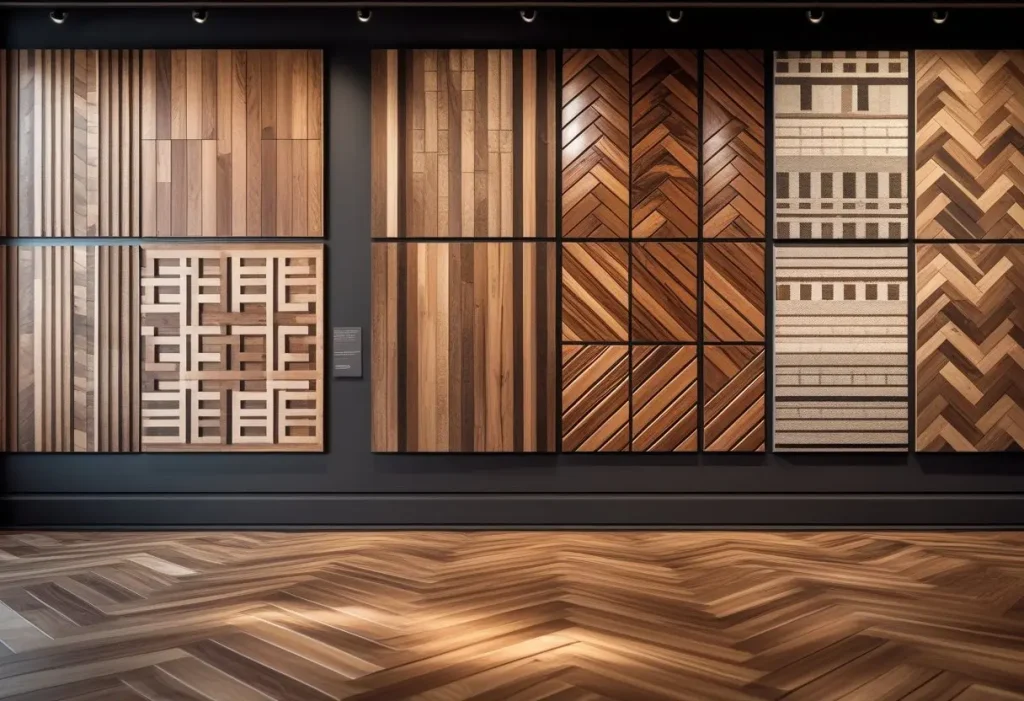
Blocks are arranged to mimic the weave of a basket, creating a grid-like pattern of alternating squares. It offers a subtler, more textured look than herringbone flooring wood parquet.
- Best for: Studies, libraries, and sunrooms. Adds warmth and texture without overwhelming the space flooring wood parquet.
4. Versailles Pattern
A grand, classic design originating from French palaces. It features a square panel framed by a border, with smaller geometric patterns inside. It speaks of unparalleled luxury and complexity flooring wood parquet.
- Best for: Large, formal spaces like grand foyers, ballrooms, or master suites in spacious homes flooring wood parquet.
5. Modern & Custom Mosaics
Contemporary design has embraced parquet, leading to patterns like hexagons, asymmetrical designs, and mixed-media layouts incorporating different woods or materials flooring wood parquet.
- Best for: Creating a unique, personal statement in modern kitchens, boutique retail spaces, or creative studios flooring wood parquet.
Choosing the Right Wood Species for Your Parquet
The wood species determines not only the color but also the hardness, grain pattern, and how the floor will age over time. The Janka Hardness Scale measures a wood’s resistance to denting and wear—a crucial factor for high-traffic areas flooring wood parquet.
Popular Hardwoods for Parquet:
| Wood Species | Janka Hardness | Color & Grain | Key Characteristics |
|---|---|---|---|
| White Oak | 1360 | Light to medium brown, subtle grain. | Extremely durable, versatile, takes stains beautifully. The industry standard for quality. |
| European Oak | 1360 | Similar to white oak, often more character. | Prized for its prominent grain patterns and knots (“character grade”). Warm, traditional feel. |
| Walnut | 1010 | Rich, dark chocolate brown with straight grain. | Softer but stunning. Offers deep, luxurious color. Best for lower-traffic, formal areas. |
| Maple | 1450 | Pale, creamy white with minimal grain. | Very hard and scratch-resistant. Creates a bright, clean, modern look. |
| Ash | 1320 | Light, similar to oak but with a more pronounced grain. | Tough, elastic, and visually striking. Good for contemporary spaces. |
| Exotic Woods (e.g., Ipe, Tigerwood) | 3500+ | Varies widely, often rich reds or browns. | Exceptionally hard and durable. Unique, dramatic appearance. Requires specialist installation. |
Engineered vs. Solid Wood Parquet: Making the Informed Choice
This is a critical decision that affects installation, stability, and cost flooring wood parquet.
- Solid Wood Parquet: Made from solid pieces of hardwood. Can be sanded and refinished many times (5+ cycles), offering a lifespan of 75-100 years. It is more susceptible to expansion and contraction with humidity changes flooring wood parquet.
- Engineered Wood Parquet: Consists of a top layer of real hardwood (the wear layer) bonded to multiple layers of plywood or HDF. It provides superior dimensional stability, making it suitable for basements, over concrete subfloors, and with some radiant heating systems. The refinishing potential depends on the thickness of the wear layer (typically 1-6mm) flooring wood parquet.
Expert Recommendation: For most modern homes, especially those with concrete subfloors or variable humidity, a high-quality engineered wood parquet with a thick (4mm+) wear layer offers the perfect balance of classic beauty, practical stability, and long-term refinishing potential flooring wood parquet.
The Professional Installation Process: What to Expect
Proper installation is paramount for the performance and longevity of your wood parquet floor. Cutting corners here can lead to squeaks, gaps, or buckling flooring wood parquet.
Step-by-Step Overview:
- Site Assessment & Acclimation: A professional will check subfloor moisture levels. The wood must then acclimate in the room for 5-7 days to adjust to the home’s temperature and humidity.
- Subfloor Preparation: The subfloor must be clean, level, dry, and structurally sound. Any imperfections are corrected.
- Layout & Planning: The installer will plan the pattern layout, often starting from the center of the room to ensure symmetry and balance at the edges flooring wood parquet.
- Installation Method:
- Glue-Down (Most Common): Adhesive is applied to the subfloor, and each wood block is firmly set into place. Essential for concrete subfloors and provides a solid, quiet feel flooring wood parquet.
- Nail-Down: Used for wooden subfloors. Blocks are blind-nailed at an angle through the tongue.
- Floating: Boards are glued or locked together but not attached to the subfloor. Requires an underlayment and is more common with engineered products.
- Sanding & Finishing (for unfinished wood): The entire floor is sanded to a perfectly smooth, even surface. Then, the chosen stain (if any) and protective finish (oil-based or water-based polyurethane, hardwax oil) are applied in multiple coats.
- Final Inspection & Curing: The finish requires time to fully cure (often 24-72 hours before light use, longer for full cure).
Caring for Your Investment: Maintenance & Longevity
A well-maintained wood parquet floor is a legacy feature. Follow these expert care guidelines:
Daily & Weekly Care:
- Sweep/Dry Mop: Use a soft-bristle broom or microfiber dust mop daily to remove abrasive grit and dust.
- Damp Mopping: For deeper cleaning, use a well-wrung microfiber mop dampened with a pH-neutral, hardwood floor cleaner. Never soak the floor or use steam mops, which can force moisture into the seams and damage the wood flooring wood parquet.
Protective Measures:
- Felt Pads: Place high-quality felt pads under all furniture legs.
- Rugs & Mats: Use walk-off mats at exterior doors and area rugs in high-traffic zones. Ensure they have a breathable, non-rubber backing to prevent discoloration.
- Humidity Control: Maintain indoor relative humidity between 30% and 50% using a humidifier in winter and a dehumidifier or A/C in summer to prevent excessive expansion or contraction flooring wood parquet.
Addressing Damage:
- Minor Scratches: Use a matching hardwood floor touch-up pen or wax filler.
- Deeper Scratches/Dents: For solid wood and thick-engineered planks, spot sanding and refinishing by a professional is possible.
- Full Refinishing: When the entire floor shows wear, it can be professionally sanded down and refinished. Solid wood can endure this many times; engineered wood depends on wear layer thickness flooring wood parquet.
Cost Analysis: Budgeting for Your Wood Parquet Floor
The investment for wood parquet flooring varies widely based on material, pattern complexity, and installation.
- Material Cost (per sq. ft.):
- Engineered Parquet: $8 – $15
- Solid Wood Parquet: $10 – $20+
- Exotic/Custom Patterns: $15 – $30+
- Installation Cost (per sq. ft.): $5 – $12+ (Herringbone/Chevron is more labor-intensive than simpler mosaics).
- Additional Costs: Subfloor repair ($2-$5/sq. ft.), removal of old flooring ($1-$4/sq. ft.), baseboards, transitions.
A Note on Value: While the upfront cost is higher than laminate or vinyl, a quality wood parquet floor is a long-term asset that enhances home value and can last a lifetime with proper care flooring wood parquet.
Design Inspiration: Integrating Parquet into Your Home
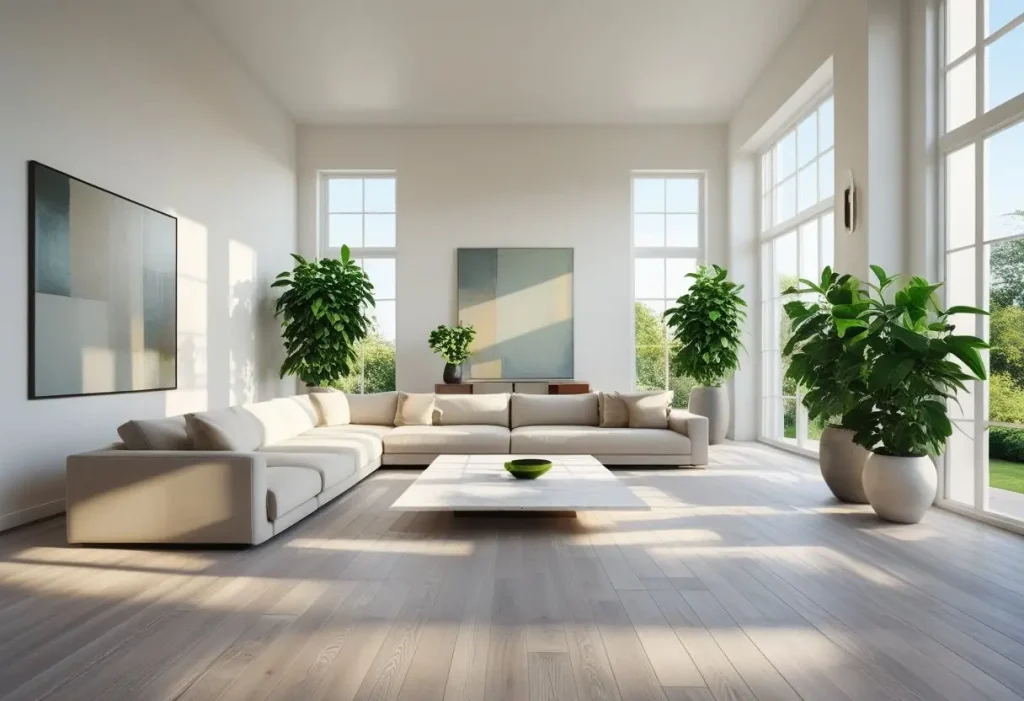
Living Room: A light oak herringbone can make a room feel larger and brighter. Pair with rich, textured rugs and contemporary furniture for a balanced look flooring wood parquet.
Kitchen: Consider a durable, engineered chevron in a wood with a strong grain (like European oak) to hide minor scuffs. Ensure a compatible, high-performance finish is used.
Bedroom: A dark walnut Versailles pattern in a master suite creates an intimate, luxurious sanctuary.
Hallway: Use a classic basketweave or straight-laid parquet to create a timeless, welcoming path through your home flooring wood parquet.
Off-Page SEO & Authority Building Strategy for This Content
This guide is engineered not just to inform, but to become a linkable, shareable asset that builds the domain authority of cozynestdecor.pro.
Natural Link-Earning Potential:
- Resource for Journalists: Serves as a definitive reference for home design and renovation writers at publications like Architectural Digest, House Beautiful, or Real Homes.
- Backlink from Industry Sites: High-quality, non-commercial information makes it a candidate for citation by flooring associations (e.g., National Wood Flooring Association – NWFA), wood supplier blogs, and interior design schools.
- Local Contractor Collaboration: Can be shared by local high-end flooring installers with their clients as an educational resource, fostering potential business partnerships.
Social Sharing Optimization:
- Pinnable Images: Each image is created to be visually striking and informative, perfect for sharing on Pinterest, a key driver of home decor traffic.
- Quote Highlights: Key insights and statistics are easily extractable for sharing on Twitter, LinkedIn, and Facebook.
- Video Potential: The detailed processes (e.g., installation, maintenance) outlined here can be the script basis for a high-performing YouTube video, driving cross-platform engagement flooring wood parquet.
Brand Authority Signals:
- Demonstrates E-E-A-T: The depth, practical advice, and balanced cost/benefit analysis showcase Experience and Expertise. Clear sourcing of material facts (Janka scale, installation methods) builds Trustworthiness.
- Solves Complex User Intent: This content directly answers the informational, commercial, and navigational intent behind “flooring wood parquet,” positioning CozyNestDecor.pro as a subject-matter expert, not just a retailer.
Frequently Asked Questions (FAQs) About Wood Parquet Flooring
1. Is wood parquet flooring outdated?
Absolutely not. While it has historical roots, parquet is experiencing a major resurgence in modern interior design. Contemporary interpretations with lighter finishes, wider blocks, and innovative patterns make it a fresh and sought-after choice for designers today.
2. Can you install wood parquet flooring over concrete?
Yes, but it requires specific methods. Engineered wood parquet is the best choice for concrete subfloors. It must be installed using a glue-down method with a moisture-test-approved adhesive, and a vapor barrier is often recommended. Solid wood is generally not advised for below-grade or concrete installations.
3. Is parquet more expensive than regular hardwood flooring?
Typically, yes. The intricate patterns require more labor to manufacture and install. Material costs can also be higher due to the precision cutting. However, the cost is comparable to other premium flooring options and is justified by its unique aesthetic and durability.
4. How do you clean and maintain wood parquet floors?
Regular sweeping with a soft broom and weekly damp mopping with a well-wrung microfiber mop and a pH-neutral hardwood floor cleaner is essential. Avoid water, steam mops, and harsh chemicals. Use felt pads under furniture and maintain stable indoor humidity.
5. Can parquet floors be refinished?
Solid wood parquet can be sanded and refinished multiple times. Engineered parquet can also be refinished, but the number of times depends entirely on the thickness of the top wear layer (look for at least 4mm for future refinishing potential).
6. What is the difference between herringbone and chevron parquet?
The key difference is in the cut of the block. Herringbone uses rectangular blocks laid perpendicularly, creating a broken zigzag. Chevron uses blocks with angled ends (usually 45 degrees) that meet to form a continuous, straight “V” or arrowhead pattern.
7. Is parquet flooring good for kitchens?
Yes, with the right precautions. Choose a durable wood species like oak or maple, ensure it has a high-performance, water-resistant finish (like a commercial-grade polyurethane or hardwax oil), and clean spills immediately. Engineered wood offers better stability in potentially humid environments.
8. How long does wood parquet flooring last?
With proper installation, care, and maintenance, a high-quality wood parquet floor can last 50 years or more. Solid wood parquet can last over a century, as it can be refinished repeatedly to look new.
9. Does parquet make a room look bigger or smaller?
It depends on the pattern and direction. Herringbone and chevron laid lengthwise can effectively elongate a room. Lighter wood colors also help a space feel more open. Busy, dark patterns in a small room can feel overwhelming if not balanced with light walls and simple furnishings.
10. Can parquet be used with underfloor heating?
Yes, engineered wood parquet is generally compatible with radiant heating systems. Crucially, you must confirm the specific product is rated for use with underfloor heat, follow the installer’s guidelines for maximum temperature, and ensure the system is turned on gradually at the start of the season.
Ready to explore how wood parquet flooring can transform your home? At CozyNestDecor.pro, we believe your floor is the foundation of your story. For more inspiration on bringing timeless design into modern living, explore our curated guides on Sustainable Hardwood Choices or Modern Rustic Interior Design Principles.
Disclaimer: This guide is for informational purposes. Always consult with qualified flooring professionals for assessments, installations, and advice specific to your home’s conditions and local climate.