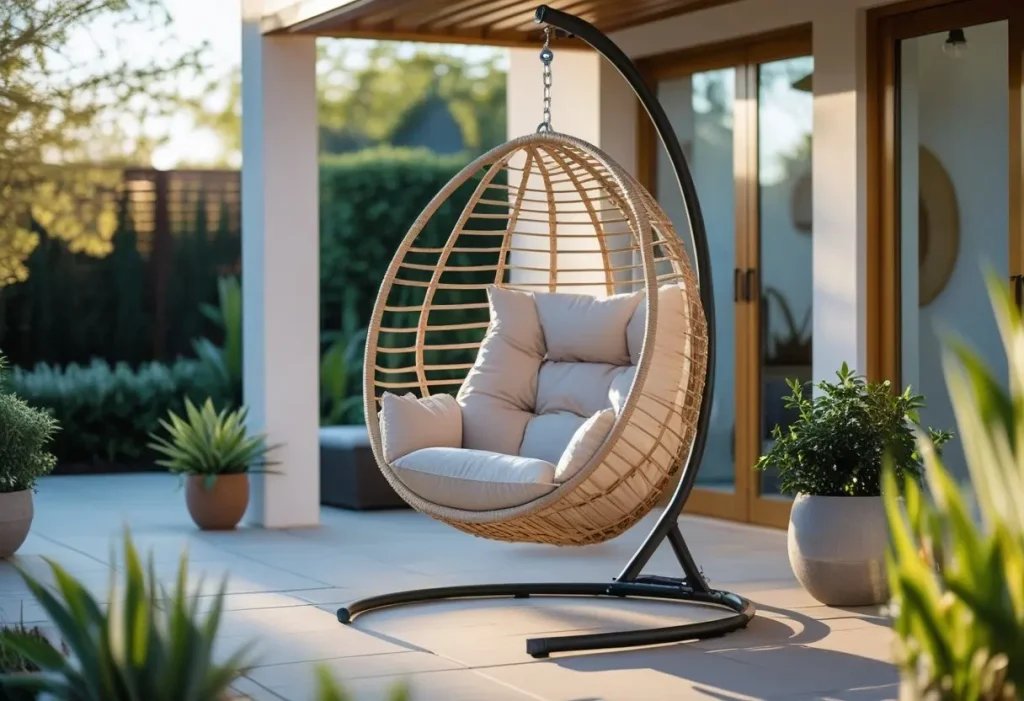
Imagine a cozy nook in your home or a serene spot in your garden where you can gently sway, curl up with a book, or simply lose yourself in thought. This isn’t just a daydream; it’s the transformative experience offered by the iconic Hanging Egg Chair.
More than just a piece of furniture, a Hanging Egg Chair is a sanctuary of comfort, a timeless style statement, and a functional art piece all in one. Its captivating, cocoon-like design offers an escape from the ordinary, inviting you to relax in luxury and serenity. As House Beautiful highlights, hanging chairs have become a must-have in modern interiors for their blend of aesthetics and comfort. In this ultimate guide, we explore the history, benefits, and trending styles of the Hanging Egg Chair to help you choose, style, and enjoy the perfect one for your space. For more inspiration, visit our Home Decor Ideas or check our Living Room Decor collections for elegant pairing suggestions.
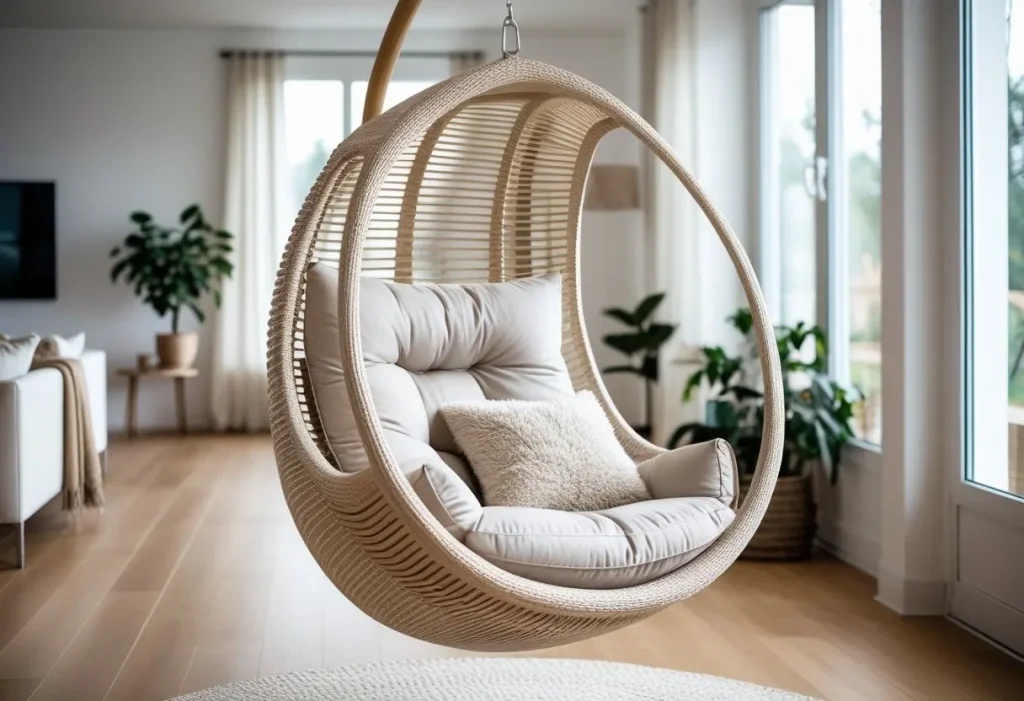
A Brief History: From Retro Futurism to Modern Mainstay
The Hanging Egg Chair, as we know it today, is a direct descendant of one of the most famous chairs in design history: the Egg Chair. Its origins are rooted in the mid-20th century, a period of explosive innovation in architecture and furniture design. In 1958, Danish design legend Arne Jacobsen created the original Egg Chair for the Radisson SAS hotel in Copenhagen. It was a revolutionary piece—a sculptural, organic form that provided privacy and comfort, a stark contrast to the rigid, boxy furniture of the previous era.
While Jacobsen’s design was grounded, the concept of a suspended, swinging seat has ancient roots, from hammocks to porch swings. The fusion of these two ideas—the sculptural, enveloping form of the egg and the relaxing motion of a swing—gave birth to the Hanging Egg Chair.
It gained immense popularity during the 1960s and 70s, perfectly capturing the spirit of retro futurism. After a period of being a niche item, it has made a massive comeback in the last decade, championed by the bohemian and modern farmhouse décor movements. Today’s Hanging Egg Chair is a versatile icon, available in countless materials and styles to suit any aesthetic, proving that great design is truly timeless.
Why Choose a Hanging Egg Chair? The Unmatched Benefits
Investing in a Hanging Egg Chair is about more than just adding a seat; it’s about enhancing your quality of life and the aesthetic value of your home. Let’s break down the core benefits that make this piece so desirable.
A Statement of Style and Elegance
A Hanging Egg Chair is an undeniable focal point. Its unique, sculptural silhouette immediately draws the eye and elevates the entire décor of a room. Whether you choose a natural rattan piece for a boho vibe or a sleek acrylic model for a modern touch, it communicates a keen eye for design. It’s a piece that sparks conversation and demonstrates a commitment to creating a curated, intentional living environment. Unlike a standard armchair, it adds dynamic visual interest and a sense of playful sophistication.
Unparalleled Comfort and Ergonomics
The design of a Hanging Egg Chair is inherently comfortable. The cocooning shape provides a sense of privacy and security, while the suspended nature allows for a gentle, soothing rocking motion. This motion is instinctively calming, reminiscent of being rocked as a child. Furthermore, the ergonomic curve of a well-designed chair supports your back and contours to your body, making it an ideal spot for prolonged reading, meditation, or even an afternoon nap. Paired with deep, plush cushions, it creates a comfort experience that is difficult to match with conventional seating.
Versatility in Placement and Function
The versatility of the swing egg chair is one of its strongest assets. It functions beautifully both indoors and outdoors. Indoors, it can create a dedicated reading corner in a bedroom, a cozy conversation spot in a living room, or a relaxing perch in a sunroom. Outdoors, it transforms a patio, deck, or garden into a personal resort. Its function is also fluid: it can be a solo relaxation pod, a cozy spot for two to chat, or simply a stunning decorative element when not in use.
A Sanctuary for Mental Wellbeing
In our fast-paced, always-connected world, having a dedicated space for decompression is crucial. The Hanging Egg Chair provides exactly that. The gentle swinging motion has been shown to reduce stress and anxiety, promoting a state of mindfulness and relaxation. It creates a physical boundary—a “room within a room”—that helps you mentally disconnect and recharge. This chair becomes your personal retreat, a place to unwind without distractions, making it a valuable investment not just for your home, but for your mental health.
Exploring the World of Hanging Egg Chair Styles and Designs
The aesthetic of your Hanging Egg Chair will largely define the mood of your space. Understanding the different materials and design styles is key to making a choice that complements your existing décor.
Material Matters: Rattan, Wicker, and Synthetic Alternatives
Natural materials are the classic choice for a Hanging Egg Chair, with rattan being the most popular.
- Rattan & Wicker: Rattan is a solid, vine-like palm, making it incredibly strong and durable. “Wicker” is not a material but the weaving technique often used with rattan. A rattan Hanging Egg Chair offers a warm, organic, and textured look that is perfect for bohemian, coastal, or tropical themes. It’s lightweight yet robust. However, for outdoor use, natural rattan requires protection from constant direct sunlight and moisture to prevent fading and brittleness.
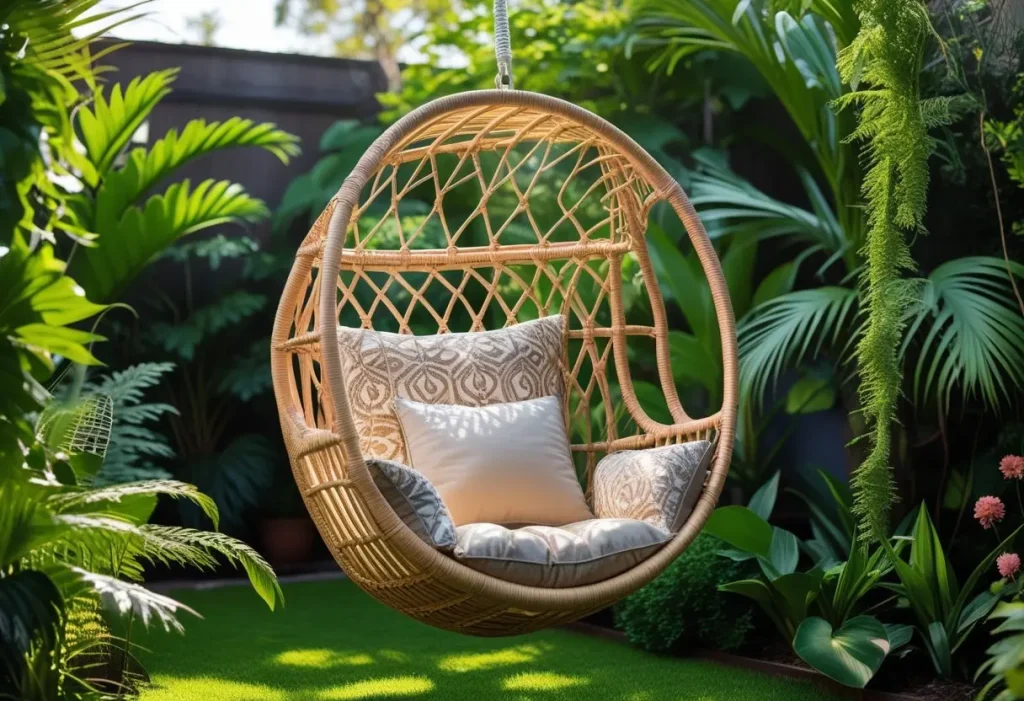
- Synthetic Rattan (PE Rattan): For an outdoor egg chair, synthetic polyethylene (PE) rattan is often the superior choice. It is UV-resistant, waterproof, and designed to withstand the elements without cracking or fading. The weaving can be incredibly realistic, offering the aesthetic appeal of natural rattan with vastly improved durability for patios and gardens.
- Rope & Macramé: For a softer, more artisanal look, chairs made from thick cotton or synthetic rope are available. Macramé hangers add a intricate, 70s-inspired boho touch, perfect for nurseries or cozy indoor corners.
The Modern Metal and Acrylic Egg Chairs
For those with a more contemporary or industrial taste, other materials offer a striking alternative.
- Metal: Powder-coated steel or aluminum frames create a sleek, minimalist silhouette. These are often seen in designs where the frame is a prominent part of the aesthetic, forming geometric patterns around a simpler cushion. They are extremely durable and ideal for both modern indoor spaces and protected outdoor areas.
- Acrylic & Plastic: Transparent or tinted acrylic Hanging Egg Chairs have become a trendy option for those who want to make a bold statement without visual heaviness. They create a “floating” effect that is perfect for maintaining an airy, open feel in smaller spaces. Their futuristic look pairs well with minimalist and Scandinavian interiors.
Design Styles: From Bohemian to Mid-Century Modern
The material choice directly influences the design style.
- Bohemian: Characterized by natural materials like rattan, macramé hangers, and an abundance of textured cushions and throws.
- Mid-Century Modern: Echoes the original Arne Jacobsen design with clean lines, an organic form, and often a swivel base instead of a hanging version. The hanging versions in this style tend to have a more structured pod-like shape.
- Coastal/Hamptons: White or light-colored wicker or PE rattan, paired with blue and white striped cushions, evokes a fresh, nautical feel.
- Scandinavian: Focuses on simplicity, functionality, and light colors. Think a white pod chair with a single, neutral-toned cushion and a light wood ceiling beam.
- Industrial: Utilizes black or gunmetal metal frames with a distressed leather or dark fabric cushion.
The Ultimate Hanging Egg Chair Buying Guide
With so many options available, making a purchase can feel overwhelming. This comprehensive buying guide will walk you through the critical factors to consider.
Indoor vs. Outdoor: Making the Right Choice
This is the most fundamental decision.
- Indoor Hanging Egg Chair: For indoor use, you have the widest range of material choices. Delicate materials like paper cord, certain woods, and plush fabrics that wouldn’t survive the elements are all viable. Your primary concerns will be aesthetic cohesion, ceiling height, and weight capacity relative to your home’s structure.
- Outdoor Hanging Egg Chair: For outdoor use, durability is paramount. Look for chairs made from all-weather wicker (PE rattan), rust-proof aluminum, or powder-coated steel. The cushions should be made from weather-resistant fabrics like Sunbrella, which are solution-dyed to resist fading and are easy to clean. Always check the product specifications to ensure it is rated for outdoor use. If you lack a sturdy overhead structure, an outdoor egg chair with a stand is a mandatory and convenient solution.
Key Considerations: Size, Weight Capacity, and Dimensions
Never underestimate the importance of measurements.
- Space: A Hanging Egg Chair needs room to swing. Measure the height, width, and depth of the space where you intend to place it. Remember to account for the chair’s arc of motion. As a rule of thumb, you need at least 3 feet of clearance on all sides.
- Chair Dimensions: Check the product’s height, width, and depth. Is it a spacious, two-person “swing egg chair” or a more compact solo model?
- Weight Capacity: This is a critical safety factor. Most quality chairs support between 250-350 lbs (115-160 kg). Always choose a chair with a weight limit that safely exceeds the weight of the heaviest person who will use it. Do not exceed the manufacturer’s stated limit.
Cushions and Comfort: The Inside Story
The cushions are what you directly interact with, so their quality is non-negotiable.
- Fill Material: High-density foam is the gold standard for comfort and longevity. It provides firm support that doesn’t flatten over time. Avoid chairs with thin, cheap polyester fiberfill that will quickly lose its shape.
- Fabric: For indoors, look for soft, durable fabrics like cotton, linen, or velvet. For outdoors, solution-dyed acrylics (e.g., Sunbrella) or polyester blends designed for outdoor use are essential. They are mold-mildew resistant and easy to clean.
- Removability: Ensure the egg chair cushion covers are removable and machine washable for easy maintenance. Zippered covers are a sign of a quality product.
Understanding Frame and Suspension Systems
The integrity of the chair depends on its structure.
- Frame: The internal or external frame should be made of sturdy steel, aluminum, or solid rattan. Inspect product images and descriptions for frame material. A weak frame is a safety hazard.
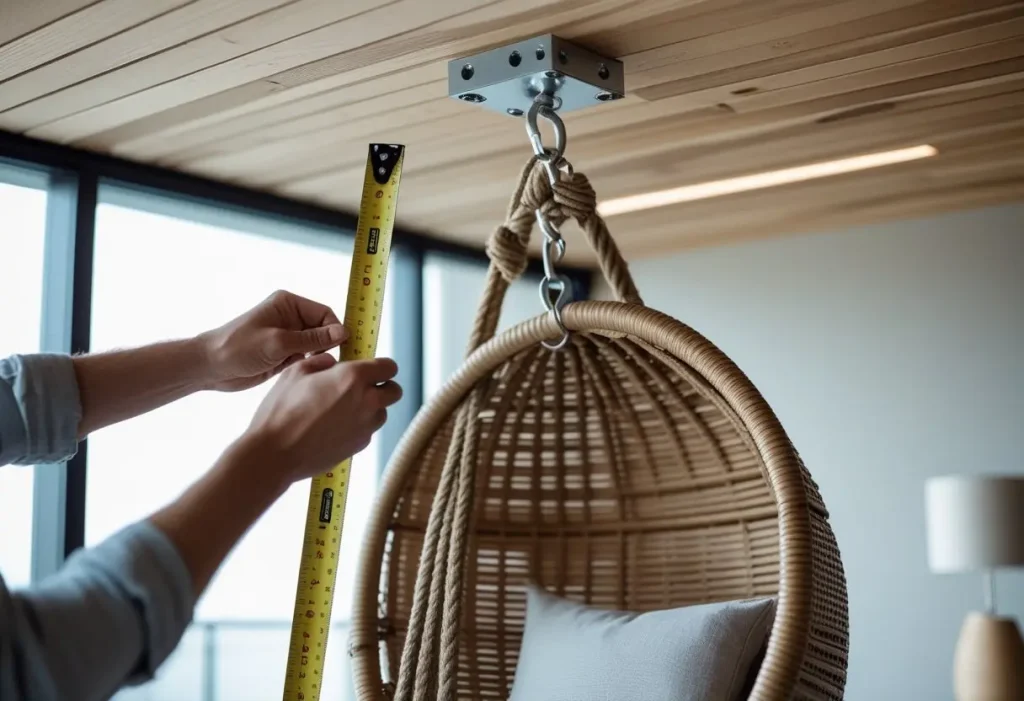
- Suspension: The chair must be suspended by a strong, reliable system. This typically involves a robust metal carabiner or swivel hook attached to a aircraft-grade steel cable or strong metal chain. The suspension hardware is what connects the chair to the ceiling hook or stand, so its quality cannot be compromised. A smooth-swiveling mechanism allows the chair to rotate freely.
Safety First: Proper Installation and Maintenance of Your Hanging Egg Chair
The dream of a relaxing swing can quickly turn into a nightmare if safety is overlooked. Proper installation is the most critical step in the entire process.
Choosing the Right Location: Ceiling, Stand, or Beam?
You have three main options for where to hang your chair:
- From a Ceiling Joist: This is the most permanent and aesthetically clean option for indoors. It requires locating a solid ceiling joist (not just drywall) and installing a heavy-duty ceiling hook specifically rated for dynamic loads (swinging). A joist finder is an essential tool for this.
- From a Freestanding Stand: This is the most flexible and popular option, especially for outdoors or for renters who cannot modify their ceilings. Ensure you purchase a stand specifically designed for your chair model and that its weight capacity matches or exceeds that of the chair. The stand should be on a flat, level surface.
- From an Overhead Beam or Pergola: For outdoor settings, a sturdy, load-bearing pergola beam or a strong tree branch (use caution and a professional opinion for trees) can be an ideal spot. The same principles apply: use a heavy-duty outdoor-rated hook and ensure the structure is sound.
The Installation Process: A Step-by-Step Guide
If you are installing a ceiling hook, follow these steps meticulously. When in doubt, consult a professional.
- Step 1: Locate the Joist. Use a stud finder to locate a solid wooden or concrete joist. Do not anchor into drywall alone.
- Step 2: Select the Right Hardware. Purchase a ceiling hook kit designed for swings or hammocks. It should include a bolt or eye screw that screws directly into the joist.
- The hardware must be rated for a weight significantly higher than the combined weight of the chair and its occupant (aim for a rating of at least 200-300 lbs / 90-135 kg more than your calculated weight).
- Step 3: Drill and Install. Drill a pilot hole slightly smaller than the diameter of your hook’s screw. Screw the hook firmly into the center of the joist until it is secure. It should not wiggle or feel loose.
- Step 4: Connect the Chair. Attach the chair’s suspension carabiner to the ceiling hook. Ensure the carabiner is locked securely.

Weight Limits and Safety Checks
- Respect the Limit: Adhere strictly to the manufacturer’s maximum weight capacity.
- Regular Inspections: Periodically check all components for signs of wear, stress, or damage. This includes the ceiling hook (for looseness), the carabiner (for cracks), the chain or rope (for fraying), and the frame (for cracks, especially in rattan). A quick monthly check can prevent accidents.
- Test Before Use: Before sitting down, give the chair a gentle pull to confirm its stability.
Styling Your Space: Creative Hanging Egg Chair Décor Ideas
Now for the fun part: integrating your new chair into your home’s décor. The Hanging Egg Chair is incredibly photogenic and can be the star of any room.
Indoor Oasis: Living Room, Reading Nook, and Sunroom
- Living Room: Place your chair in a sunny corner next to a bookshelf and a floor lamp. It instantly creates a inviting reading spot and becomes a conversation piece. In a larger living room, it can float in the space, defining a separate seating area.
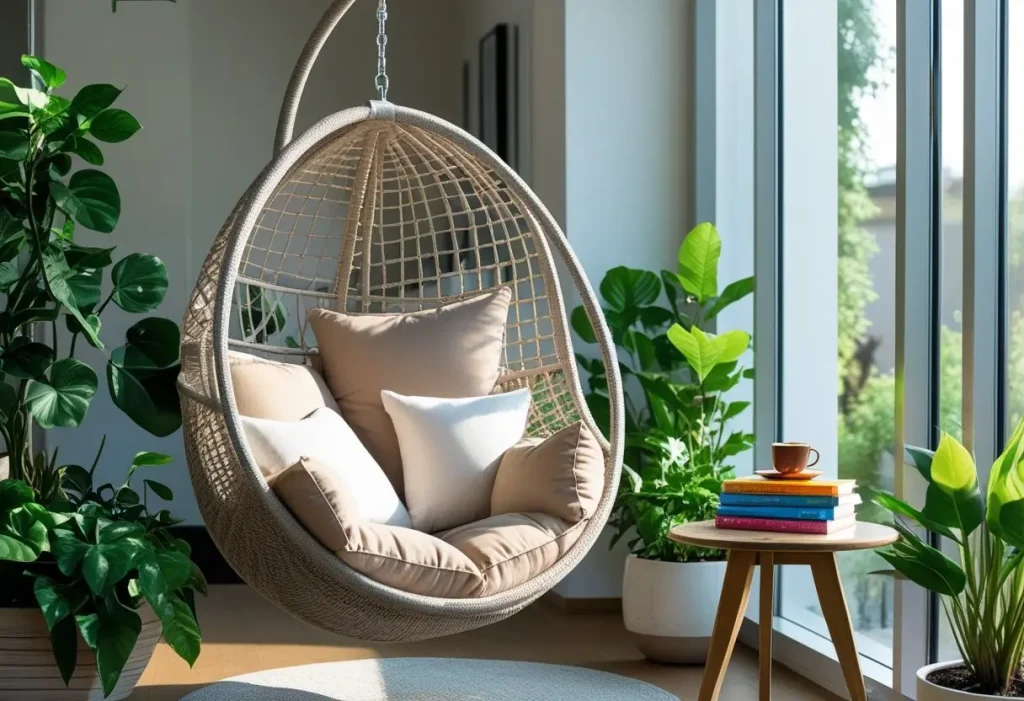
- Reading Nook: This is the perfect application. Tuck the chair into a bay window or an underutilized corner. Add a small side table for your tea and a soft, warm throw blanket. The cocooning effect is ideal for getting lost in a good book.
- Bedroom: Create a personal retreat within your retreat. A Hanging Egg Chair at the foot of your bed or by a window offers a place to relax that isn’t your bed, helping to maintain healthy sleep hygiene.
- Sunroom or Conservatory: This is a match made in heaven. The airy, light-filled nature of a sunroom complements the open, organic feel of a rattan or acrylic chair perfectly.
Outdoor Paradise: Patio, Garden, and Balcony
- Patio: Center your outdoor seating area around a beautiful outdoor egg chair. Pair it with a matching sofa and a coffee table to create an inviting outdoor living room.
- Garden: Hang your chair from a sturdy stand placed on the lawn, under a tree, or on a deck. It becomes a peaceful spot to enjoy your garden, listen to the birds, and unwind.
- Balcony: Even a small balcony can accommodate a compact Hanging Egg Chair. It maximizes seating without taking up valuable floor space, making the balcony feel like a luxurious extension of your home.
Accessorizing Your Chair: Throws, Pillows, and Rugs
Accessories are the key to personalizing your chair and maximizing comfort.
- Pillows and Cushions: Layer your egg chair cushion with additional throw pillows in various sizes, textures, and patterns. Mix and match to reflect your style—bohemian prints, solid colors, or geometric patterns.
- Throws and Blankets: Drape a chunky knit or a soft faux fur throw over the arm (or side) of the chair. It’s both a stylish accessory and a practical item for cooler evenings.
- Rugs: Define the space under your chair with a stylish rug. This is especially important outdoors on a hard patio surface, as it adds warmth and texture underfoot.
Care and Maintenance: Keeping Your Hanging Egg Chair Pristine
With proper care, your Hanging Egg Chair will remain beautiful and functional for years.
- Rattan & Wicker (Indoor): Dust regularly with a soft brush or a vacuum with a brush attachment. For deeper cleaning, wipe with a damp cloth and mild soapy water, then dry immediately. Avoid excessive moisture.
- Synthetic PE Rattan (Outdoor): Clean with a mild soap solution and a soft brush. Rinse with a garden hose (on a gentle setting) and allow to air dry. While weather-resistant, it’s best to use a protective cover during harsh weather or winter months.
- Cushions: For outdoor cushions, spot clean with a mild detergent and water. Most removable covers can be machine-washed on a gentle cycle. Always allow cushions to dry completely before putting them back on the chair to prevent mold.
- Metal Frames: Wipe down with a damp cloth. For outdoor metal, check for any signs of rust or chipping paint annually and touch up as needed.
- Storage: For prolonged harsh weather, consider storing the chair and cushions indoors or in a dry shed. If left outside, a high-quality, breathable waterproof cover is essential.
Frequently Asked Questions (FAQs) About Hanging Egg Chairs
1. What is a Hanging Egg Chair?
A Hanging Egg Chair is a type of suspended seating characterized by its distinctive, cocoon-like “egg” shape. It typically features a woven or solid shell that provides a sense of enclosure and is hung from a ceiling, stand, or beam via a chain or rope.
It’s designed for relaxation, often accompanied by comfortable cushions, and provides a gentle swinging motion. It serves as both a highly comfortable seat and a striking piece of statement furniture in home décor.
2. How do I choose the best Hanging Egg Chair?
Choosing the best chair depends on your needs. First, decide if it’s for indoor or outdoor use, as this dictates the material (e.g., natural rattan for indoors, synthetic PE rattan for outdoors).
Next, measure your space to ensure a proper fit with adequate clearance. Consider weight capacity, comfort (cushion quality and fill), and your aesthetic preferences (bohemian, modern, etc.). Finally, factor in your budget and read reviews from verified purchasers.
3. What’s the difference between an indoor and outdoor Hanging Egg Chair?
The primary difference is in the materials’ durability. Outdoor Hanging Egg Chairs are constructed from all-weather materials like UV-resistant synthetic wicker (PE rattan), powder-coated or aluminum frames, and weatherproof cushions with solution-dyed acrylic fabric. Indoor chairs can use more delicate materials like paper cord, certain woods, and standard indoor fabrics that are not designed to withstand sun, rain, or temperature fluctuations.
4. How much weight can a Hanging Egg Chair hold?
Weight capacity varies by model and manufacturer. Standard weight limits typically range from 250 to 350 pounds (115 to 160 kg). However, some heavy-duty models can support up to 400-500 lbs. It is absolutely crucial to check the specific product’s weight limit before purchasing and never exceed it. The suspension system and ceiling hardware must also be rated for this dynamic load.
5. How do I install a Hanging Egg Chair safely?
For ceiling installation, you must locate a solid ceiling joist using a stud finder and install a heavy-duty swing hook rated for dynamic loads directly into the joist. Never hang from drywall alone. Follow the manufacturer’s instructions precisely. For a worry-free solution, use a freestanding stand specifically designed for your chair model, ensuring it’s placed on a level surface. If you are unsure, hiring a professional is highly recommended.
6. Can a Hanging Egg Chair hold two people?
Many larger “swing egg chair” models are designed to comfortably seat two people, but you must verify the product’s specifications. The product description will usually state if it’s a “two-person” chair, and the weight capacity must accommodate the combined weight of both individuals. Never assume a chair is for two people; always check the manufacturer’s guidelines to ensure safety.
7. How do I clean and maintain my Hanging Egg Chair?
Maintenance depends on the material. For synthetic wicker, use a mild soap solution and a soft brush, then rinse. For cushions, follow the care label; most outdoor cushion covers are removable and machine washable. Regularly inspect the hardware for rust or wear and the frame for any cracks. Using a protective cover for outdoor chairs will significantly extend their lifespan.
8. What type of cushions are best for a Hanging Egg Chair?
The best cushions feature high-resiliency, high-density foam for lasting comfort and support. The fabric should be appropriate for the location: durable indoor fabrics like cotton or linen for inside, and weather-resistant, quick-drying fabrics like Sunbrella for outside. Removable covers with zippers are ideal for easy cleaning and maintenance.
9. Where is the best place to put a Hanging Egg Chair indoors?
Excellent indoor locations include bright corners in the living room, a dedicated reading nook by a window, a spacious bedroom, or a sunroom. The key is to ensure there is enough space for the chair to swing freely without hitting walls or other furniture—typically at least 3 feet of clearance on all sides.
10. Are Hanging Egg chairs comfortable for long periods?
Yes, when chosen carefully. The ergonomic, enveloping design provides excellent back support, and the gentle rocking motion is inherently soothing. The key to long-term comfort is the quality of the cushion. A chair with a thick, high-density foam cushion will remain comfortable for hours, while one with a cheap, thin cushion will not. It’s a highly personal experience, but generally, they are considered very comfortable.
Conclusion: Elevate Your Home with the Perfect Hanging Egg Chair
The Hanging Egg Chair is far more than a passing trend. It is a timeless piece of design that offers a unique blend of aesthetic appeal, profound comfort, and versatile functionality. It has the power to transform an unused corner into a cherished retreat and a simple patio into a personal oasis. By considering the factors outlined in this guide—from material and style to safety and placement—you are well-equipped to make an informed decision that will bring you joy and relaxation for years to come.
Frequently Asked Questions About Hanging Egg Chairs
What is a Hanging Egg Chair?
A Hanging Egg Chair is a type of suspended seating known for its distinctive, cocoon-like “egg” shape. It usually has a woven or solid shell that creates a sense of privacy and enclosure. It’s hung from a ceiling, a stand, or an overhead beam using a chain or rope. Designed for ultimate relaxation, it often comes with comfortable cushions and provides a gentle, soothing swinging motion, making it both a comfortable seat and a stunning piece of statement furniture.
How do I choose the best Hanging Egg Chair?
Selecting the best chair depends on your specific needs. Start by deciding whether it’s for indoor or outdoor use, as this determines the best material. Then, carefully measure your available space to ensure a good fit with enough room to swing. Key factors to consider include the chair’s weight capacity, the comfort and quality of the cushions, and your personal aesthetic preferences. Finally, set a budget and be sure to read reviews from other customers to make a well-informed decision.
What’s the difference between an indoor and outdoor Hanging Egg Chair?
The main difference lies in the durability of the materials used. Outdoor Hanging Egg Chairs are built from all-weather materials like UV-resistant synthetic wicker (also known as PE rattan), rust-proof aluminum or powder-coated steel frames, and weatherproof cushions. Indoor chairs, on the other hand, can utilize more delicate materials such as paper cord, certain woods, and standard indoor fabrics that are not designed to withstand sun, rain, or extreme temperatures.
How much weight can a Hanging Egg Chair hold?
Weight capacity varies from model to model. Standard limits for most chairs typically range from 250 to 350 pounds (115 to 160 kilograms). Some heavy-duty models are designed to support even more weight. It is absolutely crucial to check the specific weight limit for the product you are considering before you buy it, and you must never exceed this limit. Remember, the suspension hardware and ceiling hook must also be rated for this dynamic, swinging load.
How do I install a Hanging Egg Chair safely?
For a ceiling installation, you must first locate a solid ceiling joist (a support beam) and install a heavy-duty swing hook that is specifically rated for dynamic loads directly into that joist. Never attempt to hang the chair from drywall or plaster alone, as it cannot support the weight. A simpler and highly recommended solution is to use a freestanding stand designed for your chair model, ensuring it is placed on a level, stable surface. If you are at all unsure about the installation process, hiring a professional is the safest choice.
Can a Hanging Egg Chair hold two people?
Many larger models, often called “swing egg chairs,” are indeed designed to comfortably seat two people. However, you must always verify this in the product’s specifications. The description should clearly state if it is a “two-person” chair, and the listed weight capacity must safely accommodate the combined weight of both individuals. Never assume a chair is meant for two people without checking the manufacturer’s guidelines first.
How do I clean and maintain my Hanging Egg Chair?
Maintenance routines depend on the material. For synthetic wicker, clean with a mild soap solution and a soft brush, then rinse with water. For cushions, always follow the care label; most outdoor cushion covers are removable and machine washable. It’s important to regularly inspect all hardware for signs of rust or wear and the frame for any cracks. Using a high-quality protective cover for outdoor chairs will significantly extend their lifespan by shielding them from the elements.
What type of cushions are best for a Hanging Egg Chair?
The best cushions are filled with high-density foam, which provides lasting comfort and support without sagging over time. The fabric should be suited to the chair’s location: use durable indoor fabrics like cotton or linen for inside, and weather-resistant, quick-drying fabrics like Sunbrella for outside. Cushions with removable, zippered covers are ideal for easy cleaning and maintenance.