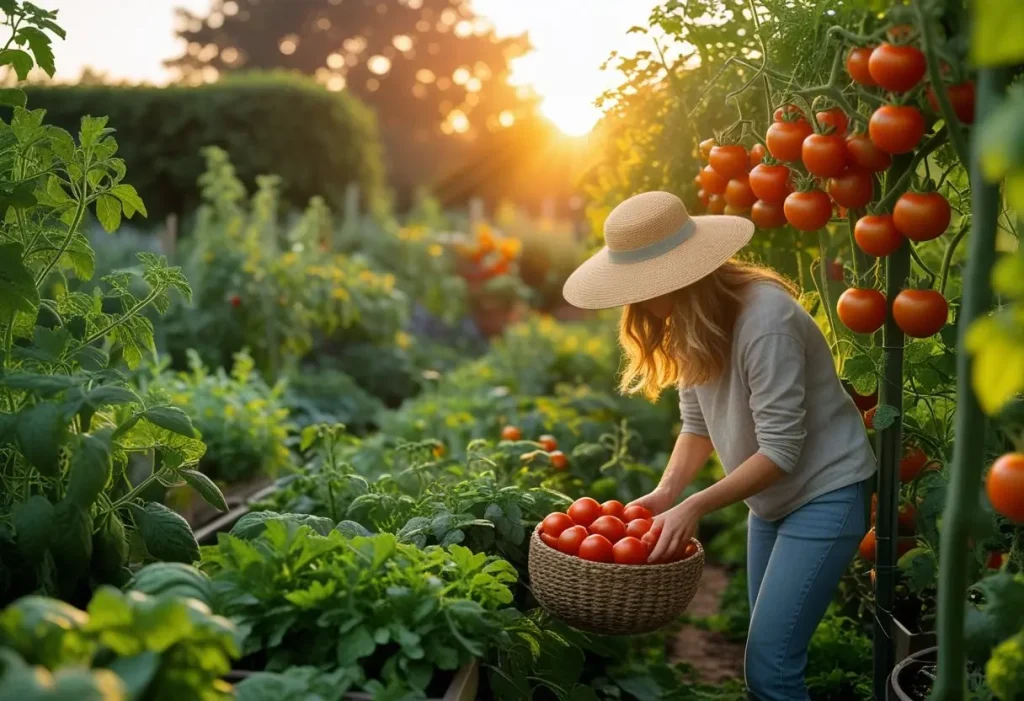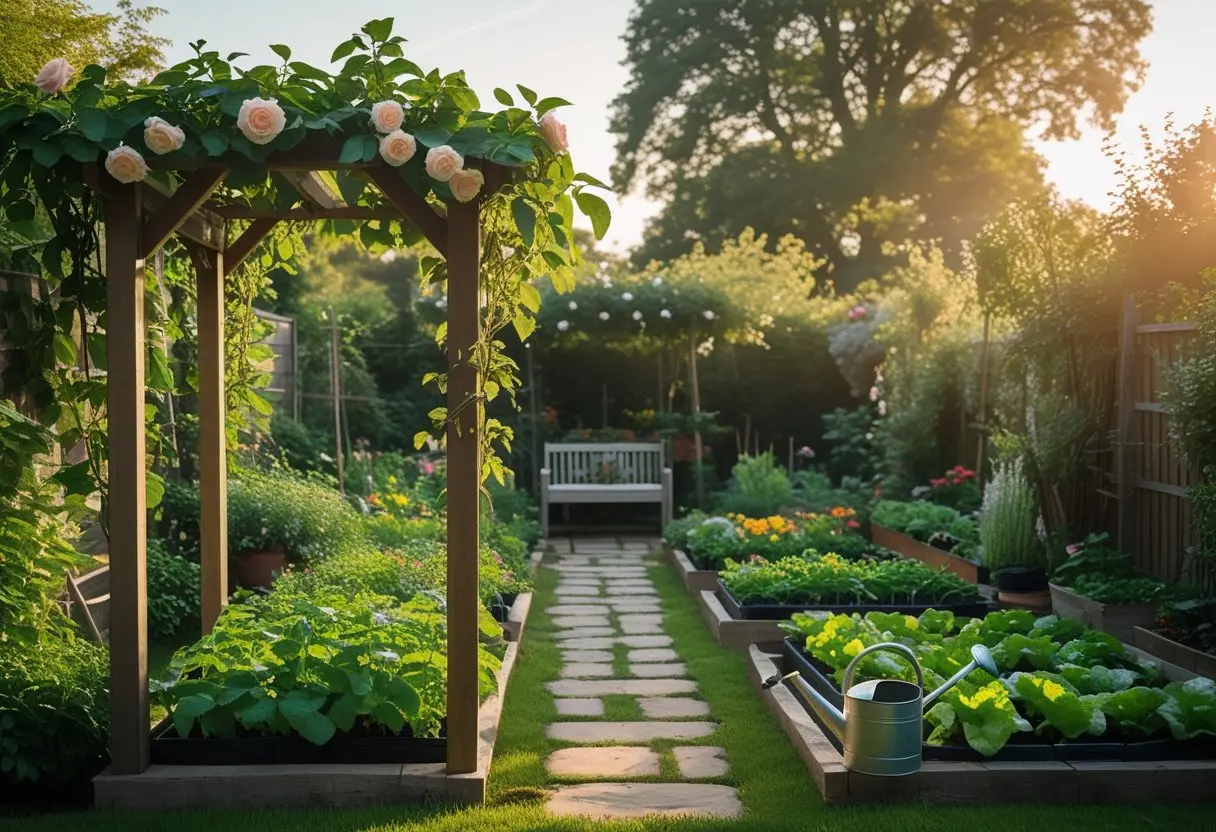
Imagine stepping outside your door into a space that is both a painter’s palette and a pantry. Where the vibrant red of ripe tomatoes contrasts with the silver-green of artemisia, where the structural beauty of clipped boxwood frames patches of fragrant basil and calendula, and where every path leads to both visual serenity and a culinary harvest. This is the magic of the potager garden. Far more than a simple vegetable patch, a potager is a philosophy of living—a seamless integration of home decor, gardening, and sustainable lifestyle into a single, breathtaking outdoor room.
Rooted in French country tradition, the potager (pronounced po-tah-zhay) solves a modern dilemma: the desire for a beautiful, curated outdoor space and the yearning for fresh, homegrown food. It rejects the idea that utility and beauty are separate. In this ultimate guide, we will journey through the history, design principles, and hands-on steps to create your own potager garden. Whether you have a sprawling backyard or a modest balcony, you’ll learn how to craft an edible landscape that nourishes the body, delights the senses, and elevates your entire home’s aesthetic.
A Tapestry of Time: The History and Philosophy of the Potager
To design a true potager, one must first understand its soul. The word itself comes from the French potage, meaning soup, referencing the garden’s original purpose: to provide ingredients for the kitchen. However, its evolution is a story of art meeting agriculture.
The concept flourished during the Renaissance in the gardens of French monasteries and chateaus. These were not hidden plots but central features, designed with order and symbolism. Geometric patterns, often inspired by embroidery and parterre designs, created a sense of harmony and control. This was the garden as a reflection of a divine and logical universe.
The famed potager du roi (the King’s Kitchen Garden) at Versailles, created for Louis XIV, stands as the ultimate historical example. Designed by Jean-Baptiste de La Quintinie, it was a marvel of productivity and beauty, using espaliered fruit trees, early forcing frames, and intricate layouts to supply the royal table year-round.
The core philosophy hinges on a few timeless principles:
- Beauty is Purposeful: Every plant is chosen for multiple attributes—flavor, color, texture, and form.
- Order Creates Calm: Geometric layouts, defined paths, and repeated elements provide structure and visual peace.
- Diversity is Strength: A mix of vegetables, herbs, fruits, and flowers encourages biodiversity, deters pests, and ensures continuous interest.
- The Garden is a Room: It is designed to be entered, wandered, and enjoyed as a living space.
This rich history informs the modern potager garden, allowing us to adapt its principles to contemporary homes and lifestyles, blending tradition with today’s focus on organic practices and outdoor living.
Why Choose a Potager? The Multifaceted Benefits
Building a potager garden is an investment that yields returns far beyond the harvest basket. Its benefits touch every aspect of home and well-being.
1. Aesthetic Elevation & Curb Appeal: A well-designed potager is a cornerstone of luxury home decor. It transforms unused yard space into a stunning focal point that changes with the seasons. This intentional landscaping can significantly increase your property’s perceived value and charm.
2. The Ultimate Farm-to-Table Experience: Nothing compares to the flavor of a sun-warmed strawberry or basil picked moments before it touches your plate. You control what goes into your soil, ensuring organic, pesticide-free produce that is impossibly fresh and nutritious.
3. Mental Health & Mindful Practice: Gardening is a proven stress-reliever. The rhythmic tasks of planting, weeding, and harvesting act as a form of moving meditation. Your potager becomes a private sanctuary for mindfulness and connection with natural cycles.
4. Sustainable & Eco-Friendly Living: By growing your own food, you reduce food miles, packaging waste, and your carbon footprint. Integrating composting and rainwater harvesting closes the loop, creating a resilient, eco-conscious ecosystem right in your backyard.
5. Functional Outdoor Living Space: A potager extends your home’s livable square footage. With the addition of a bench, a small bistro set, or a central feature like a sundial or fountain, it becomes an oasis for morning coffee, quiet reading, or entertaining guests in a uniquely beautiful setting.
Designing Your Eden: Potager Garden Layouts and Styles
The layout is the skeleton of your potager garden. It provides the structure upon which you’ll paint with plants. Here are several timeless ideas, from formal to free-form.
The Classic Four-Square Quilt: This is the quintessential potager layout, divided into four equal beds by two perpendicular paths, often meeting at a central feature like a fountain, obelisk, or compost urn. Each bed can be dedicated to a season, a plant family, or a color theme. It’s symmetrical, balanced, and perfectly suited for a traditional or cottage-style home.
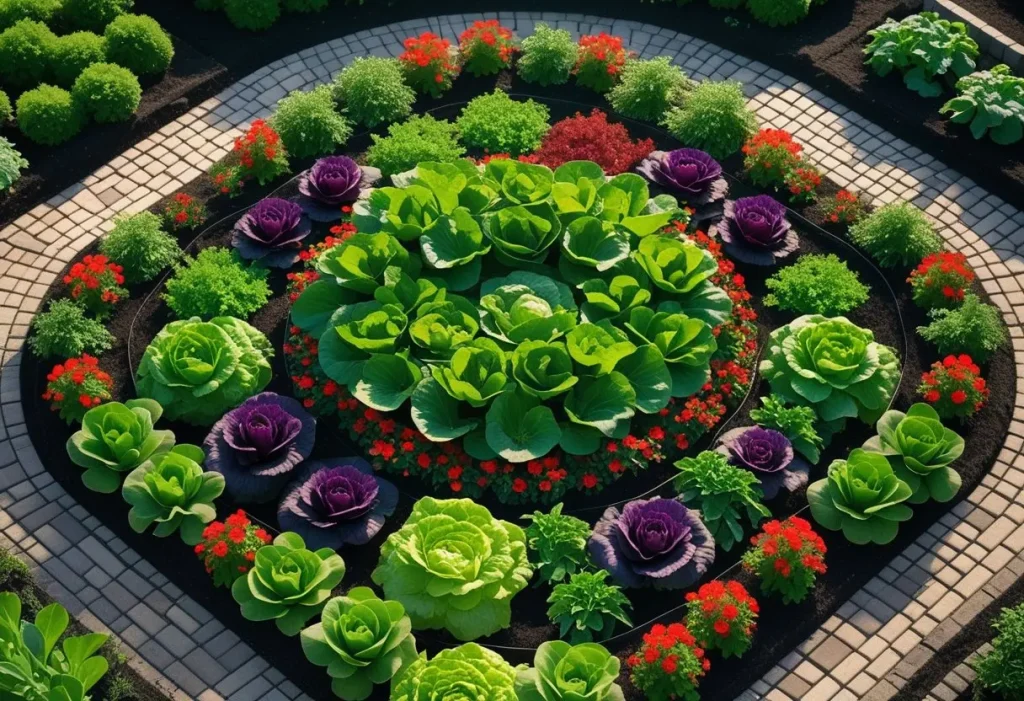
The Spiral or Circular Garden: A stunning focal point, this layout features a circular path radiating out from a center point, or a spiraling herb garden. It creates a natural flow and is excellent for highlighting a specimen tree (like a dwarf apple) or a piece of garden art in the center. This style feels more dynamic and whimsical.
The Parterre & Knot Garden: For the ultimate in formal elegance, adopt the intricate patterns of parterre gardens. Low, clipped hedges of boxwood, lavender, or germander create living “walls” that form ornate, interlocking patterns. The spaces within are filled with colorful lettuces, herbs, and flowers. It’s high-maintenance but breathtakingly beautiful.
The Modern Linear Potager: Clean lines and minimalist design define this style. Think long, rectangular raised beds made of sleek corten steel or clean cedar, arranged in parallel lines with wide gravel or decomposed granite paths. Planting is done in bold blocks of color and texture—a row of scarlet runner beans, a block of feathery dill, a stripe of blue-green kale.
The Free-Form Cottage Potager: This approach softens the edges. Beds may have curvaceous borders, and plants are allowed to gently self-seed and mingle. Tall hollyhocks and sunflowers form a backdrop, with sprawling squashes and nasturtiums spilling onto paths. It feels abundant, romantic, and effortlessly charming.
Choosing Your Style: Consider your home’s architecture. A modern home pairs well with linear designs, while a cottage or farmhouse calls for a four-square or free-form layout. Always start with a sun map of your space—most edible plants require a minimum of 6-8 hours of direct sun.
Foundation Decisions: Raised Beds vs. In-Ground Gardens
The choice between raised beds and in-ground planting is fundamental to your potager’s function and aesthetic.
Raised Beds: The Controlled Canvas
- Pros: Superior drainage, earlier soil warming in spring, easier on your back, definitive visual structure, and complete control over soil quality. They are ideal for areas with poor native soil or for gardeners with mobility concerns.
- Cons: Higher initial cost and construction effort. They require more frequent watering as they drain faster.
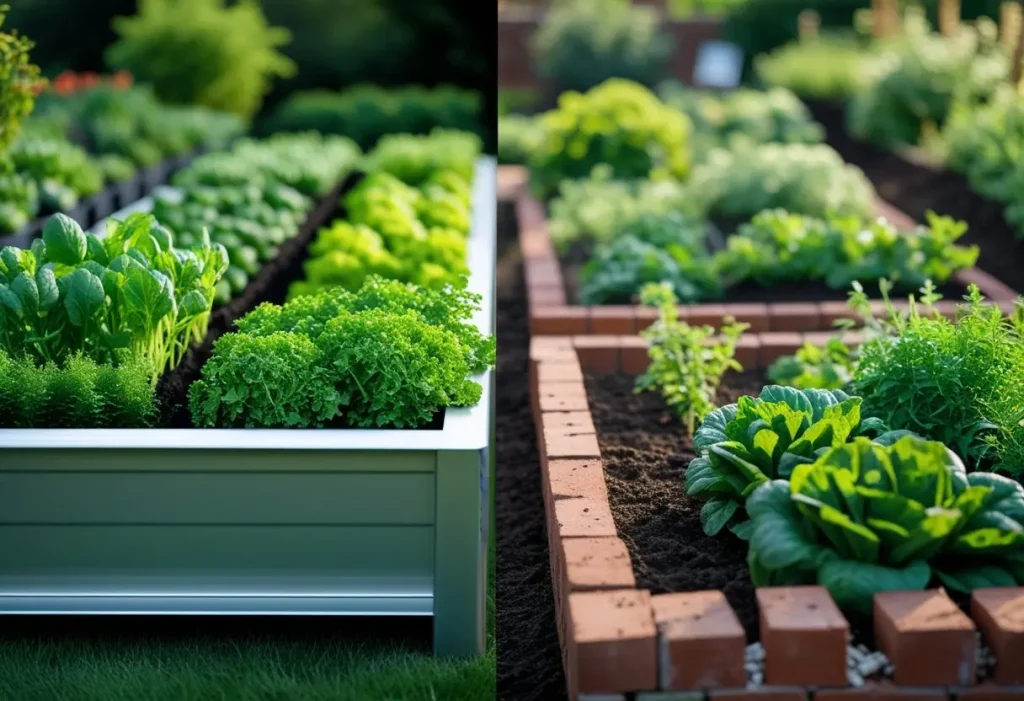
- Materials for Decor Harmony: Choose materials that complement your home’s exterior. Natural cedar or redwood offers warmth. Painted wooden boards can add a pop of color. Brick or stone provides timeless, permanent elegance. For a modern look, consider corten steel or composite lumber.
- Ideal Dimensions: A width of 3-4 feet allows you to reach the center from either side without stepping on the soil. A height of 12-24 inches is standard for comfort.
In-Ground Gardens: The Traditional Tapestry
- Pros: Lower startup cost, less watering frequency due to greater soil volume, and a more seamless, traditional look that blends into the landscape.
- Cons: More challenging soil amendment, poorer drainage in clay soils, harder on knees and back, and greater vulnerability to pests like groundhogs.
- Best Practice: If planting in-ground, define your beds clearly with edging—metal, brick, or even low hedges of herbs like rosemary or thyme. This maintains the crisp, intentional look vital to a potager.
Many successful potagers use a hybrid approach, combining several elegant raised beds for key crops with in-ground perennial sections for asparagus, rhubarb, or berry bushes.
Curating Your Living Palette: The Best Plants for a Potager
A potager is a living collage. Select plants for their multi-season interest, combining edibles with ornamentals. Here’s a curated list to inspire your planting plan.
Structural Plants & “Living Edges”:
These define the space and provide year-round form.
- Boxwood (Buxus): The classic low hedge for parterres. Slow-growing and evergreen.
- Lavender (Lavandula): Offers structure, stunning purple flowers, and fragrance. A magnet for pollinators.
- Rosemary: Can be trimmed into informal hedges. Evergreen, aromatic, and culinary.
- Globe Artichoke (Cynara scolymus): Architectural foliage with spectacular, edible flower heads.
- Rhubarb (Rheum rhabarbarum): Large, dramatic leaves on red or green stalks.
Vegetables with Ornamental Flair:
- Rainbow Chard: Stunning jewel-toned stems (yellow, pink, red) with deep green, crinkled leaves.
- Purple Cauliflower or Cabbage: Adds dramatic purple-blue hues.
- ‘Bull’s Blood’ Beet: Deep burgundy leaves perfect for edging or mass planting.
- Lacinato (Dinosaur) Kale: Blue-green, textured leaves with an elegant, towering form.
- Scarlet Runner Beans: Vibrant red flowers on fast-growing vines, perfect for trellises.
Essential Culinary Herbs:
Most herbs are naturally beautiful and often fragrant.
- Basil: Varieties like ‘Purple Ruffles’ or ‘Genovese’ for greenery and flavor.
- Thyme: Creeping varieties like ‘Elfin’ are perfect for softening path edges.
- Sage: Varieties like ‘Tricolor’ or ‘Purpurea’ offer variegated or purple leaves.
- Parsley: Curly parsley makes a beautiful, bright green filler plant.
- French Tarragon: Elegant, slender leaves for fine texture.
Companion Flowers:
These attract pollinators, repel pests, and provide cut flowers.
- Nasturtiums: Edible flowers (peppery taste) that cascade beautifully. Deters aphids.
- Calendula (Pot Marigold): Edible petals in sunny oranges and yellows. Healer for the soil and skin.
- Borage: Star-shaped blue flowers that bees adore. Cucumber-flavored leaves.
- French Marigolds (Tagetes patula): A workhorse for nematode control and adding cheerful color.
- Sweet Alyssum: A low-growing, honey-scented white carpet that attracts beneficial insects.
Fruiting Elements:
- Espaliered Apple or Pear Trees: Fruit trees trained flat against a wall or fence—the ultimate space-saving, decorative technique.
- Blueberry Bushes: Stunning scarlet fall foliage and delicious berries.
- Strawberries: Perfect as a perennial edging plant, especially alpine varieties.
A Year in Bloom: The Seasonal Potager Calendar
A true potager garden is never bare. Succession planting and thoughtful selection ensure year-round beauty and harvest.
Spring (Awakening & Sowing):
- Tasks: Prepare beds, sow cool-season crops, plant bare-root perennials.
- Plant Palette: Peas, lettuces (romaine, butterhead), radishes, spinach, kale, pansies, and spring bulbs like tulips (planted the previous fall) for early color.
Summer (Abundance & Structure):
- Tasks: Regular harvesting, watering, and pest monitoring. Sow quick crops for fall.
- Plant Palette: Tomatoes (trained vertically), peppers, eggplants, beans, zucchini, basil, dill, zinnias, sunflowers, and cosmos.
Autumn (Harvest & Transition):
- Tasks: Harvest summer crops, plant garlic and overwintering varieties, add compost, plant spring bulbs.
- Plant Palette: Swiss chard, beets, carrots, broccoli, cauliflower, ornamental kales and cabbages, asters, and sedum.
Winter (Rest & Framework):
- Tasks: Plan next year’s garden, order seeds, maintain tools, protect sensitive plants.
- Plant Palette: The garden’s “bones” shine—evergreen herbs, structural hedges, seed heads left for birds, and perhaps a cold frame with hardy greens like mâche or spinach.
The Small-Space Potager: Balconies, Patios, and Tiny Yards
You don’t need an acre. A potager garden is a design philosophy adaptable to any scale.
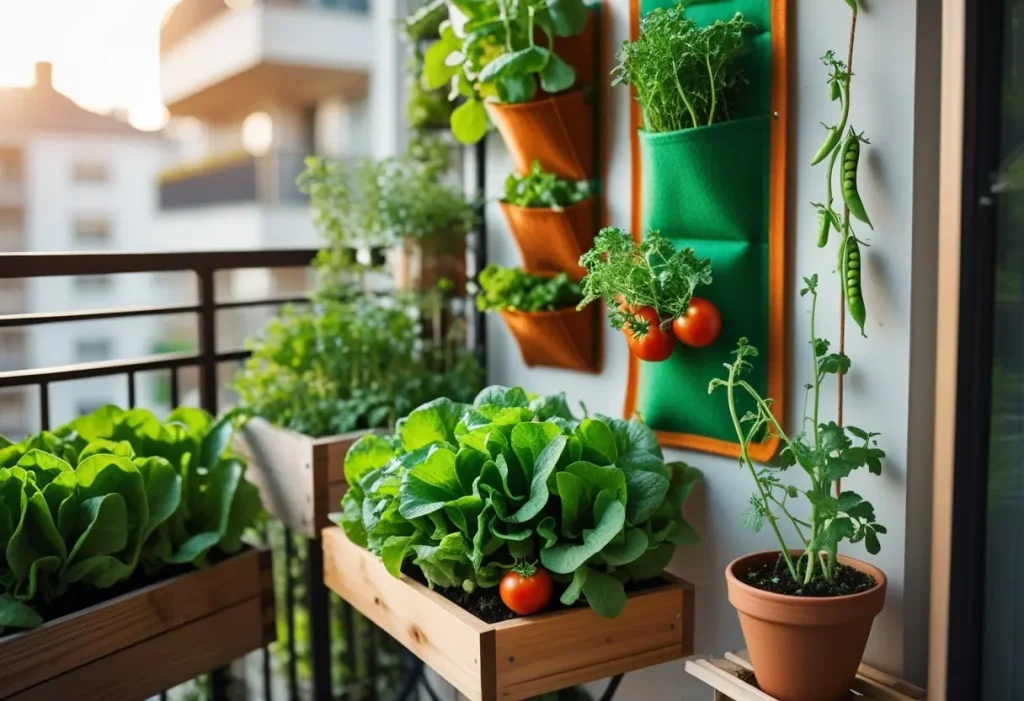
The Container Potager: Use a collection of pots of varying heights, materials, and sizes. Group them for impact. A large, elegant urn can hold a ‘Patio’ tomato, smaller terracotta pots can host herbs, and a long window box can be planted with lettuces and trailing nasturtiums. Uniform pot color (like all terracotta or glazed ceramic) creates cohesion.
The Vertical Potager: Utilize walls and railings. Install wall planters with herbs, use a trellis for pole beans or malabar spinach, or try a felt pocket system for strawberries and leafy greens. An obelisk in a large container creates a focal point for climbing peas.
The Windowsill Herb Garden: Even an apartment kitchen window can host a mini-potager. A long, shallow planter with drainage can contain a curated mix of thyme, oregano, chives, and parsley. Ensure at least 4-6 hours of light.
Key to Small Spaces: Be ruthless about plant selection. Choose dwarf or compact varieties (often labeled “bush,” “patio,” or “container”). Focus on high-value crops you love and that are expensive to buy fresh, like gourmet herbs, cherry tomatoes, and salad greens potager garden .
The Heart of the Garden: Soil, Compost, and Organic Feeding
Healthy soil is non-negotiable. In a potager, where plants are grown intensively and for aesthetics, soil fertility is paramount.
1. Start with a Soil Test: Contact your local cooperative extension service for a test kit. This will tell you your soil’s pH and nutrient levels, allowing you to amend precisely. Most vegetables prefer a pH between 6.0 and 7.0 potager garden .
2. Building Your Soil Foundation:
- For Raised Beds: Use the “perfect soil” recipe: 1/3 blended topsoil, 1/3 high-quality compost, and 1/3 aeration material (like coarse horticultural sand, perlite, or coconut coir) potager garden .
- For In-Ground Beds: Work in 3-4 inches of finished compost and well-rotted manure into the top 6-8 inches of soil. For clay soil, also add gypsum and coarse organic matter; for sandy soil, add compost and peat moss to increase water retention potager garden .
3. The Compost Cycle: A compost bin or tumbler is the engine of a sustainable potager. It transforms kitchen scraps (fruit/veggie peels, coffee grounds) and garden waste into black gold. Aim for a balance of “greens” (nitrogen-rich materials) and “browns” (carbon-rich materials like dried leaves, cardboard). Turn regularly to speed decomposition. Explore our guide on creating a beautiful, functional compost system that fits your backyard aesthetic.
4. Ongoing Feeding: Top-dress beds with 1-2 inches of compost each spring and fall. During the growing season, use organic, slow-release fertilizers like fish emulsion, seaweed extract, or alfalfa meal to keep plants vigorous and productive without harsh chemicals potager garden .
Nurturing Your Creation: Irrigation, Maintenance, and Pest Management
A little regular care prevents big problems and keeps your potager looking pristine.
Smart Irrigation: Consistent watering is key. Drip irrigation or soaker hoses are ideal for potagers. They deliver water directly to the root zone, conserving water, reducing leaf diseases, and keeping paths dry. Connect to a simple timer for effortless care. For container potagers, self-watering pots or a drip system with micro-emitters are game-changers potager garden .
The Maintenance Rhythm:
- Daily: Quick harvest, check for pests, and enjoy!
- Weekly: Deep watering (if not on drip), light weeding, deadheading flowers, and checking plant supports.
- Seasonally: Major planting, fertilizing, mulching, and soil amendment potager garden .
Eco-Friendly Pest & Disease Management:
The diversity of a potager itself is a first line of defense. Encourage beneficial insects by planting flowers. Practice these principles:
- Hand-Picking: Regularly inspect and remove pests like cabbage worms or beetles.
- Barriers: Use floating row covers to protect crops from insects and birds.
- Natural Sprays: Use a blast of water for aphids or apply neem oil or insecticidal soap for heavier infestations.
- Remove Diseased Plants: Immediately remove and dispose of (do not compost) plants with blight or mildew to prevent spread.
- Crop Rotation: Even in small spaces, avoid planting the same family (e.g., tomatoes/peppers/eggplants) in the same spot year after year potager garden .
Learning from Mistakes: Common Potager Pitfalls and Solutions
- Mistake 1: Starting too big. Solution: Begin with 2-3 manageable beds or containers. Expand as your confidence grows.
- Mistake 2: Neglecting paths. Solution: Install permanent, wide paths (at least 2 feet) with a durable material like wood chips, gravel, or flagstone. This defines the garden and keeps you out of the mud potager garden .
- Mistake 3: Ignoring height and scale. Solution: Use the “thriller, filler, spiller” concept even in vegetable beds. Place tall elements (obelisks, sunflowers) at the back or center, mid-height plants (peppers, kale) in the middle, and trailing plants (nasturtiums, sweet potato vine) at the edges potager garden .
- Mistake 4: Forgetting about harvest access. Solution: Leave space between plants for easy picking. Don’t overcrowd—follow seed packet spacing for health and productivity potager garden .
- Mistake 5: Leting aesthetics override plant needs. Solution: Group plants with similar sun and water requirements. A sun-loving rosemary will not thrive next to a shade-loving lettuce potager garden .
Modern Twists and Budget-Conscious Design
The potager tradition is alive and adaptable. A modern potager might use sleek IKEA planters, repurposed industrial troughs, or geometric concrete planters. The planting palette might focus on monochromatic schemes (all white and green) or bold contrasts (purple kale against orange marigolds) potager garden .
Budget-Friendly Tips:
- Start from Seed: This is the most cost-effective way to grow a wide variety of plants.
- Propagate: Learn to divide perennial herbs like chives, oregano, and mint. Take cuttings of rosemary and sage.
- Source Materials Creatively: Look for reclaimed bricks, stones, or lumber. Pallet wood (ensure it’s heat-treated, not chemically treated) can build simple raised beds.
- Make Your Own Compost: It’s free soil amendment.
- Swap Seeds & Plants: Connect with local gardening groups or neighbors to diversify your garden without cost.
Your Step-by-Step Beginner’s Guide to a First-Year Potager
Week 1-2: Planning & Design
- Observe your space’s sun patterns.
- Sketch a simple layout on graph paper. Start with one 4’x8’ bed or a few large containers.
- Order seeds and source materials.
Week 3-4: Construction & Soil
- Build or position your beds/containers.
- Fill with your soil mix. Water thoroughly to settle.
Week 5-6: Early Planting
- After the last frost date, plant cool-season seeds and transplants: lettuce, radishes, carrots, kale, and pansies for color.
- Install a simple drip irrigation system or make a watering schedule.
Week 7-12: The Main Event
- Once soil is warm, plant tomatoes, peppers, basil, and beans.
- Sow successive rows of lettuce every two weeks.
- Add a layer of straw or shredded bark mulch to suppress weeds.
Ongoing: The Joy of Care
- Harvest regularly.
- Water deeply at the base of plants.
- Sit back with a cup of tea and admire your living, growing work of art.
Expert Insights for a Thriving Potager
- Succession is Key: The moment one crop finishes (e.g., spring peas), have a seedling ready to plug in (e.g., bush beans). This keeps the space full and productive.
- Embrace Imperfection: Some insect holes and irregularities are signs of a healthy ecosystem. Don’t strive for sterile perfection.
- Grow What You Love to Eat & See: There’s no rule saying you must grow zucchini if you don’t like it. Grow beautiful herbs you’ll use and flowers that make you smile.
- Integrate Decor Elements: A beautiful watering can, a vintage stool, a weathervane, or a simple iron arch adds personality and reinforces the “garden as a room” feel. Discover more ideas for outdoor decor that tells a story.
Frequently Asked Questions About Potager Gardens
What is the difference between a potager garden and a regular vegetable garden?
A traditional vegetable garden prioritizes maximum food production in rows, often with aesthetics as an afterthought. A potager garden is designed with equal emphasis on beauty and bounty, using formal or informal designs, mixing ornamentals with edibles, and serving as an aesthetic extension of the home.
How much time does maintaining a potager garden require?
A well-designed potager with drip irrigation and mulch requires less time than you might think. Plan for 30-60 minutes, 2-3 times per week for harvesting, light weeding, and observation. Larger gardens or peak season may require more. The key is consistent, small efforts rather than overwhelming weekend marathons potager garden .
Can I create a potager garden in a shady area?
Most traditional potager edibles (tomatoes, peppers, squash) require full sun (6-8 hours). However, a partial shade potager is possible. Focus on crops that tolerate shade: leafy greens (lettuce, spinach, kale), herbs (mint, chives, parsley), and edible flowers like violas. Use bright foliage plants like variegated hostas (their shoots are edible) and ferns for ornamentation potager garden .
What are the best companion plants for a potager?
Companion planting is central to the potager’s health. Classic pairs include: Tomatoes with basil and marigolds; carrots with rosemary and sage; cucumbers with nasturtiums and dill; and beans with potatoes and petunias. The goal is to attract beneficial insects, deter pests, and enhance growth potager garden .
How do I keep my potager garden looking good in winter?
Focus on the “bones.” Evergreen herbs (rosemary, thyme, sage), structural elements (raised bed frames, paths, arbors), and decorative touches (urns, benches) provide interest. Plant ornamental grasses, leave some seed heads for birds, and consider adding cold-hardy plants like winter cabbages, kale, and decorative grasses potager garden .
Creating a potager garden is an act of hopeful and beautiful pragmatism. It is a statement that our homes extend into the land, that beauty is edible, and that the most satisfying spaces are those that engage all our senses. It connects us to the rhythms of the earth while providing a deeply personal canvas for creativity potager garden .
Whether you harvest a single, perfect head of lettuce from a balcony pot or spend an afternoon meandering through a quarter-acre of geometrically arranged abundance, you are participating in a timeless tradition of artful cultivation. Start small, plant what you love, and let your garden—and your life—grow from there. Your cozy nest is about to get a whole lot more delicious, beautiful, and alive potager garden .