There’s a unique, grounding presence a wood headboard brings to a bedroom. It’s more than just a backdrop for your bed; it’s a statement of style, a touch of nature, and a foundation for your personal sanctuary. In 2025, the trend is moving away from cold, impersonal spaces and towards warm, organic, and textured interiors. A wood headboard is at the very heart of this movement, offering unparalleled versatility—from sleek, modern minimalism to rugged, rustic charm. This comprehensive guide will explore every facet of choosing, styling, and loving your wood headboard, ensuring your bedroom becomes the cozy nest you’ve always dreamed of.
Why a Wood Headboard is the Centerpiece of Modern Bedroom Design
A bedroom is a personal retreat, and every element within it should contribute to a sense of peace and comfort. A wood headboard does this masterfully by introducing texture, warmth, and a timeless architectural element. Unlike upholstered or metal options, wood has an innate organic quality that connects us to nature, promoting relaxation and calm. The current interior design landscape heavily favors biophilic design—the concept of incorporating natural elements into our living spaces. A wooden headboard is one of the most effective ways to achieve this.
Beyond aesthetics, a wood headboard is a profoundly practical choice. It is incredibly durable, often lasting for decades with proper care. It acts as a protective barrier for your wall, prevents pillows from slipping into the gap, and provides excellent support for sitting up in bed to read or watch TV. Furthermore, the range of styles is virtually limitless. Whether your home decor leans towards mid-century modern, farmhouse rustic, Scandinavian simplicity, or industrial loft, there is a wood headboard design that will seamlessly integrate and elevate your existing look. Investing in a quality wood headboard isn’t just about buying a piece of furniture; it’s about investing in the anchor piece that will define your bedroom’s character for years to come.
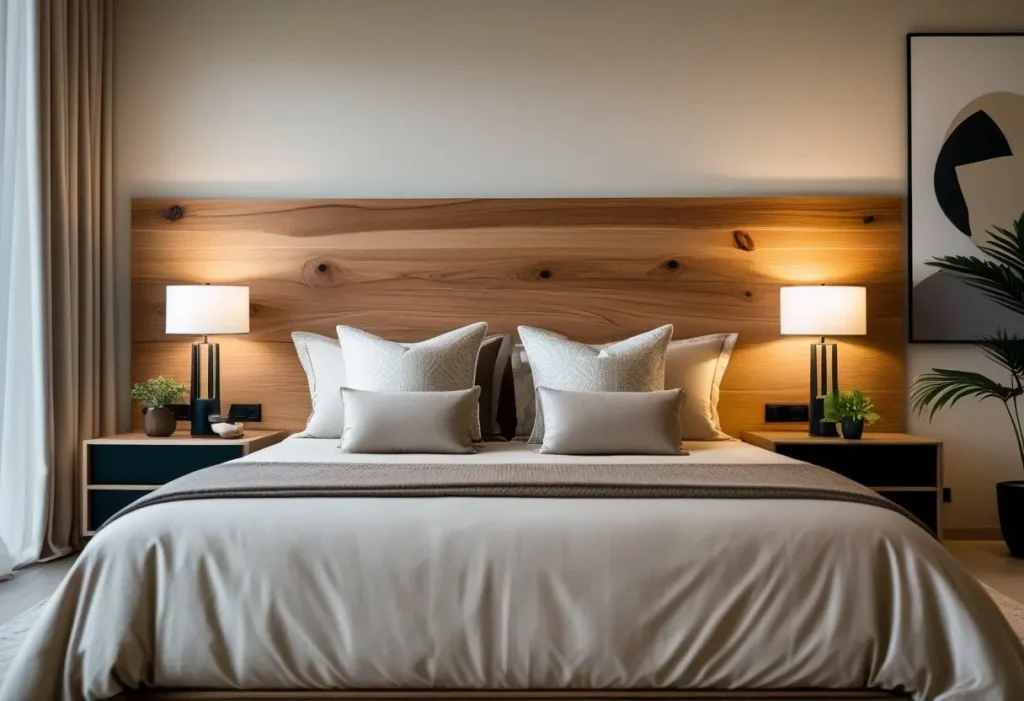
Exploring the Spectrum: Modern and Rustic Wood Headboard Designs
Choosing the style of your wood headboard is the first and most exciting step. The design you select will set the tone for the entire room. Let’s break down the most popular and trending styles to help you find your perfect match.
Sleek and Sophisticated: Modern Wooden Headboard Ideas
Modern design prioritizes clean lines, minimal ornamentation, and a sense of spaciousness. A modern wood headboard often features simple geometric shapes, smooth finishes, and light or dark wood tones.
- The Floating Headboard: This design attaches directly to the wall, creating a “floating” effect that makes the room feel larger and airier. It’s perfect for small bedrooms or those aiming for a strict minimalist look. Think a wide panel of walnut or light oak with a matte finish.
- Slatted Wood Headboards: Inspired by Japanese and Scandinavian design, slatted headboards consist of vertical or horizontal wood slats. This design adds texture and visual interest without heaviness, allowing for light and shadow to play across the surface. Teak and oak are excellent wood choices for this style.
- Geometric and Asymmetrical Designs: For those who want to make a bold statement, geometric patterns or asymmetrical shapes are a fantastic choice. A headboard with a chevron pattern, hexagonal inlays, or an off-center design becomes an instant focal point and a piece of art.
Charm and Character: Rustic Wood Headboard Designs
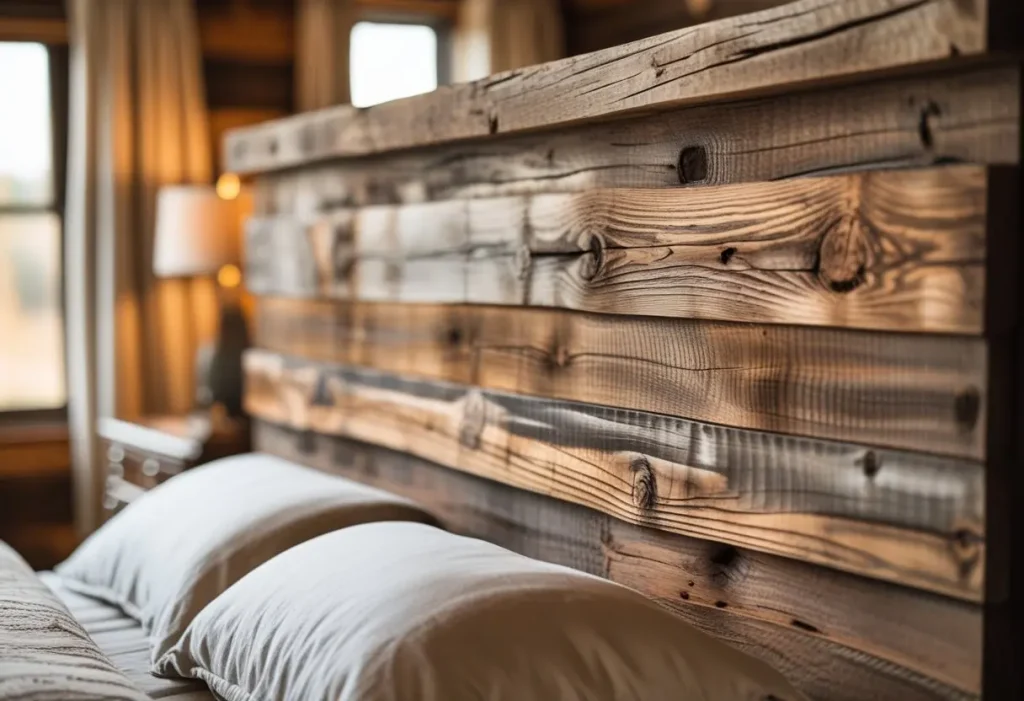
If your goal is to create a cozy, inviting, and lived-in feel, a rustic wood headboard is the way to go. This style celebrates the raw, natural beauty of wood, often showcasing knots, grain variations, and weathered textures.
- Reclaimed Wood Headboards: Perhaps the pinnacle of rustic charm, reclaimed wood headboards are crafted from old barn wood, fencing, or industrial beams. Each piece tells a story, with unique nail holes, saw marks, and a patina that can’t be replicated. This is an eco-friendly choice that adds immense character.
- Live Edge Headboards: For a truly organic look, a live edge headboard preserves the natural contour of the tree. A slab of walnut or maple with its natural edge intact brings a sculptural, one-of-a-kind element to the bedroom. Pair it with simple, modern bedding to let the wood shine.
- Farmhouse and Cottage Styles: These often feature paneled designs, such as shaker-style panels, or simple plank constructions. They are typically painted in soft, muted colors like sage green, creamy white, or light gray, though a natural stained finish is also beautiful.
Choosing Your Timber: A Guide to the Best Wood Types for Headboards
The type of wood you choose for your wood headboard impacts its appearance, durability, cost, and even the feeling it evokes. Understanding the characteristics of different woods is key to making an informed decision.
The Classics: Solid Wood Headboards
Solid wood is the gold standard for furniture, prized for its strength and longevity. A solid wood headboard can be sanded and refinished multiple times over its life, allowing you to change its stain color as your style evolves.
- Oak: A timeless and incredibly durable choice. Red oak has a prominent grain and warm tones, while white oak has a smoother, more subtle grain and cooler, grayish-brown tones. It’s a workhorse that suits both traditional and modern styles.
- Walnut: Known for its rich, dark brown color and straight, fine grain. Walnut is a premium hardwood that exudes luxury and sophistication. It’s strong and stable, making it perfect for heirloom-quality pieces.
- Maple: A hard, dense wood with a fine, uniform texture. Its light, creamy color makes it ideal for modern and contemporary spaces. It takes stain very evenly, though its natural light look is also very popular.
- Cherry: Cherry wood is beloved for its rich, reddish-brown hue that deepens beautifully with age and exposure to light. It has a smooth grain and a timeless, traditional appeal.
The Modern Choice: Engineered Wood for Headboards
It’s important to understand the options beyond solid wood. Engineered wood products like plywood and MDF (Medium-Density Fiberboard) are common in furniture manufacturing.
- Plywood: Made from thin layers of wood veneer glued together, plywood is strong, stable, and resistant to cracking and warping. High-quality plywood with a nice veneer (like birch or oak) can be a great, more affordable option for a modern wood headboard.
- MDF: This is an engineered wood product made from broken-down wood fibers and resin. It is very smooth, uniform, and has no grain, making it ideal for painted headboards. While not as strong as solid wood or plywood, it is a cost-effective choice for achieving specific painted looks.
Solid Wood Headboards vs Engineered Wood: The choice often comes down to budget, desired aesthetic, and priorities. Solid wood offers unmatched durability and the beauty of natural grain, but it is more expensive and can be susceptible to expansion/contraction with humidity changes. Engineered wood is more budget-friendly, very stable, and perfect for smooth, painted finishes, but it cannot be refinished as easily and may not have the same long-term value.
Craft Your Own: DIY Wood Headboard Projects for Every Skill Level
Building your own wood headboard is an incredibly rewarding project that allows for complete customization and can save you a significant amount of money. You can create a piece that fits your exact bed size, style preferences, and functional needs.
A Simple Plank Headboard for Beginners
This is a perfect first project that yields a beautiful, rustic result.
- Materials Needed: Several 1×6 or 1×8 boards of your chosen wood (e.g., pine for affordability), a 1×4 for the cleat, wood glue, sandpaper, wood stain or paint, and a few tools.
- Basic Steps:
- Measure and Cut: Measure the width of your bed. Cut your planks to the desired height of your headboard (a common height is 44-48 inches above the top of the mattress).
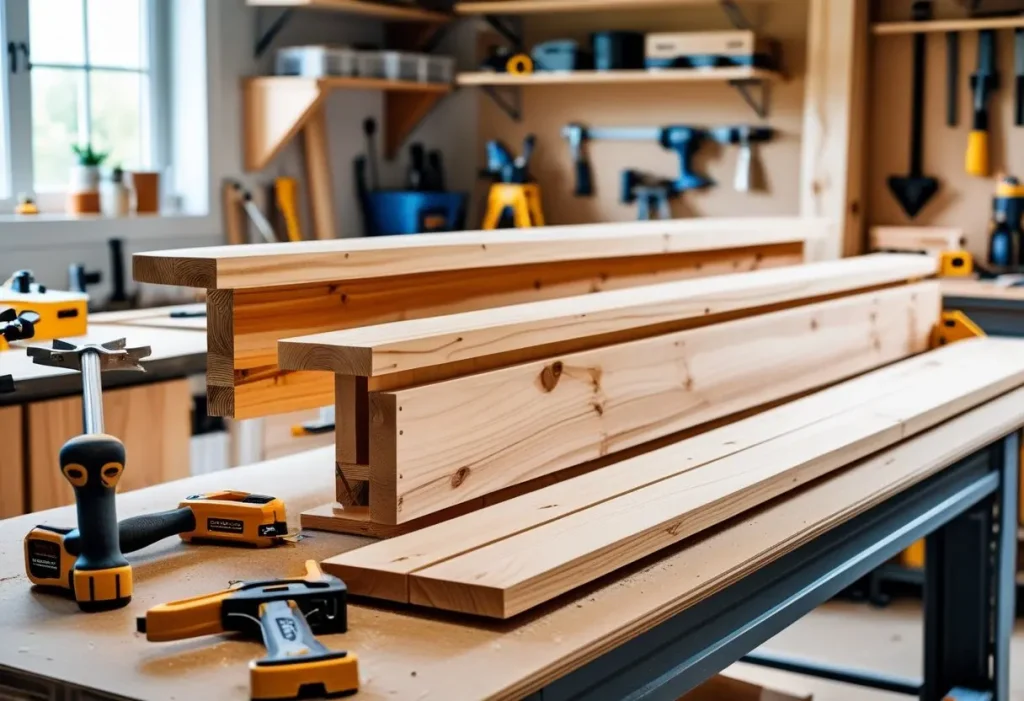
- Assemble: Lay the planks face-down on a flat surface. Use a couple of horizontal 1×4 boards as a cleat or backing to hold the planks together. Attach them with wood glue and screws driven from the back.
- Finish: Sand the entire piece thoroughly, starting with a coarse grit and moving to a fine grit for a smooth finish. Wipe away dust and apply your chosen stain or paint. A clear polyurethane topcoat will protect the finish.
- Mount: Attach the headboard to the wall using a French cleat system or directly into wall studs using the horizontal cleat.
An Intermediate Project: A Slatted Wood Headboard
This project adds more visual interest and is very on-trend.
- Materials Needed: Multiple 1×3 or 1×4 boards for the slats, a frame made from 1×6 boards, wood glue, pocket-hole jig or screws, sandpaper, and finish.
- Basic Steps:
- Build the Frame: Construct a simple rectangular frame from your 1×6 boards that matches the width and height of your desired headboard.
- Attach the Slats: Space your 1×3 or 1×4 slats evenly across the frame. You can use a spacer block to ensure consistent gaps. Attach them from the back of the frame or use a pocket-hole jig for a clean, screw-free front.
- Finish and Mount: Follow the same sanding and finishing process as the plank headboard. Mounting is typically done with a French cleat attached to the back of the frame.
Style and Substance: Mastering Bedroom Styling with Your Wood Headboard
A wood headboard is a versatile anchor, but the magic happens when you style the rest of the bedroom around it. Here’s how to create a cohesive and stunning look.
Choosing the Right Wall Color
The wall behind your headboard is its canvas. Your color choice can either make the headboard pop or create a serene, monochromatic feel.
- For a Contrasting Look: Paint the wall a contrasting color to make your wood headboard stand out. A dark walnut headboard against a light gray or creamy white wall is classic. A light oak headboard against a deep navy or forest green wall is dramatic and modern.
- For a Monochromatic Look: To create a calm, unified space, choose a wall color that is similar in tone to your headboard. For example, a white-washed oak headboard against a light beige or off-white wall.
- For a Bold Accent: Don’t be afraid to use wallpaper or a bold paint color on the accent wall behind the bed. A wood headboard can ground a busy pattern and add a necessary organic element.
Coordinating Bedding and Textiles
Your bedding should complement, not compete with, your headboard.
- With a Dark Wood Headboard: Crisp white linens, light gray sheets, or bedding with subtle textures in neutral tones work beautifully to create contrast and brightness.
- With a Light Wood Headboard: You have more flexibility. You can go with airy whites and neutrals for a Scandinavian feel, or introduce color with pastel blues, greens, or even deeper jewel tones.
- Textural Play: Incorporate different textures through a chunky knit throw, linen duvet covers, or velvet pillows. This adds layers of coziness that pair perfectly with the natural texture of the wood.
Matching with Other Bedroom Furniture
Your wood headboard doesn’t have to perfectly match your nightstands or dresser. In fact, a curated, non-matching look is often more interesting.
- Tonal Matching: Use woods of the same tone but different species. For example, pair a walnut headboard with mid-century modern nightstands in a similar dark wood tone.
- Intentional Contrast: Mix a light wood headboard with dark-stained nightstands, or vice versa. This creates visual depth and interest.
- Mixed Materials: Don’t feel locked into wood. A wood headboard pairs wonderfully with metal (e.g., black metal nightstand legs), glass, or painted furniture.
Form Meets Function: The Practicality of a Wood Headboard with Storage
In today’s world, where bedroom space is often at a premium, a wood headboard can be more than just decorative; it can be highly functional. A wood headboard with storage solves multiple problems at once, providing style, comfort, and organization.
Built-In Shelving and Cubes
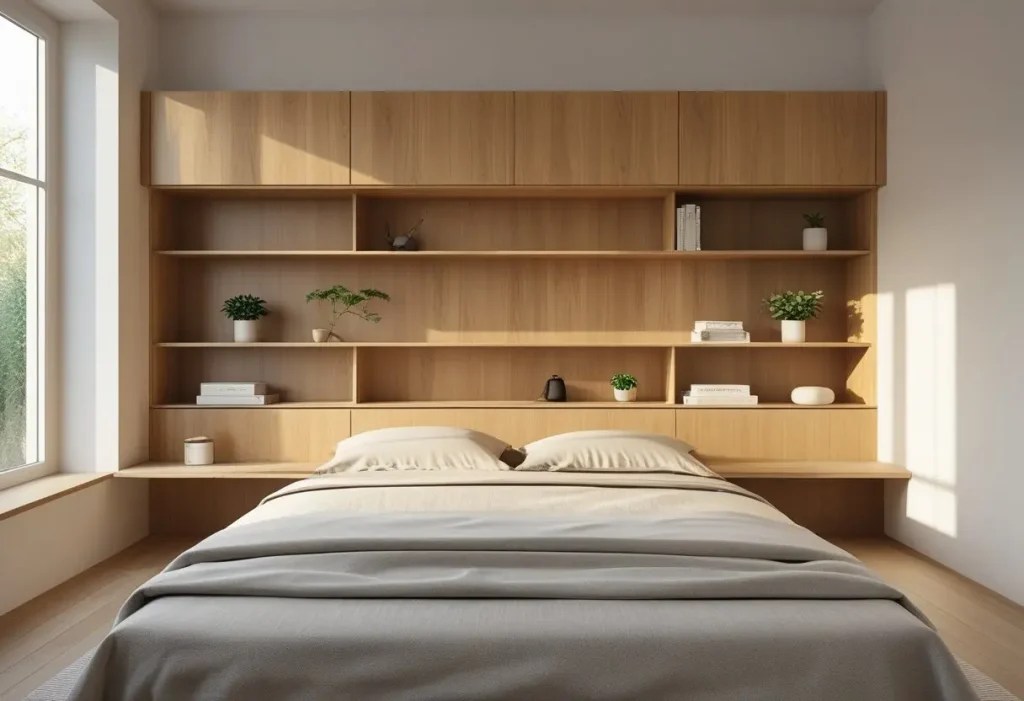
This is one of the most popular storage solutions. Open shelving built into the headboard provides a perfect spot for books, a reading glass case, an alarm clock, a small plant, or decorative objects. It keeps essentials within arm’s reach, eliminating the need for cluttered nightstands. This design is ideal for modern and minimalist bedrooms, as the shelves themselves can become a design feature.
Integrated Nightstands and Ledges
Some headboard designs incorporate a wide, projecting ledge that runs the entire width of the bed or extends out on either side to form small, attached nightstand surfaces. This streamlined look is perfect for small rooms where floor space is limited. You can place a lamp, your phone, and a book on the ledge, keeping your floor clear and clean.
Hidden Compartments and Side Pockets
For a cleaner look, some designers incorporate discreet storage into the wood headboard. This might include a lift-up lid at the top for storing less frequently used items, or narrow pockets on the sides for stashing magazines, tablets, or remote controls. This approach maintains the sleek appearance of a solid headboard while adding a layer of clever functionality.
Preserving the Beauty: How to Clean and Maintain Your Wood Headboard
A well-maintained wood headboard will look beautiful for a lifetime. The care routine depends on the finish (e.g., oil, lacquer, wax, paint) but some general principles apply to all.
Regular Dusting and Cleaning
Dust is the enemy of wood finishes, as it can be abrasive and dull the surface over time.
- Frequency: Dust your wood headboard at least once a week.
- Method: Use a soft, dry, lint-free microfiber cloth. For detailed carvings or grooves, a soft-bristled brush (like a clean paintbrush) can be useful. For occasional deeper cleaning, slightly dampen the microfiber cloth with water or a pH-neutral wood cleaner. Never use harsh chemicals, ammonia, or abrasive cleaners, as they can strip the finish. Always wipe dry immediately with another clean cloth.
Addressing Spills and Stains
Accidents happen. The key is to act quickly.
- Liquid Spills: Blot (don’t wipe) the spill immediately with a soft, absorbent cloth. Wiping can spread the liquid. Once most of the liquid is absorbed, follow up with a slightly damp cloth and then a dry one.
- Sticky Residue or Stains: For sticky spots, use a small amount of a mild soap solution (like dish soap diluted in water) on a damp cloth. Wipe the area and dry immediately. For more stubborn stains, a dedicated wood cleaner is a safer bet than homemade solutions.
Long-Term Protection and Care
- Avoid Direct Sunlight: Prolonged exposure to direct sunlight can cause the wood to fade and the finish to deteriorate. Use curtains or blinds during the brightest parts of the day to protect your headboard.
- Control Humidity: Wood is a natural material that expands and contracts with changes in humidity. Use a humidifier in the winter and a dehumidifier in the summer to maintain a consistent humidity level (around 40-45%). This prevents cracking and warping.
- Refinishing: Over many years, a solid wood headboard may need to be refinished. This involves sanding down the old finish and applying a new stain and/or protective topcoat. This is a more advanced project but can completely revitalize an old piece.
Frequently Asked Questions About Wood Headboards
1. What type of wood is best for a headboard?
The “best” wood depends on your budget, style, and needs. For durability and a timeless look, solid oak or walnut are excellent choices. For a more affordable and stable option for painted finishes, maple or high-quality plywood with a nice veneer are great. For a rustic, character-filled piece, reclaimed wood is unmatched.
2. How do you clean a wooden headboard?
Regularly dust with a dry microfiber cloth. For occasional cleaning, use a cloth dampened with water or a pH-neutral wood cleaner, then immediately dry with a separate cloth. Avoid harsh chemicals and abrasive pads.
3. Are wood headboards still in style in 2025?
Absolutely. In fact, they are more popular than ever. The 2025 trend is heavily focused on warm, organic, and natural materials. A wood headboard is a classic piece that never truly goes out of style, but current designs favor clean lines, natural grains, and sustainable materials like reclaimed wood.
4. What is the most affordable type of wood headboard?
The most affordable options are typically DIY headboards made from pine or plywood, or ready-made headboards using engineered wood like MDF. Shopping for custom handmade headboards from local artisans can also be competitive with high-end retail stores.
5. How do I make a DIY wood headboard at home?
Start with a simple design like a plank headboard. You’ll need wood planks, a cleat for assembly, sandpaper, a finish (stain/paint), and basic tools like a saw and a drill. Our DIY section above provides a step-by-step guide to get you started.
6. What color walls go best with a wood headboard?
Neutral walls (white, beige, light gray) are always a safe and beautiful choice. For drama, use a dark accent wall (navy, charcoal, forest green). For a calm, monochromatic look, match the wall tone to the wood tone.
7. How to match a wood headboard with other bedroom furniture?
You don’t need a perfect match. Aim for a cohesive look by matching tones (e.g., all light woods or all dark woods) or by intentionally mixing materials, like a wood headboard with metal or painted furniture.
8. Are solid wood headboards durable?
Yes, solid wood headboards are extremely durable and can last for decades, even generations. They can be refinished if they get scratched or if you want to change their color, which adds to their long-term value.
9. Which finish is best for wooden headboards — matte or glossy?
This is a matter of personal preference and style. Matte and satin finishes are currently very popular as they highlight the wood’s natural texture without being too shiny. Glossy finishes are more traditional and formal, but can show fingerprints and scratches more easily.
10. How to protect a wood headboard from scratches?
Use felt pads on anything that might come into contact with the headboard. Regular dusting with a soft cloth is key, as dust particles can be abrasive. Applying a durable topcoat like polyurethane during the finishing process will also provide a hard, protective layer.
Conclusion: Find Your Perfect Wood Headboard at CozyNestDecor.pro
A wood headboard is far more than a functional piece of bedroom furniture. It is the foundational element that sets the style, mood, and character of your entire sleep sanctuary. From the rugged appeal of a reclaimed rustic wood headboard to the sleek lines of a modern wooden headboard, the options are as diverse as your personal taste. Whether you embark on a fulfilling DIY wood headboard project or select a stunning custom handmade headboard, you are investing in a piece that brings warmth, texture, and timeless beauty into your home.
At CozyNestDecor.pro, we are passionate about helping you create a bedroom that is not just decorated, but truly loved. We offer a wealth of inspiration, from bedroom design inspirations to practical DIY projects that go beyond the standard ideas you’ll find elsewhere. We encourage you to explore our curated collections and insightful guides to discover how the perfect wood headboard can transform your space into the cozy nest you deserve.
Ready to transform your bedroom? Browse our extensive collection of Wood Headboard ideas and guides right here on CozyNestDecor.pro!
Internal Linking:
- For more inspiration, check out our page on Home Decor Ideas.
- Explore countless Bedroom Design Inspirations to complete your look.
- Feeling crafty? Our DIY Projects section has something for everyone.
- See how your headboard can complement the latest Wall Decor Trends.
External Linking:
- For a deep dive into wood types, see this authoritative guide from Architectural Digest.
- Explore millions of real-home photos for inspiration on Houzz.